
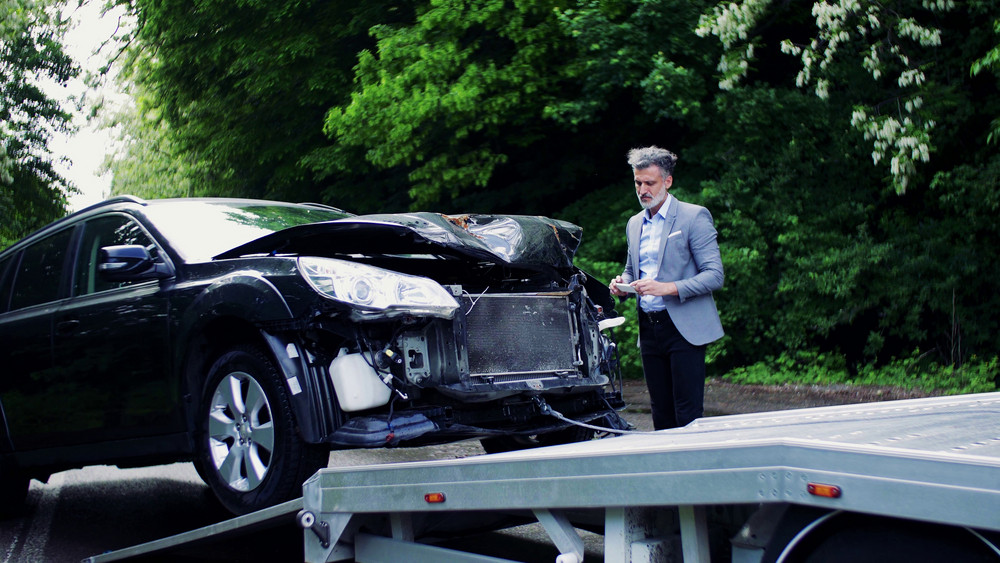
Experiencing a car accident can be a traumatic event, and discovering that your vehicle has been totaled adds another layer of complexity. Many drivers may find themselves unsure of the steps to take or the implications of such a determination by their insurance company. This article aims to provide a detailed guide on what to expect if your vehicle is declared a total loss, alongside exploring the broader impact within the automotive sector.
Understanding What It Means When Your Vehicle is Totaled
When a vehicle is described as “totaled,” it means that the cost of repair exceeds the car’s value. Each state and insurance company sets its own threshold percentage for determining a total loss, with many falling around the 70% to 80% mark. This equation is a crucial factor for insurance companies when they evaluate the feasibility of repairing a damaged vehicle.
The aftermath of a totaled vehicle involves negotiations with insurance companies, often requiring patience and documentation, and in some cases, an appraisal. Navigating these complexities can be challenging; thus, understanding policy details and your vehicle’s market value play pivotal roles. Being informed can help smoothen discussions about the compensation value offered by the insurer.
If your vehicle is towed immediately after an accident, know that this is a regular occurrence. Towing companies in the U.S. handle the massive task of transporting approximately 55,000 vehicles daily across the nation. This frequency signifies the prevalence of towing incidents, which often include cars declared as total losses.
Exploring Options After Your Vehicle is Totaled
Once your vehicle is deemed a total loss and you’ve settled with your insurance, you face new decisions regarding transportation. Many opt to use the settlement to purchase another vehicle, while others might explore leasing or utilizing public means if available. It’s important to consider your lifestyle and commuting needs when deciding on the next steps.
If you decide to replace your totaled auto, think about the ecological implications. A notable aspect of vehicle disposal is that about 86% of a car’s material content is recyclable, according to the Automotive Recyclers Association. This promising statistic underscores the automotive industry’s ongoing efforts toward environmental sustainability.
In urban areas, some individuals might adapt to not owning a vehicle by turning to public transportation systems or car-sharing services. Others may collaborate with local carpool groups to share rides, particularly if such alternatives fit their lifestyle. Considering these options could result in reduced personal expenses and carbon footprint.
Broader Impact of Totaled Vehicles on Society
The high number of totaled vehicles reflects the societal reliance on automobiles while emphasizing road safety concerns. According to a Gallup poll, a significant 83% of U.S. adults operate a vehicle several times weekly. Such dependence on autos illustrates why total losses can have extensive economic and personal ramifications.
Accidents leading to vehicles being totaled often influence insurance premiums and policy regulations, as insurers seek to mitigate risks. These dynamics affect every driver’s experience, from increased premium rates to revised policies emphasizing safety features and driver education. Awareness of these shifts can help drivers navigate changes in the insurance landscape effectively.
Society’s reliance on cars also stresses the need for continuous advancements in auto safety technology. The pursuit of safer vehicle designs and enhancements in road infrastructure are ongoing aspirations. Emphasizing driver education on safe driving habits further contributes to reducing the frequency and severity of accidents.
Facing the pronouncement that a vehicle is totaled can be overwhelming, yet comprehending the processes and options available is vital. Whether navigating insurance negotiations, considering the environmental impact of car recycling, or coping with changes in transportation habits, having a deep understanding is beneficial. Each step reflects broader trends in the automotive industry and societal reliance on vehicles.
As automotive technology continues to evolve, staying informed about transportation choices and insurance practices becomes increasingly essential. The ongoing shift toward sustainable and innovative solutions ensures that both personal and global needs are met. By being proactive, drivers can turn the challenge of a totaled vehicle into a gateway for positive change.
Ultimately, recognizing the communal responsibility in vehicle disposal and adaptation to new transportation methods parallels the individual journey when dealing with a totaled auto. Society as a whole can benefit from enhanced safety measures and ecological thinking. Whether dealing with the immediate aftermath of an accident or planning long-term transportation, the interplay between individual choices and industry advances shapes future pathways.

