
Key Takeaways
- Trust and loyalty are the foundation of strong buyer relationships.
- The first contact shapes the future of your professional rapport.
- Listening and tailored value delivery differentiate top-performing salespeople.
- Consistent communication and technology enhance engagement and efficiency.
- Post-sale connection transforms transactions into lasting partnerships.
Understanding the Importance of Buyer Relationships
Establishing robust relationships with buyers is essential for sustained success in any business landscape. When trust is formed early in a business relationship, it leads to smoother transactions, faster negotiation cycles, and a higher likelihood of repeat business. Buyer loyalty also encourages referrals, expanding your network, and cementing your reputation as someone who genuinely cares about clients’ goals. Companies like One Call Rentals have demonstrated that prioritizing buyer relationships translates directly into improved customer satisfaction and ongoing growth.
Today’s marketplace is built on connections. Buyers expect more than a simple transactional experience; they want to work with professionals who act as trusted advisors and partners. Building this level of rapport requires genuine engagement, active listening, and a commitment to understanding each buyer’s unique needs and ambitions.
Initiating the First Contact
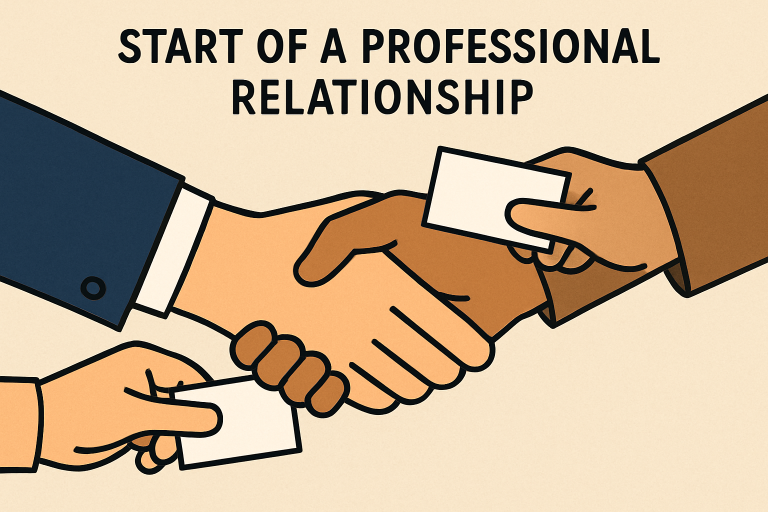
The initial interaction can often set the tone for the entire buyer relationship. Approaching prospects with authenticity and professionalism shows respect and establishes the foundation for future conversations. Personalizing your outreach makes a powerful impression. Reference specifics about their company, industry, or recent milestones to show you have done your homework. Even a brief mention of projects or pain points that are close to their experience can serve as a meaningful icebreaker, encouraging positive dialogue.
This approach is effective across markets, from small businesses to enterprise sales, because it transcends generic sales pitches and signals a keen interest in the buyer as a person rather than just a transaction. Personalization helps differentiate you from competitors and encourages buyers to engage openly about their needs and expectations.
Active Listening and Understanding Buyer Needs
Communication in sales is as much about listening as it is about speaking. Top-performing professionals excel by making buyers feel truly heard. By asking open-ended questions and allowing prospects the space to elaborate, you uncover the motivations and objectives behind their purchasing decisions. When you take detailed notes and repeat key points back to the buyer for confirmation, it demonstrates empathy and helps avoid misunderstandings.
Understanding buyer needs allows you to provide truly tailored solutions. This goes beyond matching product features to checklists; it means identifying pain points, business objectives, and even unspoken concerns. By customizing your pitch and recommendations, you show that you are invested in the buyer’s individual success.
Providing Value Through Educational Content
Today’s buyers want to make informed decisions, not just react to persuasive pitches. Supplying relevant articles, market outlooks, or targeted educational guides builds your reputation as a knowledgeable ally. When you proactively share resources or answer common industry questions, you empower the buyer.
This approach positions you as a go-to expert, prompting buyers to reach out to you for advice, both during and after the sales cycle. Curating and sharing tips or examples also shows your commitment to their growth even before any sale is made.
Maintaining Consistent and Transparent Communication
Buyers appreciate transparency, especially regarding project progress, potential setbacks, and expected timelines. Providing regular updates and proactively communicating obstacles not only manages expectations but also enhances your credibility. According to Hogan Assessments, clear communication is a signature trait of high-performing leaders and fosters trust across professional relationships. When you stay in touch through agreed-upon channels and respond promptly to questions, buyers feel valued and secure.
Set a communication rhythm that works for the buyer, whether that is weekly emails, progress calls, or shared project portals. This consistent cadence signals that you prioritize their experience and are committed to full transparency throughout the buying process.
Leveraging Technology for Enhanced Engagement
Technology can be a game-changer for building and sustaining buyer relationships. Customer Relationship Management (CRM) systems help track every conversation and promise, so nothing falls through the cracks. Automated reminders ensure important follow-ups do not slip through the cracks. Detailed analytics from CRM platforms reveal buyer behavior and preferences, enabling more precise, timely engagement. Personalized emails and digital touchpoints can supplement your human outreach, making every interaction count.
Use CRM notes to recall key details about buyer preferences in future conversations. This thoughtful detail demonstrates attentiveness and can surprise buyers with a personalized experience unmatched by less organized competitors.
Following Up and Seeking Feedback
A relationship-based approach does not end at the sale. Following up after a deal closes confirms your commitment to the buyer’s satisfaction. A simple call or email to confirm expectations and gather feedback can uncover opportunities for further improvement or new business. Constructive criticism is invaluable for fine-tuning your approach and services.
Respond to feedback with gratitude, whether positive or critical. Buyers who feel heard and appreciated are more likely to engage with your brand in the future and become advocates.
Building Long-Term Partnerships
The strongest relationships are forged after the initial close. Maintain contact by periodically sharing industry updates or helpful tips relevant to the buyer’s evolving needs. Offering continued support, such as troubleshooting, advice, or introductions to peers, demonstrates that you view each transaction as the start of a partnership, not an endpoint.
Long-term engagement leads to referrals and new opportunities, especially as buyers move into new roles or take on larger projects. Position yourself as a consistent resource to encourage sustained loyalty and lasting value for both you and your clients.
Final Thoughts
By adopting these strategies, you will cultivate buyer relationships that extend from the very first conversation through successful closings and far beyond. A focus on trust, open communication, technological support, and ongoing partnership will differentiate you in a crowded marketplace and help drive sustainable growth.

