
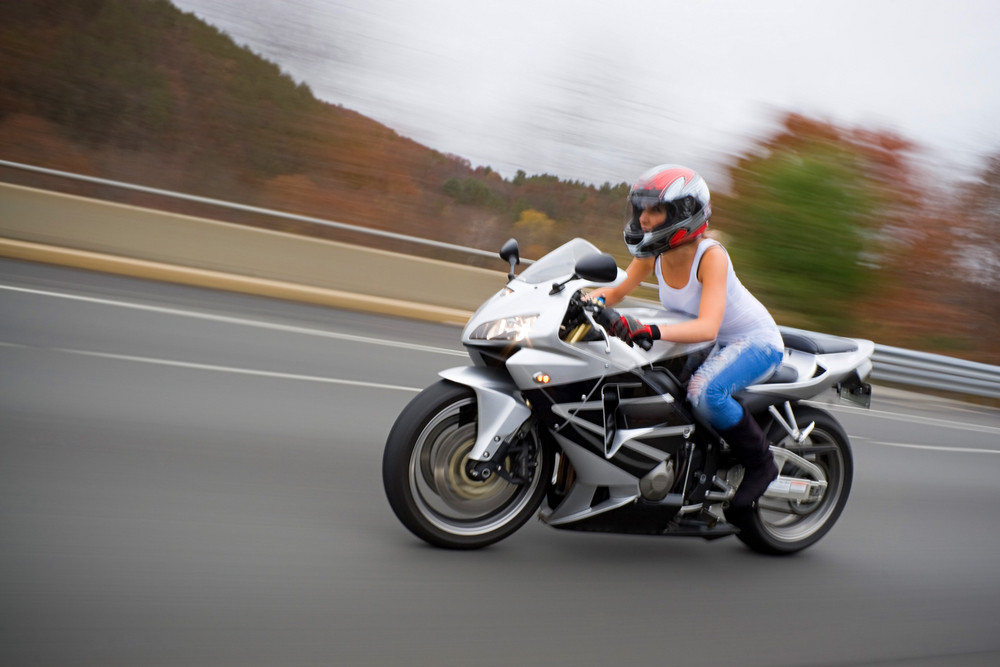
Riding motorcycles and bicycles brings a unique sense of freedom and adventure. However, with this freedom comes a host of potential road hazards that riders must be aware of to ensure their safety. This article delves into some of the common dangers that motorcyclists and bicyclists encounter on the road and offers insights into mitigating these risks.
Understanding Vehicle Interactions
One of the primary hazards faced by bicyclists and motorcyclists is sharing the road with larger vehicles. According to Texas Statutes, motorists must carry liability insurance with a minimum of $25,000 coverage for property damage per accident. This insurance provides a safety net, yet it underscores the potential for significant damage in collisions involving smaller vehicles. Even relatively minor accidents can result in costly repairs and serious disruptions for riders. Understanding these risks can help reinforce the importance of staying alert and taking proactive safety measures.
The lack of physical protection for two-wheel riders makes interactions with cars and trucks particularly perilous. Motorists often struggle to see bicycles or motorcycles due to their smaller size, leading to dangerous situations. Riders must be vigilant and adopt defensive riding strategies to mitigate the risk of being hit by an automobile.
Clear communication between motorcyclists, bicyclists, and drivers plays a vital role in preventing accidents. Signals and predictable movements can enhance visibility and understanding on the road. Education for both riders and drivers is crucial in fostering an environment where everyone respects shared spaces.
Environmental and Road Conditions
Environmental factors significantly contribute to road hazards for motorcycles and bicycles. Wet or icy roads can increase stopping distances and reduce traction, posing a risk even in low-speed situations. Riders should be conscious of these conditions and adjust their riding accordingly to maintain control of their vehicles.
Potholes, debris, and uneven road surfaces are common challenges for two-wheelers. Such obstacles can cause a loss of balance, leading to potentially serious accidents. Regular road maintenance and immediate reporting of hazards can help mitigate these risks.
Aside from natural elements, urban environments require riders to navigate through obstacles like construction zones and traffic congestions. Understanding local traffic patterns and remaining alert for sudden changes can assist riders in anticipating and responding to potential threats effectively.
Legal Frameworks and Penalties
Legal regulations play a crucial role in enhancing the safety of bicyclists and motorcyclists. According to the Ohio Bureau of Labor Vehicles, first-time DUI offenders face penalties including license suspension, fines, and potential jail time. Such laws deter driving under the influence, which can significantly impact the safety of two-wheel riders.
Strict enforcement of traffic laws is essential for protecting vulnerable road users. Penalties for infractions like speeding and reckless driving serve as deterrents, ensuring that motorcyclists and bicyclists are seen and respected on the roads. Lawmakers continue to refine these frameworks to address emerging issues related to road safety.
Advocacy for stricter safety measures and increased awareness campaigns is pivotal in reducing accidents involving motorcycles and bicycles. Community involvement and feedback can also inform legislation that adequately protects all road users. Collaboration between legal entities, riders, and the public is crucial in evolving safety standards.
Health Implications of Road Incidents
Injuries and fatalities resulting from road incidents have profound impacts on individuals and communities. According to the CDC, around 1,000 bicyclists die each year on U.S. roads, with over 130,000 sustaining injuries. Implementing rigorous road safety measures could significantly reduce these numbers and improve overall health.
Accidents involving motorcycles and bicycles often result in severe physical injuries, necessitating long-term medical treatment and rehabilitation. These health challenges contribute to personal and financial strain on accident victims and their families. Raising awareness and promoting preventive strategies can help lessen the burden of these injuries.
Ensuring that motorcyclists and bicyclists wear appropriate protective gear is crucial in reducing the severity of injuries during crashes. Helmets, reflective clothing, and other safety equipment can provide life-saving protection. Education regarding the importance of safety gear should be an ongoing effort in all rider training programs.
Navigating the road safely is a shared responsibility among all users. Awareness of the unique hazards faced by motorcycles and bicycles is crucial in fostering a safer transportation ecosystem. Through improved communication, adherence to legal standards, and proactive safety measures, it’s possible to protect the lives of two-wheel riders everywhere.

