
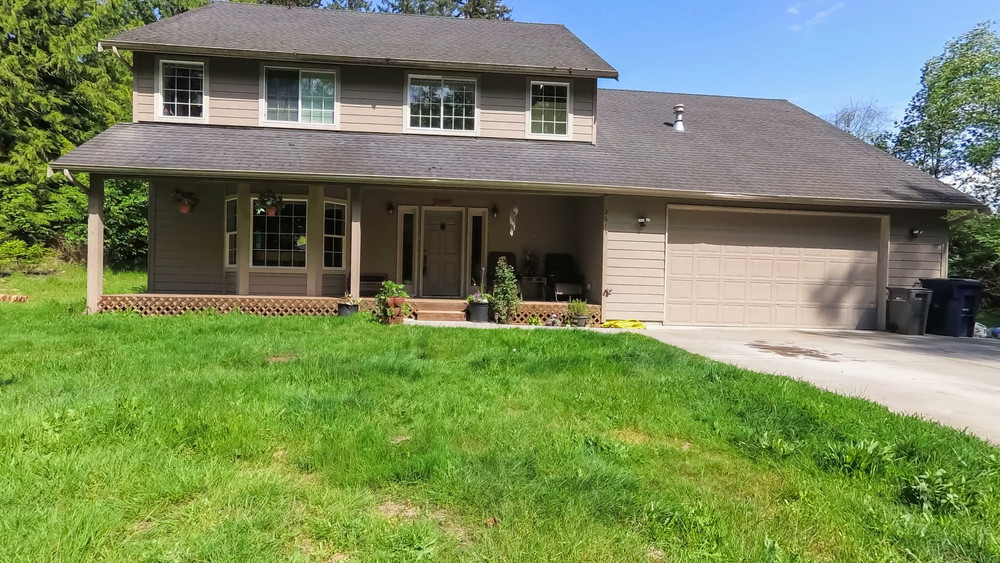
In the world of architecture, roofs are more than just protective coverings from the natural elements—they are significant design elements that define the character of a home. With a variety of roof styles available, homeowners have myriad options to complement and enhance their home’s appearance. This article explores how choosing the right roof style can harmonize with different architectural designs, influence curb appeal, and be cohesive with the home’s exterior materials.
Matching Roof Styles To Architectural Home Types
A roof style can significantly impact the aesthetic of a home, especially when thoughtfully matched with its architectural type. For instance, a traditional Colonial home may feature a gabled roof which highlights its symmetrical lines and formal appearance. In contrast, contemporary designs often embrace flat roofs as they blend seamlessly with the sleek and modern aesthetics.
According to Roofing Contractor Magazine, roofing services for single-family homes make up 60% of the residential roofing market, demonstrating the prevalent demand for varied roof styles. This popularity indicates homeowners’ desire to invest in roofs that not only protect but also enhance the visual appearance of their properties. Victorian homes, for example, often sport steeply pitched roofs that align with their intricate and ornate designs.
Complementing architectural styles with matching roofs can create a harmonious and pleasing appearance that elevates a home’s elegance. Tudor homes, known for their charming appeal, benefit from a combination of gabled and hipped roof styles that emphasize their historic character. By understanding and respecting these architectural nuances, homeowners can add significant aesthetic and financial value to their properties.
How Roof Pitch And Shape Influence Curb Appeal
The pitch and shape of a roof are crucial factors in determining the curb appeal of a home, impacting both visual allure and maintenance needs. Steeply pitched roofs often command attention, making a bold statement that can transform an ordinary house into a remarkable one. They also offer functional benefits like improved water drainage, which is particularly advantageous in regions with heavy rainfall.
According to Roof Calc, the average residential roof in the United States is 1,600 square feet, highlighting the substantial surface area that influences the home’s appearance. A well-chosen roof shape, such as a mansard or gambrel, can dramatically boost a home’s character, creating distinctive silhouettes against the skyline. These shapes not only enhance visual allure but also provide additional space for attics or top-floor rooms.
Investing in the right roof pitch and shape can also boost property value, as attractive roofs significantly contribute to a home’s overall charm. Homes with well-proportioned rooflines tend to attract potential buyers by offering not just aesthetic appeal but reassurance of quality construction. Consequently, choosing the right roof design can drastically enhance both the home’s beauty and its market value.
Choosing Materials That Complement Exterior Design
Selecting appropriate roofing materials is essential in coordinating with a home’s exterior design and achieving a unified look. Materials like slate or wood shake bring a natural elegance that complements rustic or historic home styles, adding unique textures and colors. These traditional materials often become focal points, creatively enhancing the home’s architectural charm.
According to Today’s Homeowner, asphalt roofs generally last 15 to 20 years, presenting a cost-effective and versatile option for various architectural styles. These roofs can be customized in terms of color and pattern to harmonize with siding and landscape features. Asphalt’s adaptability means it can seamlessly fit into both classic and contemporary design schemes, fulfilling both aesthetic and practical needs.
Durability and appearance are equally crucial for selecting the right roofing material, ensuring they align with the home’s architectural demands. Metal roofs offer a modern, sleek finish for cutting-edge designs while being sustainable and energy efficient. Meanwhile, clay tiles provide vibrant color and distinctive texture, perfect for enhancing Mediterranean or Spanish-style homes, ensuring that each homeowner’s unique style is both expressed and maintained.
In conclusion, selecting the right roof style, pitch, shape, and materials is pivotal in accentuating a home’s existing design and ensuring a pleasing aesthetic. Properly matched roofs not only bolster curb appeal but also resonate with the architectural integrity and overall theme of the house. As homeowners navigate the multitude of roofing options, aligning style with functionality and design can transform their houses into beautiful expressions of architectural harmony and distinction.

