
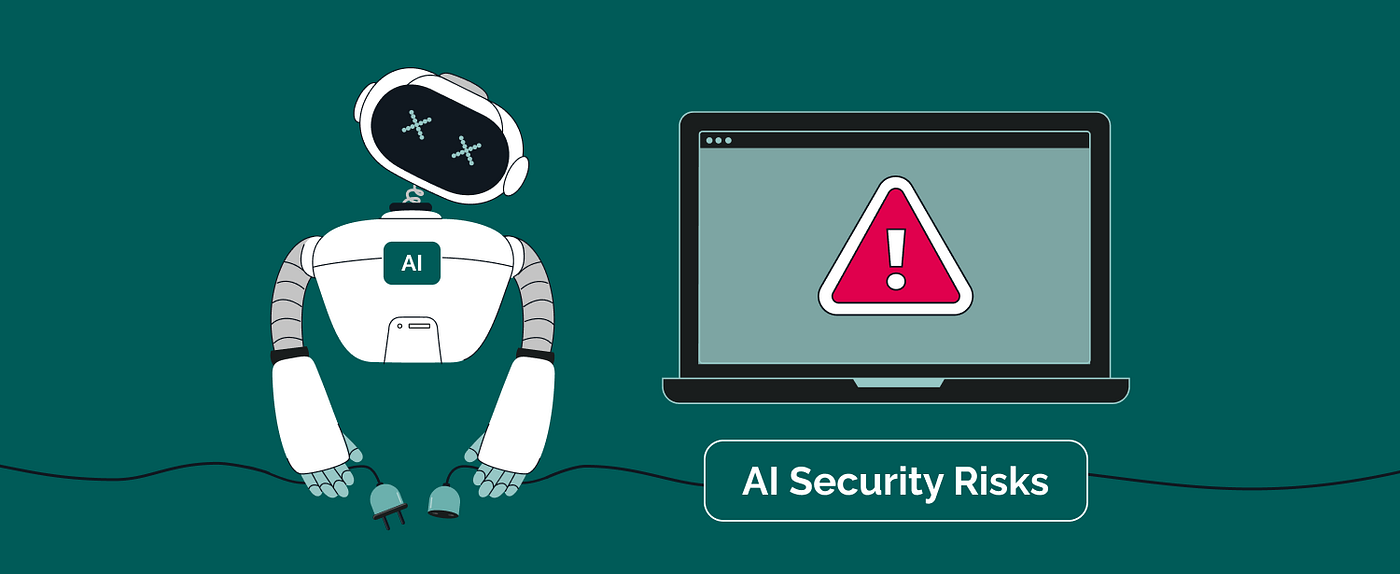
Now, maybe almost every day, AI is actually a part of our life. Applications of AI in drafting emails, photo editing, organizing schedules, answering questions and video clipping.
These were the most popular tools, but in doing so, they also gather vast amounts of personal data. Sadly, in most cases, users are unaware of how many details they give away when using them.
Therefore, being aware of the privacy dangers of AI-based developers is important. This will make you more intelligent by using these apps, so that in the future, they can better protect your privacy and your own data.
Why AI Apps Collect So Much Data
Even though AI apps are based on software, they rely on user data to become better. The more data they receive, the clearer their perception of human behavior becomes, and thus the more accurate the results they can offer.
Many AI apps collect:
- Conversations and prompts
- Voice recordings
- Images and videos
- Uploaded documents
- Device information
- IP address
- Browser activity
- Location data
- Usage history
While some of this data is necessary, other apps collect much more than you would prefer.
Major Privacy Risks of AI Apps
They are the vulnerabilities that you can understand to live online more securely.
Excessive Data Collection
Most of the AI apps available require permissions they never need to execute their features. A photo editor app might request: Contacts, Microphone, Camera and Location.
So, the application in practice retrieves more personally identifiable information than is necessary.
Conversations May Be Saved
A majority of those who use the AI assume that their chats disappear after each session. However, some platforms do keep conversations to improve their service or to assist in solving problems.
Do not use passwords, financial information, or sensitive work documents with AI assistants because of them.
AI Training Using User Data
Some AI companies have models that learn from users interacting with tools they created to improve their model in future iterations. Today, you can opt out on nearly every platform, but very few people check these privacy settings.
Third-Party Data Sharing
Most of these AI services also work with analytics firms, cloud vendors or other businesses. Which means your information is likely sold to all and sundry, even if the privacy policy is explicit.
Security Breaches
Hackers will attack AI platforms. Personal details from a company, if released, can result in identity theft or credit card fraud.
Biometric Information
Some AI applications quantify faces, fingerprints or even voice samples. While these features offer extra convenience, biometric information is highly sensitive data, as it is not something as easily changeable as a password.
Hidden Privacy Concerns
AI apps could start to do more than mere data:
- Build detailed user profiles
- Track browsing habits
- Analyze user behavior
- Monitor location history
- Personalize advertisements
- Predict future interests
Together, these activities help establish very high-resolution digital people that let us see what a person does and how they do it.
Public Wi-Fi Increases Privacy Risks
However, this still leaves unanswered questions about how your private data could be exposed to AI apps on open Wi-Fi (always make sure to set up a VPN on your laptop).
Most users were looking for the most reliable VPN service to stay safe. For example, OysterVPN encrypts your internet connection, making you less likely to have your personal data stolen when using AI-powered applications on public networks.
How to Protect Your Privacy
Luckily, there is so much you can do to protect your online privacy, and it starts with a few simple habits.
Read Privacy Policies
Make sure you read how an app collects, uses and shares your data before using it!
Limit Permissions
Grant only the permissions the app needs to work.
Avoid Sharing Sensitive Data
Never upload:
- Passwords
- Banking details
- Government IDs
- Medical records
- Confidential business files
Enable Two-Factor Authentication
When you enable 2FA, it provides extra security for your account.
Keep Apps Updated
Regular updates fix security flaws and improve the protection level.
Review Privacy Settings
Lots of AI applications keep track, from chat history to data collection, and train you on how to manage. These options will provide you with more control over your information as you see it.
The Future of AI Privacy
As AI continues to advance, privacy will become a more precious resource. The government steps in to impose more stringent data safeguards, and technology firms become much better at encryption and security measures. However, users still need to be wary and careful about what information they share.
Conclusion
AI-based apps spread everywhere, making day-to-day tasks easier and faster, but with their widespread use, they also raise huge privacy concerns. Whether it is data retention, conversations that are stored or shared with a third-party site, users should understand how and what will be done with their information.
This means you can limit users to the absolute minimum necessary rights, avoid sensitive information, leverage powerful security features and privacy settings, and manage them at regular intervals to prevent AI from accessing business secrets.

