
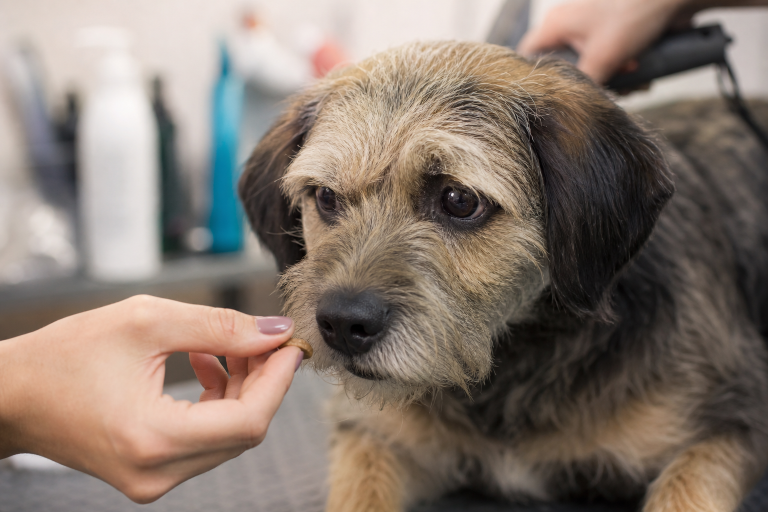
Key Takeaways
- Dogs may fear grooming because of noise, pain, slippery surfaces, unfamiliar tools, or negative past experiences.
- Short, predictable sessions and rewards for calm behavior can help build trust over time.
- Early signs of stress should be taken seriously before a dog reaches the point of panic.
- Professional groomers should adapt their pace and stop when a dog cannot continue safely.
- Sudden fear, pain, or severe reactions may require veterinary or behavior support.
Grooming is an important part of a dog’s health, but brushing, bathing, nail trimming, and drying can feel overwhelming for a nervous pet. Loud sounds, unfamiliar handling, slippery floors, and past discomfort can turn a basic care routine into a stressful event. The goal is not to force a dog to tolerate grooming, but to build confidence through safe, gradual practice.
Whether grooming happens at home or with a professional, patience makes a meaningful difference. Resources such as Wagmore can help pet owners stay focused on the larger goal of compassionate, routine care that supports both physical health and emotional well-being.
Why Grooming Can Feel Scary
A grooming session asks a dog to accept many unusual sensations at once. Clippers vibrate, dryers create noise and moving air, water sounds can be startling, and grooming tables may feel unstable. Dogs can also be especially sensitive about their paws, ears, tail, face, and belly.
Fear is not stubbornness or bad behavior. A dog may be reacting to tangled fur, irritated skin, arthritis, sore ears, dental pain, or a memory of a difficult grooming experience. Treating fear as communication, rather than disobedience, creates a safer starting point for everyone.
Spot Early Signs of Stress
Dogs often communicate discomfort long before they bark, snap, or try to escape. Watch for lip licking, repeated yawning, turning the head away, flattened ears, a tucked tail, freezing, trembling, panting, pacing, or suddenly refusing a favorite treat.
Responding at this stage can prevent the dog from becoming overwhelmed. The American Kennel Club’s guide to dog anxiety also emphasizes recognizing body language and using gradual exposure instead of pushing a fearful dog through a stressful situation.
Build a Calm Grooming Routine at Home
Start in a quiet room with good lighting and secure footing. A non-slip mat can make a major difference for dogs that feel uneasy on tile, tubs, or raised surfaces. Gather brushes, towels, treats, and other supplies before inviting your dog into the space.
- Allow your dog to sniff each grooming tool without using it.
- Reward calm investigation with quiet praise or a small treat.
- Begin with an easy area, such as the shoulder, back, or chest.
- Use only a few gentle brush strokes or brief touches.
- End the session while your dog is still comfortable.
Several successful two-minute sessions are more valuable than one long session that ends in panic. Progress may feel slow, but consistency teaches the dog that grooming is predictable and manageable.
Introduce Brushes, Clippers, and Dryers Slowly
New tools should be introduced in stages. First, place the silent tool several feet away and reward relaxed behavior. Next, let the dog see and sniff it. Once that is easy, briefly turn on clippers or a dryer from across the room, then reward calmness.
For example, a dog afraid of a dryer may first relax near the silent dryer, then hear it at a distance, and later experience a few seconds of airflow directed away from the face. Only increase the challenge when the dog remains loose, interested, and able to take treats.
Use Rewards Without Adding Pressure
Soft, easy-to-eat treats are useful because they can be delivered quickly between small steps. Some dogs also enjoy a dog-safe lick mat during brushing or bathing. Keep your voice calm, move predictably, and give the dog a break before stress rises.
Rewards should support willing participation, not distract a dog from painful handling. If a dog will not eat, freezes, or attempts to leave, the task is likely too difficult at that moment. Make the next attempt easier instead of insisting on completion.
Make Bath Time Safer and Easier
- Use lukewarm water and mild shampoo formulated for dogs.
- Place a non-slip mat in the tub, sink, or bathing area.
- Keep water away from the eyes and inner ears.
- Rinse thoroughly to reduce the chance of skin irritation.
- Use absorbent towels before introducing a loud dryer.
- Pause if the dog shakes, freezes, trembles, or tries to leave.
Handle Nails, Paws, and Sensitive Areas With Care
Nail care is often one of the hardest tasks for nervous dogs. Break it into tiny lessons: touch the leg, touch the paw, hold the paw for one second, show the trimmer, touch the trimmer to one nail, then trim a very small amount. There is no requirement to finish every nail in one sitting.
Use proper lighting, avoid rushing, and stop if your dog seems painful or unusually sensitive. Severe mats, overgrown nails, or heavily soiled areas can be uncomfortable to address at home and may need professional attention.
Choose a Grooming Professional Carefully
Before booking, ask how the groomer works with fearful or reactive dogs. A good conversation should cover breaks, tool introductions, drying methods, handling practices, and what happens if the groom cannot be completed safely. Speed should never be more important than a dog’s welfare.
Pet owners can also explore the Fear Free directory of certified pet professionals to learn more about low-stress handling approaches and locate professionals who have pursued additional education in reducing fear, anxiety, and stress.
When a Dog Needs Veterinary Support
Schedule a veterinary visit if grooming fear appears suddenly, your dog cries when a certain area is touched, or you notice signs of skin, ear, joint, or dental discomfort. Severe aggression, repeated escape attempts, and prolonged distress after grooming also deserve professional guidance.
Never give sedating or calming medication without veterinary direction. A veterinarian can rule out medical causes, discuss behavior support, and recommend safe options for dogs that need more help.
A Simple 2026 Grooming Plan
- Week One: Reward calm behavior around grooming tools.
- Week Two: Practice brief body and paw touches.
- Week Three: Add short brushing sessions on easy areas.
- Week Four: Introduce one new challenge, such as water sounds or nail-tool handling.
- Ongoing: Repeat easy wins, track stress signals, and pause whenever needed.
Common Mistakes to Avoid
- Trying to complete every grooming task in one session.
- Holding a dog still after clear signs of panic.
- Chasing a dog with brushes, clippers, scissors, or towels.
- Punishing growling, struggling, or attempts to escape.
- Ignoring mats, skin irritation, pain, or changes in behavior.
- Choosing speed over safety and trust.
Conclusion
Calmer grooming begins with small steps, close attention to body language, and a willingness to stop before a dog becomes overwhelmed. Your dog does not need to enjoy every task immediately. With steady practice, gentle handling, and the right professional or veterinary support when needed, many nervous dogs can learn that grooming is safe.

