
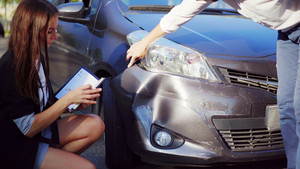
Multi-car collisions can lead to complex legal scenarios, especially when it comes to determining fault. Each party involved may have a different perspective on what transpired, making it crucial to understand the underlying processes used to establish liability. This article delves into the intricate methods and considerations applied to decipher fault in such incidents.
The Role of Evidence in Establishing Fault
When determining fault in a multi-car collision, evidence plays a pivotal role. Investigators scrutinize a range of evidence, from traffic camera footage to skid marks on the road. Collecting and analyzing such data helps piece together the sequence of events leading up to the accident, offering insights into who may have been at fault.
Witness testimonies also contribute significantly to the process. Individuals who observed the collision firsthand can provide valuable accounts, although it’s essential to consider any potential biases or discrepancies in their stories. Police reports, too, serve as key documents, capturing the immediate circumstances of the crash.
According to the World Health Organization, nearly 1.19 million people lose their lives in traffic accidents yearly, underscoring the importance of accurately assessing fault to prevent future incidents. By leveraging comprehensive evidence, law enforcement and legal experts can more effectively determine culpability in car crashes.
Legal Framework and Fault Determination
The legal framework underpinning fault determination in multi-car accidents is intricate and varies by jurisdiction. Some regions adhere to a comparative negligence model, where fault is apportioned among parties based on their degree of responsibility. This approach often results in adjusted liability percentages and impacts compensation claims.
Conversely, other areas utilize the contributory negligence system, wherein any party deemed even partially at fault may be barred from recovering damages. This stricter model demands a thorough examination of each driver’s behavior leading up to the accident. Legal professionals, of which there are over 1.3 million, according to the American Bar Association, are well-versed in navigating these frameworks.
Personal injury law firms are pivotal in these scenarios. With over 50,286 such businesses in the U.S., according to IBISWorld, they provide essential legal services and guidance to those involved in accidents. Their expertise is invaluable in interpreting complex legal statutes and representing clients effectively.
Insurance Companies and Their Influence
Insurance companies wield considerable influence in the fault determination process. They conduct their investigations and may collaborate with independent experts to ascertain liability. Adjusters analyze police reports, witness statements, and damage assessments to form their conclusions.
The findings of insurance companies can significantly sway the course of legal proceedings. While they aim to protect their interests, they must balance this with fair evaluations of the claims. Their role is critical in ensuring that victims receive appropriate compensation based on the determined fault.
Ultimately, the interplay between legal professionals, insurance agents, and law enforcement shapes the outcome of multi-car collision cases. These stakeholders work together to unravel the complexities of such incidents and assign responsibility accurately. This multidisciplinary approach aims to deliver justice and foster safer roadways.
In conclusion, determining fault in multi-car collisions is a multifaceted process that involves a comprehensive analysis of evidence, legal statutes, and insurance evaluations. While the task is challenging, it plays an essential role in ensuring justice for all parties involved and enhancing road safety. Understanding these procedures can help individuals better navigate the aftermath of such incidents and advocate for their rights effectively.

