
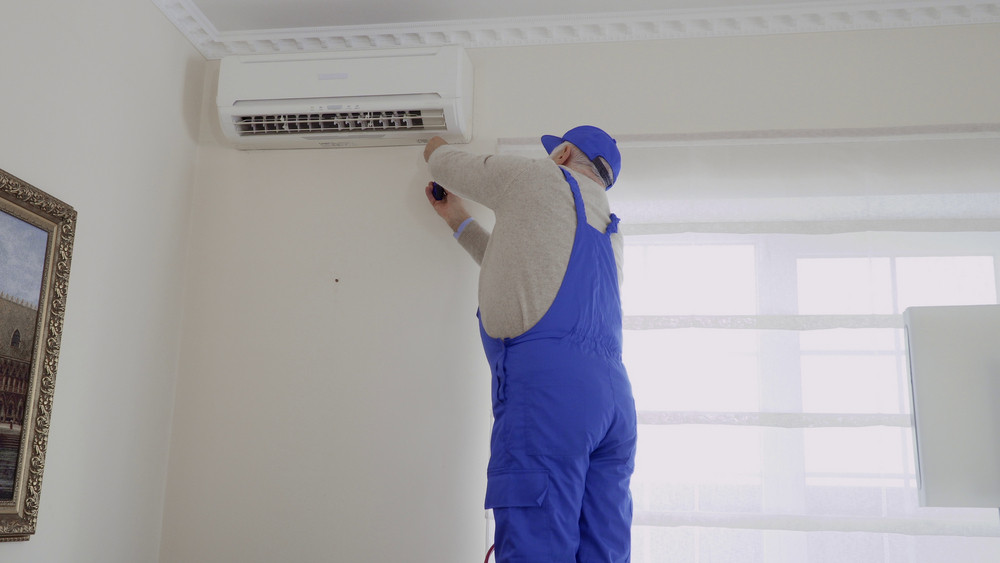
Air conditioning systems play a crucial role in ensuring our homes remain comfortable and livable, regardless of the outside temperature. However, like any home appliance, AC units have a limited lifespan. Understanding when it’s time to replace your AC unit can save you from unexpected breakdowns and ensure your home remains a sanctuary from the heat.
Signs Your AC Unit Needs Replacement
Over time, the efficiency of an AC unit can decline, resulting in less effective cooling and higher energy bills. Most air conditioners, if well-maintained, function effectively for about 12 to 15 years. Regular maintenance can extend the life of your unit, but once it starts requiring frequent repairs, it might be time to consider a replacement.
Another definite sign that your AC might need replacing is inconsistent temperatures across different rooms in your home. If you notice that the system struggles to maintain a uniform temperature, it could indicate the unit is losing its efficiency. This is especially true if adjustments to the settings don’t seem to address the issue.
Aside from uneven cooling, unusual noises can also be a hint of an impending failure. Sounds such as grinding, squeaking, or banging are warning signs that should not be ignored. These noises often mean that internal components are wearing out and could lead to a complete breakdown.
Assessing the Age of Your AC Unit
A vital factor in determining the need for a new AC unit is its age. As mentioned earlier, typical air conditioners last between 12 and 15 years. If your unit falls within or beyond this range, it’s worth investigating alternatives on the market that offer newer technologies and better energy efficiency.
Comparatively, modern AC systems provide better energy efficiency than older models, which translates to lower utility bills. This might be an ideal opportunity to upgrade your system, especially if you’re already encountering issues with your current air conditioning. Moreover, the Department of Energy suggests that a well-sized unit should have around 20 BTUs of cooling capacity per square foot, so using this guideline when purchasing a new unit could lead to better system performance.
If your system meets or exceeds its expected lifespan, it could also face the likelihood of a refrigerant phase-out. As refrigerant types evolve due to environmental regulations, older AC units might become obsolete. Upgrading is, therefore, not only a matter of efficiency but also compliance with ecological standards.
Understanding Energy Efficiency Impacts
Older AC units often require more energy to achieve the same cooling effectiveness as newer models, leading to higher electricity bills. Installing an energy-efficient air conditioning system can lead to significant savings over time, offsetting the initial cost of replacement. This factor is especially relevant for places with prolonged hot seasons, where usage is substantial.
As technological advancements continue to evolve, modern air conditioners offer features that enhance comfort and efficiency. These might include smart thermostats and advanced humidity control. By upgrading, homeowners can leverage these features to create a more controlled and pleasant environment.
Furthermore, choosing an energy-efficient unit is an eco-friendly decision. By decreasing your carbon footprint, you contribute to global efforts to combat climate change. This added benefit also appeals to potential buyers if you choose to sell your home, as more people are looking for eco-conscious living solutions.
Evaluating Repair Costs versus Replacement
When considering a new AC unit, it’s essential to weigh the costs of repairs against replacement. Frequent repairs not only become costly over time but also fail to address underlying inefficiencies in an older system. If repair expenses are nearing 50% of the cost of a new unit, replacement might be the more economical option.
Replacing parts can temporarily solve operational issues but won’t improve a system’s overall performance. A new installation, however, assures long-term benefits, including reduced maintenance costs and potential manufacturer warranties. These warranties can provide peace of mind and protection against unforeseen expenses in the future.
While the initial investment in a new AC unit can seem daunting, the long-term savings on energy bills and fewer repairs can offer a favourable financial return. Ensuring your home stays comfortable should be a priority, allowing you to enjoy those hot summer months without concerns about system failures.
Making the Right Choice for Your Home
Deciding to replace your AC unit involves considering several factors, from age and efficiency to repair costs. Assessing these variables gives homeowners the best chance of making an informed decision that benefits their comfort and budget. Ultimately, upgrading to a newer, more efficient model can vastly improve home comfort and energy use.
Moreover, with 75% of homes in America equipped with air conditioning, keeping yours in optimal condition becomes even more vital. Proactive replacement can prevent inconvenient breakdowns and ensure consistent cooling through the variable seasons. In conclusion, understanding the right time to replace your AC unit guarantees you maintain the sanctuary your home provides against the heat, for years to come.

