
In today’s modern homes, energy consumption primarily revolves around electricity and a suite of household appliances. Despite technological advancements aimed at efficiency, many appliances remain staple contributors to high energy costs. Understanding how these elements influence energy use is crucial as households aim to reduce their carbon footprint and save on bills.
The Silent Energy Glutton: Household Appliances
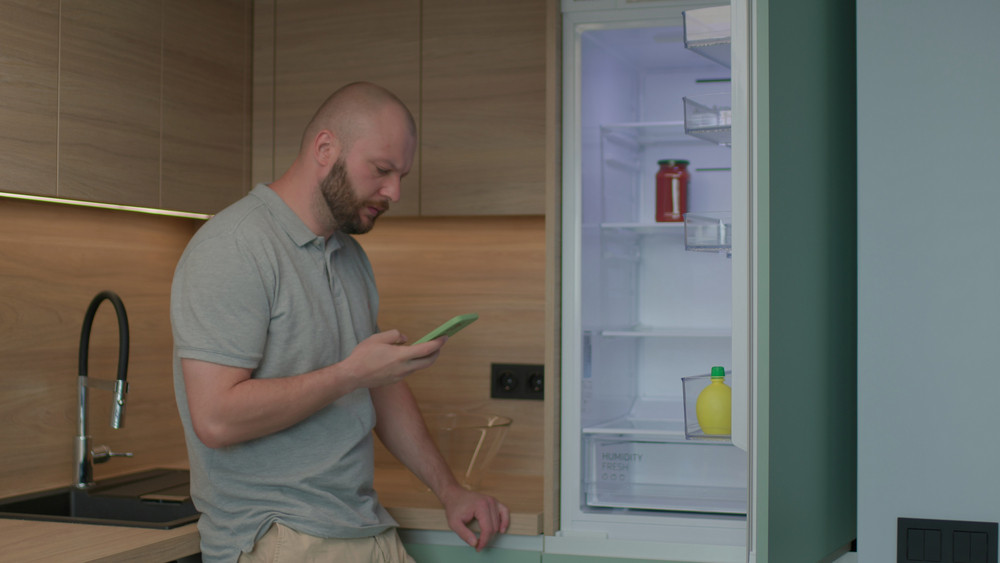
Appliances are ubiquitous in the modern home, but their energy consumption often goes unnoticed. Among these, refrigerators are significant contributors to energy consumption due to their continuous operation. Remarkably, in North America, around 30% of requests for appliance service repairs relate to refrigerators, highlighting their critical role and the stress they endure.
Refrigerators, by necessity of design, operate 24/7 to preserve food safety, resulting in substantial electricity use. As such, they are profound examples of unseen power consumption that contribute significantly to the electrical demand. Across many American homes, inadequate maintenance can lead to inefficiency, escalating the overall energy bill.
While refrigerator usage is imperative, upgrading to energy-efficient models can mitigate excessive power consumption. These models often employ advanced compressors and improved insulation to reduce energy waste. Homeowners should consider this investment as a long-term savings strategy.
Electricity in the Home: The Current that Never Sleeps
Electricity forms the backbone of energy use across all homes, driving the functionality of almost every modern convenience. However, this invisible current represents a significant 45% of home energy consumption, as estimated by the Department of Energy. This highlights the indispensable but demanding nature of electrical reliance in day-to-day operations.
From lighting and heating systems to powering gadgets, electricity consumption extends beyond simple use, significantly affecting energy bills. Often, behaviors such as leaving devices in standby mode add to this consumption, causing hidden spikes in energy demand. Educating homeowners on the impacts of such practices can lead to more mindful energy use.
Implementing smart home technologies can further optimize electricity use by providing automatic energy savings and usage insights. For instance, programmable thermostats and energy monitors help in curtailing unnecessary consumption. Such measures not only reduce utility costs but also contribute to sustainable living.
The Growing Field of Skilled Electricians
The rising complexity of electrical systems and appliances necessitates professional expertise, reflecting an increased demand for skilled electricians. Projected to grow by 14% over the next decade, the electrician field shows no sign of slowing down, as reported by Gitnux. This surge highlights the importance of maintaining and upgrading home electrical systems efficiently.
Electricians play a pivotal role in ensuring homes are wired safely and efficiently to meet energy demands, including the seamless operation of all appliances. Their expertise not only facilitates the integration of energy-efficient systems but also reinforces safety standards within the home. As a result, the demand for their services is a direct response to heightened awareness and adoption of energy-efficient practices.
Homeowners might find it beneficial to engage skilled electricians for regular maintenance, preemptively addressing potential inefficiencies. Consequently, this proactive approach can lead to enhanced appliance lifespans and reduced energy consumption. Therefore, investing in professional expertise is as crucial as investing in energy-efficient products.
Proactive Energy Management
Understanding and managing electricity and appliance use in the home is crucial for effective energy management. By acknowledging the significant role of appliances like refrigerators and the overarching reliance on electricity, homeowners can take proactive steps to mitigate excessive energy consumption. Transitioning to smart technologies and seeking professional advice from electricians can further optimize energy efficiency.
Reduction in energy use can have long-term benefits that go beyond lower bills, fostering greater environmental stewardship. This dynamic necessitates a prudent assessment of how energy is consumed daily and the implementation of sustainable energy practices. Ultimately, the road to efficient energy use in homes starts with being informed and making calculated, impactful changes.
Through a combination of awareness, technology, and professional support, homeowners can effectively manage their energy resources. These efforts are essential not only for personal economic savings but also in contributing to broader environmental objectives. In embracing such measures, homes can become less power-hungry and more environmentally harmonious.

