
Ask any barista about the one piece of equipment worth investing in, and the answer rarely varies. Before upgrading your espresso machine, before buying exotic beans, before investing in precision kettles or scales, they’ll point to the grinder. This consistent recommendation stems from a reality that many coffee enthusiasts discover only after years of experimentation: inconsistent grinding undermines everything else you do right.
Burr grinders solve the fundamental problem that blade systems cannot—they crush coffee beans between two abrasive surfaces rather than chopping them haphazardly. This crushing action produces remarkably uniform particle sizes, which means each ground piece extracts at approximately the same rate during brewing. The result isn’t just better coffee; it’s predictable coffee that responds consistently to the variables you control.
Understanding Burr Grinding Mechanics
Two main burr configurations dominate the market, each with distinct characteristics that affect performance. Flat burr grinders use two parallel rings with sharp ridges that face each other. Beans fall between these surfaces and get crushed as the gap between them determines the final particle size. Flat burrs typically produce very uniform results and excel at finer grinds needed for espresso.
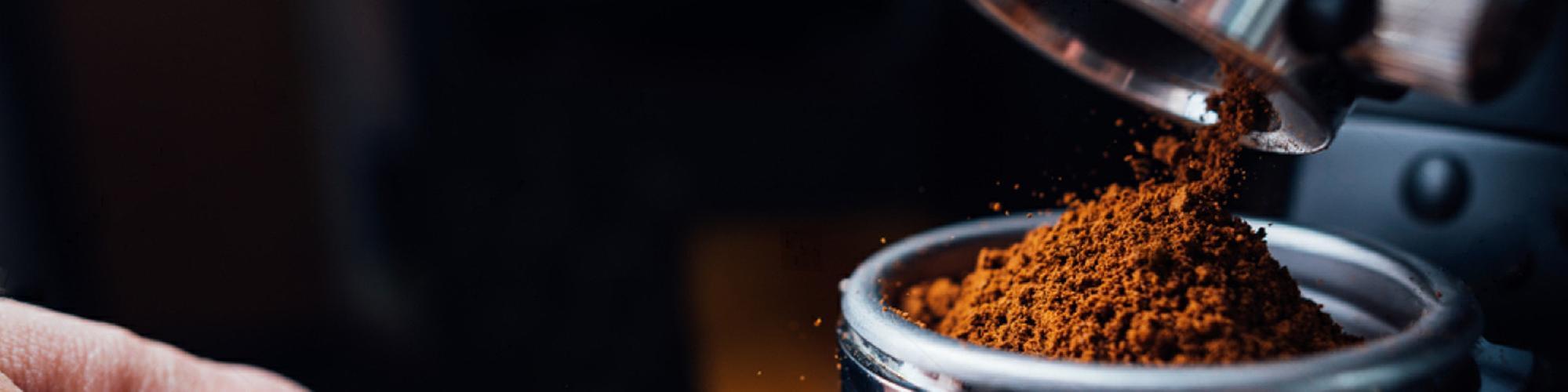
Conical burr systems feature a cone-shaped burr that sits inside a hollow outer burr. Beans spiral downward between these surfaces, getting progressively finer as they travel toward the bottom. Conical burrs generally run quieter than flat burrs and generate less heat, though they produce a slightly wider particle size distribution. For most home brewing applications, this difference remains imperceptible.
The grinding process with burr systems stays fundamentally cooler than blade grinding because beans are crushed rather than struck repeatedly. This gentler approach preserves more of the volatile aromatic compounds that contribute to coffee’s complex flavor profile. While the temperature difference might seem minor, side-by-side comparisons often reveal brighter, more nuanced flavors from burr-ground coffee.
Grind Adjustment and Consistency
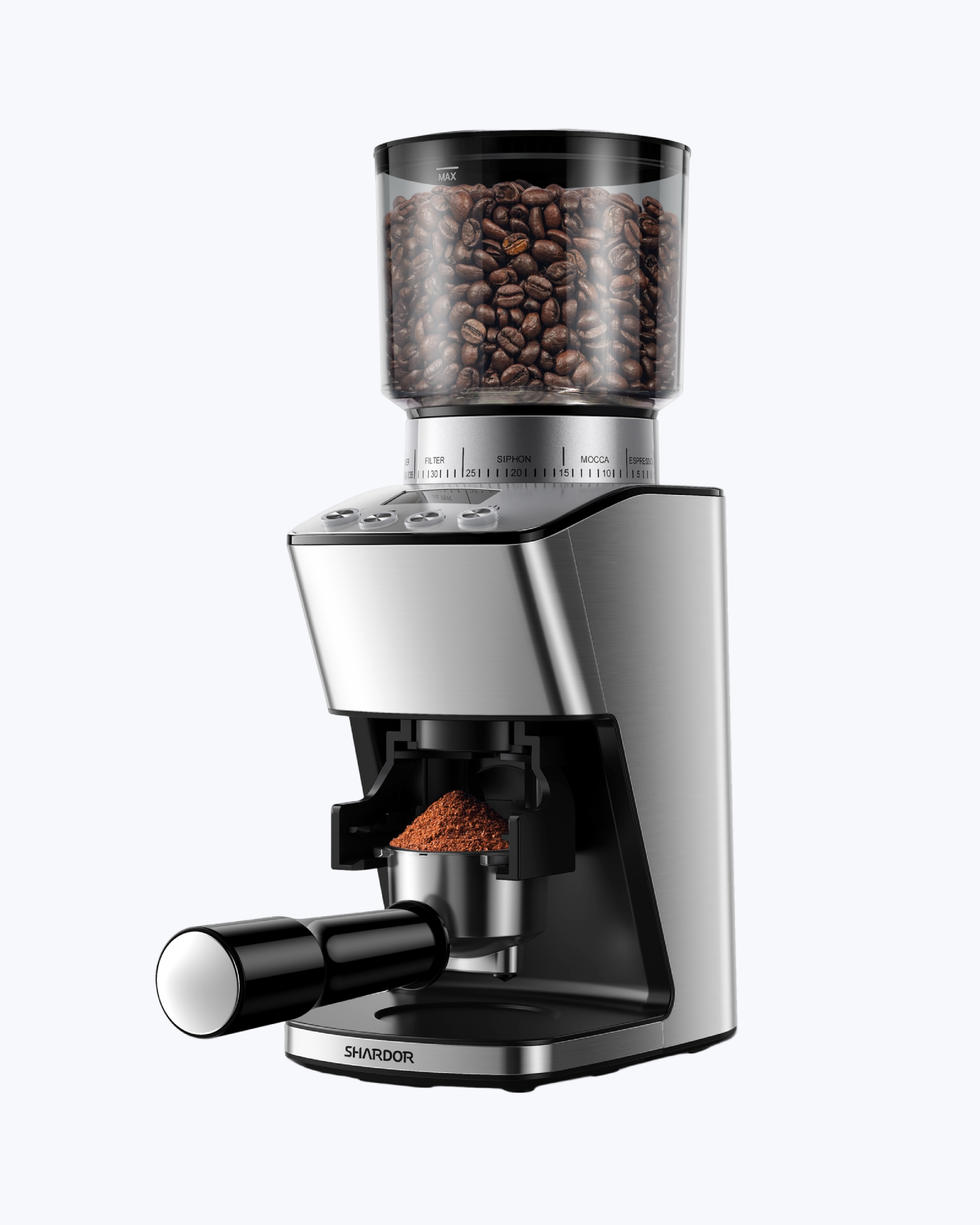
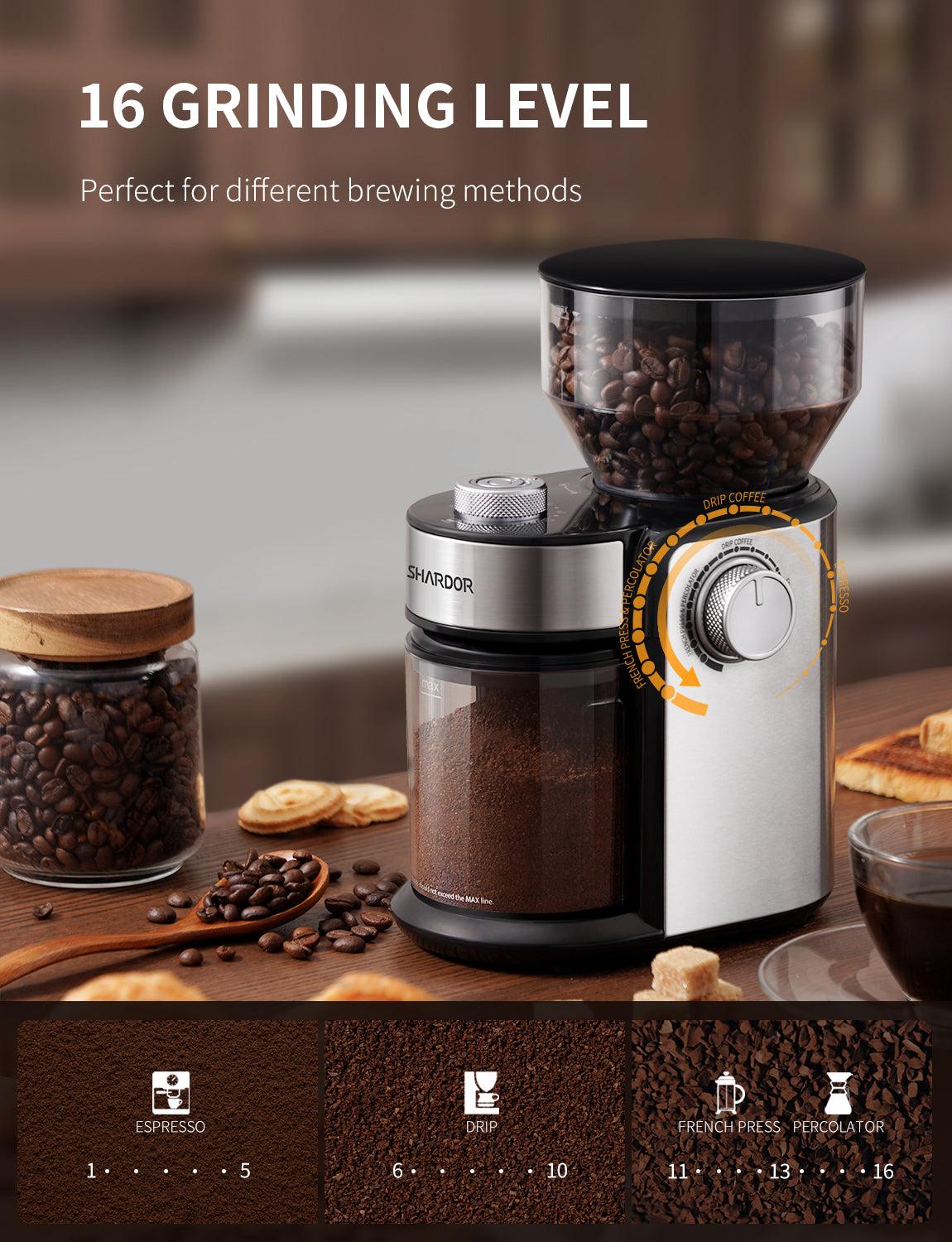
The defining advantage of any burr coffee grinder lies in its adjustability and repeatability. Quality burr grinders feature settings that range from coarse French press grinds to powder-fine Turkish coffee, with numerous increments between. Once you identify the setting that works for your brewing method, you can return to that exact setting repeatedly with confidence.
Stepped adjustment mechanisms provide distinct clicks as you change settings, making it simple to remember and recreate your preferred grind. Stepless adjustment offers infinite variability within the range, appealing to espresso enthusiasts who want to fine-tune extractions precisely. Neither approach is inherently superior; the choice depends on whether you value ease of use or maximum control.
Grind consistency directly affects extraction uniformity, which determines how much flavor you can extract from your beans without introducing defects. When all particles are roughly the same size, you can push extraction further to capture more complexity without over-extracting the fines that create bitterness. This is why professional baristas can achieve balanced, sweet espresso that remains elusive with inconsistent grinding.
The relationship between grind size and brew time becomes more intuitive once you have consistent particle sizes. If your coffee tastes sour, grinding finer increases extraction. If it’s bitter, coarsening the grind reduces extraction. These adjustments work predictably only when your grinder produces uniform results. SHARDOR burr grinders specifically address this need for reliability across different brewing methods.
Motor Power and Grinding Speed
Motor specifications tell you more than just how fast a grinder works. Higher-wattage motors maintain consistent speed under load, meaning they don’t slow down as beans get caught between the burrs. This consistent speed translates to more uniform grinding because each bean experiences the same crushing force regardless of the grinder’s workload.
Grinding speed involves tradeoffs that aren’t immediately obvious. Faster grinding gets you to your coffee quicker but generates more heat from friction and may produce slightly more fines. Slower grinding stays cooler and often produces better particle distribution, but requires patience. Premium grinders typically operate at moderate speeds that balance these considerations.
Noise levels correlate strongly with motor design and burr type. Direct-drive motors tend to be louder than geared systems, and flat burrs typically make more noise than conical designs. If you grind coffee early in the morning while others are sleeping, this factor might matter more than minor differences in grind quality. Consider your household situation when evaluating specifications.
Capacity and Workflow Considerations
Bean hopper capacity determines how often you need to refill, but larger hoppers come with a potential freshness compromise. Coffee beans begin staling as soon as they’re exposed to oxygen, light, and humidity. Keeping beans in a grinder hopper for extended periods accelerates this degradation compared to storing them in an airtight container.
Many experienced users grind only what they need for immediate brewing rather than filling the hopper and drawing from it over days. This single-dosing approach maximizes freshness but requires weighing beans before each grinding session. Some burr grinders include integrated scales to facilitate this workflow, while others assume you’ll keep the hopper filled.
Grounds retention describes how much coffee remains inside the grinder after grinding completes. All grinders retain some coffee in the grinding chamber, chute, or dosing mechanism. Low retention matters most when you switch between different beans frequently, as you want to taste the new beans immediately rather than mixing them with remnants from the previous batch.
Maintenance and Longevity
Burr grinders require more involved cleaning than blade systems, but this maintenance directly affects performance and lifespan. Coffee oils build up on burrs over time, creating a coating that reduces grinding effectiveness and can impart rancid flavors. Regular cleaning with grinder-specific tablets or manual brushing prevents these issues.
Burr replacement becomes necessary after grinding thousands of pounds of coffee, though the exact interval depends on burr material and coffee type. Ceramic burrs typically last longer than steel but are more brittle and can chip if foreign objects enter the grinder. Steel burrs handle impacts better but dull faster, particularly when grinding very light roasts that retain more structural integrity.
The build quality of adjustment mechanisms and motor mounts determines whether a grinder maintains its performance over years of use. Grinders with metal internal components generally prove more durable than those with extensive plastic parts, though this also affects weight and cost. Reading long-term user experiences helps identify which models remain reliable beyond the initial honeymoon period.
Investing in Better Grinding
A burr coffee grinder represents one of the few pieces of coffee equipment that genuinely transforms results in a way you can taste from the first cup. Unlike marginal upgrades that require trained palates to appreciate, the improvement from inconsistent blade grinding to uniform burr grinding registers clearly for most coffee drinkers. This makes it one of the most satisfying investments in your coffee setup.
The key is matching the grinder to your actual brewing habits rather than aspirational scenarios. If you primarily brew drip coffee with occasional pour-overs, your needs differ substantially from someone pulling espresso shots multiple times daily. By focusing on consistency, ease of adjustment, and long-term reliability rather than chasing every premium feature, you’ll find a burr grinder that improves your daily coffee experience without unnecessary complexity or expense.

