
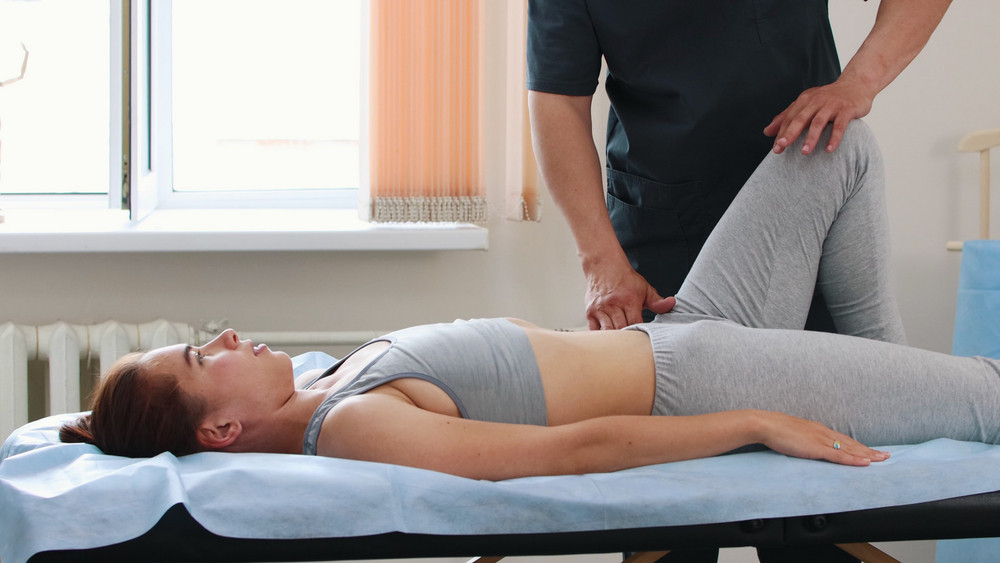
Physical therapy is a proactive approach that addresses current physical ailments and promotes long-term health. As people continue to live longer and the pace of life accelerates, there is a growing focus on maintaining well-being as we age. This article explores how engaging with physical therapy today can help prevent future health issues, with a specific look at spinal health, foot health, and the implications of an aging global population.
Maintaining Spinal Health
Spine pain is a common issue, affecting nearly half of all physical therapy patients today, according to recent reports. This indicates a pressing need to focus on spinal health before such issues escalate in severity. Physical therapy offers exercises and treatments specifically targeting spine health, enabling patients to manage pain and prevent chronic problems.
By addressing spine health proactively, individuals can avoid debilitating conditions later in life. Therapists use personalized programs to strengthen spinal muscles, enhance flexibility, and improve posture. This holistic approach not only addresses immediate pain but also builds resilience against future spinal issues.
Regular physical therapy sessions ensure that any minor spinal issues are identified and managed before they lead to significant impairments. This preventive mindset can reduce the likelihood of surgeries or long-term medication reliance. Engaging in physical therapy can serve as a vital component in a broader health strategy that ensures mobility and comfort in the later stages of life.
Addressing Foot and Heel Pain
Foot health is another critical area where physical therapy can make a significant difference. Market analysis reveals that over a third of adults suffer from heel pain, and up to three-quarters experience foot pain. Physical therapy can help manage these conditions through tailored interventions, reducing the risk of long-term complications.
Therapists employ various techniques to alleviate pain and improve function in the feet. Stretching, strengthening exercises, and gait training are common methods used to tackle foot and heel pain. These therapies not only alleviate current discomfort but also establish healthy movement patterns to prevent future pain.
Addressing foot pain early on can prevent mobility issues later in life. By incorporating physical therapy into one’s health routine, individuals can sustain their independence longer. This proactive management is essential as aging naturally brings challenges to mobility and physical function.
Coping with an Aging Population
The global population is aging rapidly, with projections indicating that by 2030, one in six people worldwide will be aged 60 or older. This demographic shift presents a range of health challenges that need proactive management. Physical therapy plays a crucial role in helping the elderly maintain their independence and quality of life.
As individuals age, the likelihood of experiencing musculoskeletal issues increases, often exacerbated by previous injuries or poor health habits. Physical therapy offers exercises and interventions tailored to the specific needs of older adults, focusing on improving balance, strength, and flexibility. This approach helps mitigate the risks associated with aging, such as falls and loss of independence.
By integrating physical therapy into their routine, older adults can enhance their quality of life. The benefits are not just physical; improved mobility and reduced pain can significantly enhance mental health and emotional well-being. Therefore, physical therapy acts as a vital preventive health measure for an aging population, reducing healthcare costs and enhancing life satisfaction.
Engaging in physical therapy serves as a strategic investment in one’s long-term health. By addressing spine and foot health issues early and preparing for the inevitable challenges of aging, individuals can preserve their quality of life. Proactive physical therapy not only alleviates current health concerns but also ensures a healthier future with sustained mobility and less chronic pain.
Incorporating physical therapy into one’s healthcare strategy promotes a more active and fulfilling lifestyle. This approach prepares individuals to face the physical demands of their later years with resilience and efficiency. Ultimately, physical therapy bridges the gap between maintaining immediate health and safeguarding against future health complications.
As we strive for longevity and quality of life, physical therapy emerges as a key player in this pursuit. By employing therapeutic interventions today, individuals can prevent a range of health issues that typically arise with age. Physical therapy fosters a holistic approach to health, ensuring that individuals can enjoy their later years with vitality and independence.

