
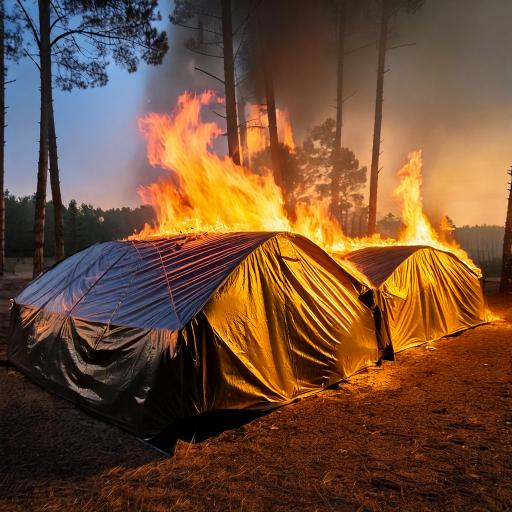
In environments where fire hazards are prevalent, ensuring the safety of structures and personnel is paramount. Fire tarpaulins play a crucial role in mitigating these risks. This comprehensive guide delves into the significance of fire tarpaulins, their applications, and essential considerations for selection to enhance safety and compliance.
Understanding Fire Tarpaulins
Fire tarpaulin are specialized protective covers designed to resist ignition and prevent the spread of flames. Constructed from materials treated with fire-retardant chemicals, these tarps are essential in various industries, including construction, agriculture, and event management. Their primary function is to shield equipment, structures, and personnel from fire hazards.
Importance of Fire Tarpaulins
The significance of fire tarpaulins extends beyond mere protection. They are instrumental in:
- Preventing Fire Spread: By acting as barriers, fire tarpaulins limit the movement of flames, thereby containing potential outbreaks.
- Enhancing Safety: Their presence ensures that workers and assets are shielded from fire risks, reducing the likelihood of injuries and damages.
- Compliance with Regulations: Many industries are mandated to use fire-retardant materials to meet safety standards. Utilizing fire tarpaulins aids in adhering to these legal requirements.
Types of Fire Tarpaulins
Fire tarpaulins come in various forms, each suited to specific applications:
- Fire Retardant PVC Tarps: Made from polyvinyl chloride, these tarps are known for their durability and resistance to flames. They are commonly used in construction sites and industrial settings.
- Fire Retardant Mesh Tarps: These tarps offer breathability while providing fire resistance. They are ideal for applications requiring ventilation, such as covering machinery or equipment.
- Fire Proof Building Protection Mesh Sheet: These are specialized mesh sheets designed to protect buildings from fire hazards. They are often used in areas prone to wildfires or in construction zones.
Applications of Fire Tarpaulins
The versatility of fire tarpaulins allows them to be utilized in various scenarios:
- Construction Sites: Protecting building materials and structures from fire hazards during construction activities.
- Agricultural Settings: Safeguarding crops and equipment from fire risks, especially in areas with dry conditions.
- Event Management: Ensuring the safety of outdoor events by covering stages, tents, and other structures susceptible to fire.
- Industrial Applications: Shielding machinery and equipment from potential fire outbreaks in factories and warehouses.
Selecting the Right Fire Tarpaulin
Choosing the appropriate fire tarpaulin involves considering several factors:
Material Composition
The material determines the tarp’s fire resistance capabilities. Options include:
- PVC: Known for its durability and flame resistance.
- Polyethylene: Lightweight and cost-effective, suitable for short-term use.
- Mesh: Offers ventilation while providing fire resistance.
Certification and Standards
Ensure that the fire tarpaulin complies with relevant safety standards, such as:
- NFPA 701: Standard for fire retardant textiles and films.
- ASTM E84: Standard test method for surface burning characteristics of building materials.
- EN 13501-1: European standard for fire classification of construction products.
Size and Coverage
Select a tarp that adequately covers the intended area. Measure the dimensions of the space to ensure proper fit and protection.
Durability and Maintenance
Consider the tarp’s resistance to environmental factors like UV rays, water, and abrasion. Opt for materials that offer longevity and require minimal maintenance.
Installation and Maintenance Tips
Proper installation and maintenance are crucial for the effectiveness of fire tarpaulins:
- Secure Attachment: Use appropriate fasteners to ensure the tarp remains in place during adverse weather conditions.
- Regular Inspections: Periodically check for signs of wear and tear, and replace damaged tarps promptly.
- Cleaning: Follow manufacturer guidelines for cleaning to maintain the tarp’s fire-resistant properties.
Conclusion
Fire tarpaulins are indispensable in safeguarding against fire hazards across various industries. By understanding their types, applications, and selection criteria, individuals and organizations can make informed decisions to enhance safety and compliance. Prioritizing the use of quality fire tarpaulins ensures a proactive approach to fire prevention and protection.

