
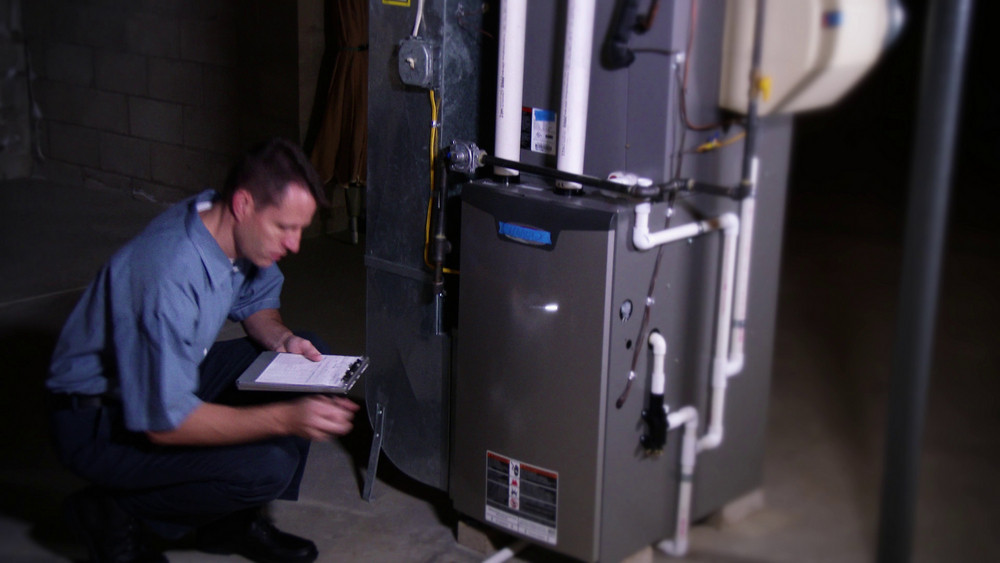
As the weather changes, many homeowners begin to assess the condition of their HVAC systems. This is an essential component in maintaining a comfortable home environment throughout the year. However, when it shows signs of failure, the dilemma often arises: should you repair or replace your HVAC system?
The Lifespan of Your HVAC System
Understanding the lifespan of an HVAC system is fundamental in deciding whether to repair or replace it. Typically, an HVAC unit that is properly maintained can serve a home for 15 to 25 years. During this period, routine maintenance and timely repairs can help extend its life and efficiency.
Aging HVAC units often start showing signs of wear and reduced efficiency, prompting the need to make a decision. Consider the frequency of repairs and the age of your system when evaluating its future. If your system is approaching the two-decade mark, it may be time to think about a replacement rather than repeated repairs.
Older systems might not only be susceptible to malfunctions but also may not be as energy-efficient as newer models. This efficiency can significantly impact the comfort of your home and its energy consumption. Investing in a new unit could bring long-term financial and environmental benefits.
The Prevalence of Air Conditioning in the U.S.
Air conditioning is a staple for most homes across the United States, providing relief from the summer heat. Statistics show that approximately 90% of residences in the country are equipped with some form of air conditioning system. This prevalence indicates the importance placed on maintaining home comfort and managing indoor air quality.
Despite this widespread adoption, many homeowners face the decision of whether to repair or replace their HVAC systems as they age. With such a significant investment in home comfort, it becomes crucial to weigh the pros and cons of each option. Considering factors such as cost, efficiency, and the age of the unit can guide homeowners in making an informed decision.
Given that nearly every home relies on an HVAC system, common issues such as inefficiency and frequent breakdowns need addressing. This is especially true in parts of the U.S. where temperature extremes are common. Regular maintenance and timely updates can help ensure that your system meets your needs.
Energy Efficiency and Cost Savings
Energy efficiency is a pivotal consideration when deciding between repairing or replacing an HVAC unit. Newer HVAC systems offer the potential to reduce energy bills by up to 20 to 40%, as they are designed with improved technology that optimizes performance. This translates to noticeable savings on monthly utility expenses for homeowners.
Although the initial investment in a new system might be significant, the operational savings over time can offset these costs. Reducing energy consumption is not only beneficial for your budget but also contributes positively to environmental conservation efforts. Homeowners seeking to lower their carbon footprint will find this an added advantage of investing in upgraded HVAC systems.
In addition to energy savings, newer models provide enhanced comfort features such as better humidity control and quieter operation. This improvement in indoor climate can make the home more livable and enjoyable. Therefore, upgrading becomes more than a financial decision; it is an investment in comfort and quality of life.
Making the Right Decision for Your Home
When your HVAC system starts to falter, careful consideration of repair versus replacement is necessary. Begin by assessing the condition, age, and repair costs of your current system. Comparing this information with the potential benefits of a new unit can clarify the most practical path forward.
Factor in the environmental advantages and cost savings from a more efficient system. While the allure of avoiding upfront costs might tempt homeowners to continue with repairs, a replacement may be the economically sensible choice in the long run. Ensuring a comfortable and energy-efficient home is the ultimate goal.
Ultimately, every home and family will need to evaluate their unique situation. Making a decision should involve considering future energy demands, possible technological advancements, and personal financial circumstances. Balancing these factors will guide you toward maintaining a comfortable and efficient household environment.
Choosing between repairing and replacing your HVAC system is an important decision that impacts your home’s comfort and your financial well-being. While repairs can extend the life of your system temporarily, investing in a new, efficient unit offers significant long-term benefits. By weighing the age, efficiency, and cost considerations, you can make an informed choice that aligns with your home needs and energy goals.
An HVAC system is an essential component that ensures the comfort and quality of life in your home. With the prevalence of air conditioning across the U.S., ensuring that your system is operating optimally becomes even more critical. When it starts showing signs of failure, evaluating the best course of action for repair or replacement prepares you for optimal home comfort.
Investing time to research your options will lead to a decision that is both financially and environmentally sound. Your commitment to maintaining an efficient home not only benefits your household but also helps manage resources and contribute to sustainability. Ultimately, this careful consideration guarantees a comfortable living space for years to come.

