
Key Takeaways
- Regular inspections of electrical outlets, cords, and appliances help prevent hazards.
- Monthly testing of GFCIs and alarm systems is essential for safety.
- Identifying early warning signs can stop small issues from becoming major risks.
- Licensed electricians should inspect older homes or houses with recent renovations.
Home electrical safety is a top priority for every homeowner. Unseen electrical issues can quickly escalate into dangerous situations, including fires and electric shocks. To help you reduce risks and keep your household safe, follow this comprehensive home electrical safety checklist. If you notice issues or need professional input, contacting a top-rated electrician in Lake Wylie ensures peace of mind and reliable service.
Whether your house is newly constructed or decades old, regular attention to electrical systems is crucial. Many electrical hazards are preventable with periodic checks and prompt responses to warning signs. Even small actions, like inspecting outlets, can have a lasting impact on safety for every member of your home.
In addition to prevention, it is essential to enhance your home’s functionality by integrating safe electrical upgrades and solutions. For instance, when adding or upgrading ceiling fans for comfort or energy efficiency, choosing professional ceiling fan installation ensures compliance with safety standards and minimizes risks.
Adopting a proactive approach makes your environment safer, especially when paired with education and the support of a licensed electrician for ongoing maintenance and inspections. Budgeting time for these safety checks can avoid future emergencies and costly repairs. For further information, see the Electrical Safety Foundation International’s guide to significant home electrical systems, which emphasizes the importance of vigilance in homes of all ages.
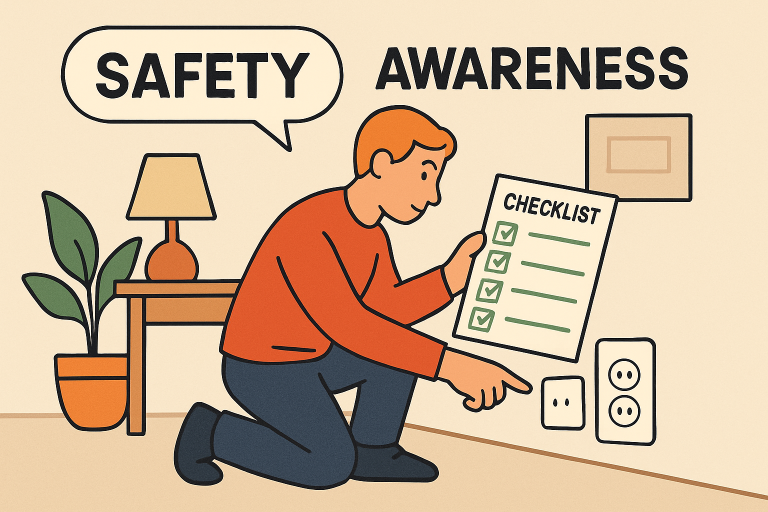
Inspect Electrical Outlets and Switches
Begin your safety routine by checking all electrical outlets and switches throughout your home. Look for visible signs of trouble, such as discoloration, scorch marks, or any unexpected warmth when touched. Loose outlets can indicate wear that may lead to poor or dangerous connections. These seemingly minor details could be early warnings of serious electrical faults. Immediate consultation with a licensed electrician is recommended if you observe any of these issues.
Examine Electrical Cords and Extension Cables
Power cords and extension cables often suffer from daily wear, yet are rarely inspected as thoroughly as they should be. Examine these regularly for fraying, cracking, or any signs of damage. Never overload extension cords by daisy-chaining multiple devices or by plugging high-wattage appliances into a single extension cord. Extension cords are meant for short-term solutions, not long-term use. Replace any cords that appear compromised to avoid fire or shock hazards.
Test Ground Fault Circuit Interrupters (GFCIs)
GFCI outlets are critical in protecting you from electric shock in areas prone to moisture, such as kitchens, bathrooms, garages, and outdoor locations. Testing them is straightforward: press the “Test” button to ensure the power cuts off, then hit “Reset” to restore power. Non-functional GFCIs should be replaced or checked by an electrician without delay. These small but vital components save lives by stopping current flow in hazardous conditions.
Check Smoke Detectors and Carbon Monoxide Alarms
While not strictly electrical, smoke detectors and carbon monoxide alarms are often hardwired into your home’s electrical grid. Test their alarms once a month and replace batteries at least once a year. Even if your detectors are connected to house wiring, backup batteries offer extra assurance during outages. It is also recommended to replace smoke detectors at least every 10 years and carbon monoxide alarms every 5 to 7 years. This keeps your alert systems up to date and reliable.
Be Alert to Warning Signs
Many electrical incidents are preceded by subtle indicators. Flickering or dimming lights may signal issues with circuits or wiring, while buzzing sounds from switches or outlets can indicate a loose or faulty connection inside the wall. A persistent burning smell, especially near devices or outlets, is an emergency and should be addressed right away. These symptoms point to potential fire hazards and must be evaluated as soon as they appear.
Schedule Professional Inspections
Homes constructed several decades ago, or those that have undergone significant renovations, may have outdated wiring or unintentional disruptions to their original electrical plan. It is crucial to arrange for a licensed professional to inspect the system. Electricians are trained to identify risks and determine whether your system meets current safety codes. If upgrades or repairs are necessary, they can recommend solutions tailored to your home’s condition and your family’s needs. Regular professional inspections not only improve safety but also help prevent costly repairs from undetected issues. For more information on what professional inspections entail, see the Better Business Bureau’s tips on hiring an electrician.
Educate Household Members
A well-informed family is your best defense against electrical accidents. Make sure everyone in the home, from children to adults, understands the basics: never overload outlets, keep electrical devices away from water, and recognize the signs of electrical faults. Subtle indicators precede many electrical incidents involving switches, appliances, or outlets. Education empowers everyone to act quickly and wisely in potentially hazardous situations, preventing accidents before they occur.
Conclusion
Routine care and maintenance of your home’s electrical system can help protect your loved ones and property from serious harm. Stay vigilant by performing these checks, watching out for warning signs, and calling in professionals when needed. Taking these actions means you are creating a safer, more secure environment for everyone who steps through your door.

