
The process of deciding on the right patio material is an essential aspect of home improvement. Each material comes with its own set of advantages and considerations, which can influence not only the aesthetics but also the functionality and value of your home. This article explores the benefits and potential downsides of brick, wood, and concrete patios, offering insights to help you make an informed decision tailored to your home improvement needs.
Brick Patios: A Timeless Choice
Brick patios are often praised for their classic appeal and durability. When opting for a brick patio, you choose a building material that can last an impressively long time. With a lifespan stretching over a century, brick is a formidable contender for any homeowner looking for longevity. This characteristic ensures that your patio remains a valuable addition to your home across generations.
In addition to longevity, brick patios offer an aesthetic that is hard to match. Their charming, rustic appearance can complement a wide variety of home styles, from traditional to modern. Brick can enhance the curb appeal of your home and provide a seamless transition between indoor and outdoor spaces. This visual continuity makes brick a versatile choice for exterior home improvement projects. While brick patios can be more expensive initially, their low maintenance requirements might make them a cost-effective option in the long run. Minimal upkeep is needed to maintain their stylish look, reducing the overall lifetime costs associated with them. Furthermore, their durability means fewer repairs or replacements, saving both time and money for the homeowner.
Wood Decks: A Natural Touch
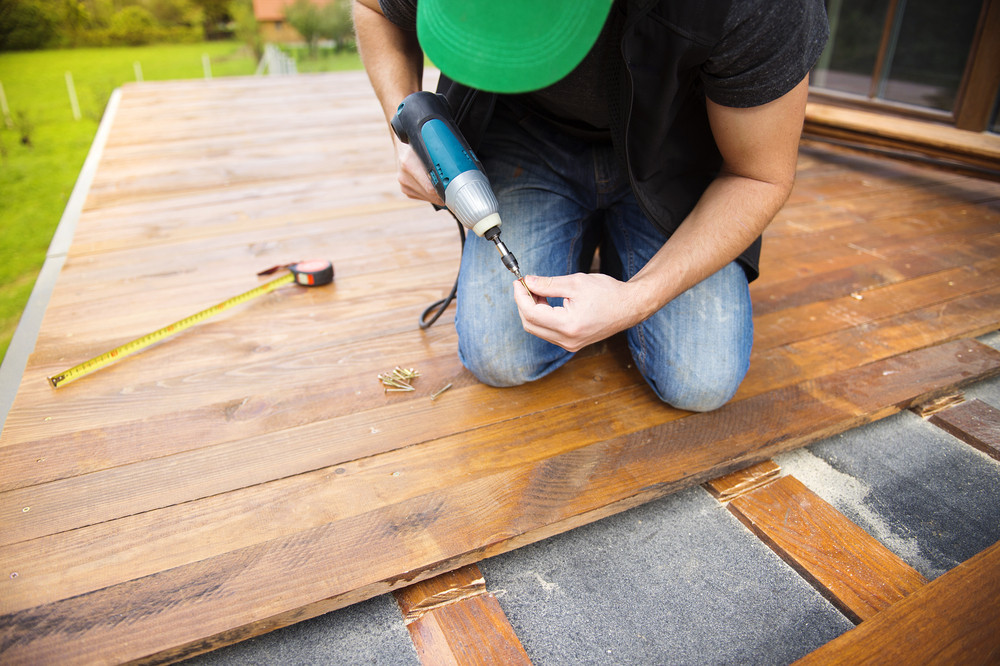
Wooden decks bring a touch of nature to any home, adding warmth and organic beauty. They are a popular choice due to their aesthetic flexibility and ease of customization. Homeowners often enjoy selecting different types of wood, stains, and finishes to achieve the desired look. This adaptability allows wooden decks to blend harmoniously with the surrounding landscape.
Another compelling reason to choose wood is its economic potential. Wooden decks can offer a return on investment (ROI) of over 50%, making them a financially savvy choice for home dwellers planning to sell in the future. This financial aspect is crucial for homeowners looking to boost their property’s market value while enjoying the benefits of a wooden deck. However, wood does require more upkeep compared to other materials. Regular sealing and staining are necessary to protect the wood from weather damage and maintain its appearance. This maintenance ensures your deck retains its charm and functional integrity, safeguarding your investment over the years.
Concrete Patios: Modern Versatility
Concrete patios offer a versatile solution for homeowners seeking a modern aesthetic. These patios can be easily customized with various finishes and colors to suit personal preferences. Whether opting for a sleek, polished look or a textured finish, concrete patios can match diverse architectural styles, providing flexibility for home improvement enthusiasts. One of the most significant advantages of concrete patios is their durability. With proper maintenance, they can last between 20 and 30 years, making them a cost-effective option when considering the longevity offered. This extended lifespan ensures that homeowners receive a long-term return on their investment while enjoying a sturdy and practical outdoor space.
Despite their robust nature, concrete patios may require occasional repairs to address surface cracks caused by weather fluctuations and ground movement. Regular upkeep, such as sealing and cleaning, will preserve the patio’s aesthetic and functional qualities. These proactive measures can help extend the lifespan of the concrete, reducing long-term costs associated with repairs or replacements.
Deciding on the right patio material is a crucial step in the home improvement journey. Brick offers timeless durability, wood provides a natural and valuable appeal, and concrete delivers modern versatility. By understanding the benefits and maintenance requirements of each option, homeowners can make informed decisions that enhance their living spaces. Ultimately, the choice depends on personal preferences and priorities, ensuring each patio aligns with the homeowner’s vision and lifestyle.

