
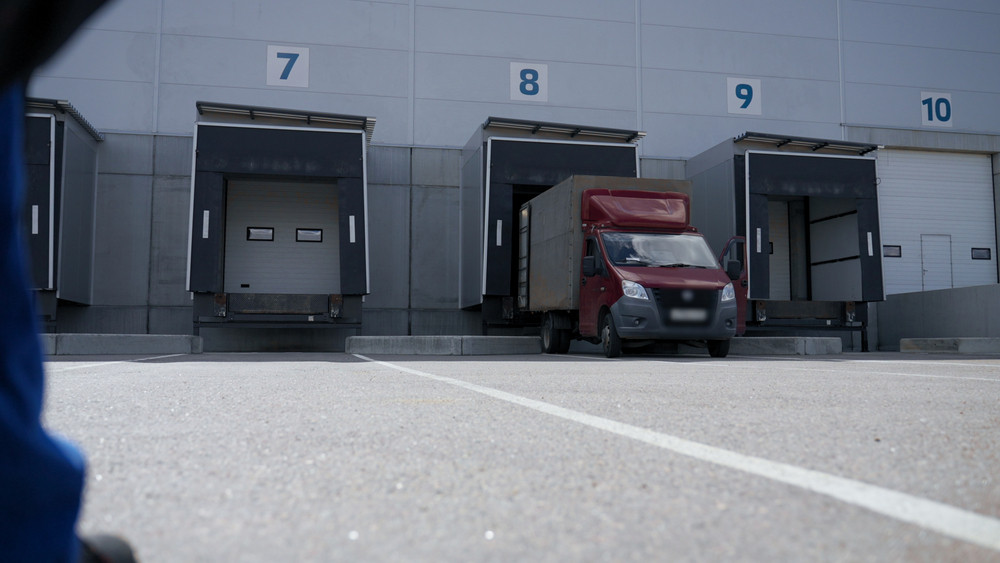
Businesses often find themselves heavily reliant on the efficiency and versatility of tractor trailers. This dependence is not merely a trend but a crucial backbone that supports the logistical frameworks of virtually every industry. As we delve into the reasons behind this reliance, it becomes clear that businesses have woven these vehicles into their operational DNA due to their unparalleled ability to move goods swiftly and efficiently across the nation.
The Backbone of Commerce: The Sheer Volume of Trucks
Tractor trailers are an integral part of the transportation network, largely due to the sheer number of trucks operating in the United States. To put this into perspective, according to Department of Transportation (DOT) indicates that there are approximately 15.5 million trucks actively operating within the country. Within this vast fleet, about 2 million are specifically tractor trailers, underscoring a substantial portion dedicated to heavy-duty transport.
This extensive network ensures that goods can be transported over long distances efficiently and supports seamless business operations. The presence of such a large fleet means businesses can rely on consistent and timely deliveries, which is paramount in maintaining supply chain fluidity. Without these vehicles, the logistical challenges would be insurmountable, and the ripple effects would be felt across various sectors, crippling business functionality.
Furthermore, according to Fleet Nerd, the U.S. has at least 12.5 million commercial trucks, signifying the vast scale of trucking operations. This redundancy in the number of vehicles available is a deliberate strategy to ensure operational resilience. Businesses can confidently leverage this redundant network to safeguard against disruptions, which is vital in today’s fiercely competitive marketplace.
Power and Capacity: Transporting Massive Loads with Ease
One of the most compelling reasons businesses prioritize tractor trailers is their capacity to handle enormous loads. For a standard tractor trailer, according to DOT guidelines, the maximum permissible load is about 80,000 pounds. This monumental capacity allows businesses to transport large quantities of goods in a single trip, maximizing efficiency and reducing costs.
The ability to carry such weighty cargoes ensures that supply chains operate at optimal levels, accommodating bulk shipments that are crucial for industries like retail and manufacturing. Businesses can thereby optimize their inventory turnover and reduce idle stock, which is key to improving profitability. Additionally, transporting larger loads reduces the frequency of trips, which in turn minimizes transportation costs, thereby optimizing resource allocation.
Moreover, this capability supports a wide range of industries with diverse logistical needs. From perishable goods requiring quick delivery to heavy machinery that needs secure and stable transport, tractor trailers provide the versatility needed to cater to these varying requirements. This flexibility adds immense value to businesses, enabling them to respond efficiently to fluctuating market demands.
Economic Impact: A Vital Economic Lever
The economic implications of tractor trailers extend far beyond the physical transportation of goods; they are a critical driver of the economy itself. The trucking industry, by employing millions of drivers and supporting personnel, contributes significantly to job creation and economic activity. This sector is a pivotal component of the national economy, sustaining countless ancillary businesses, from truck manufacturing to maintenance and support services.
Businesses benefit immensely from the job creation and economic stimulation driven by the trucking industry. A thriving trucking sector means stable and reliable transportation services, which are essential for business continuity and expansion. Without this economic base, many industries would struggle to maintain their operations and grow their market presence.
Furthermore, this economic force acts as a stabilizer, especially in times of economic uncertainty. As businesses build their logistical frameworks around tractor trailers, they inadvertently contribute to the stability and resilience of the larger economy. The reliance on this mode of transport supports a robust supply chain network that withstands various economic fluctuations, ensuring consistent business growth.
As we conclude our exploration into the symbiotic relationship businesses have with tractor trailers, it is evident that these vehicles are more than just a means of transport. They are vital cogs in the machinery of commerce, enabling efficiency, supporting economic stability, and fostering growth. Without tractor trailers, the modern business landscape would be starkly different, highlighting their indispensable role in shaping and supporting the economy.

