
Ensuring the safety of your home and its occupants from fire hazards is a crucial responsibility. With the increasing number of home fires each year, understanding fire prevention strategies can save lives. This guide walks you through essential practices every homeowner should adopt to maintain a safe and secure environment.
Understanding Electrical Hazards
Electrical equipment is a double-edged sword in modern homes, offering convenience while posing potential fire risks. According to recent data, malfunctioning electrical devices are responsible for approximately 140,000 fires in homes and workplaces annually. Regular inspections and maintenance of electrical systems can greatly reduce such risks.
A proactive approach includes checking for frayed wires, loose connections, and overheating appliances. Homeowners should also update old electrical systems to meet current safety standards. Installing ground-fault circuit interrupters (GFCIs) in areas prone to moisture adds another layer of protection.
Furthermore, unplugging appliances when not in use is a simple yet effective measure to prevent electrical fires. Encouraging family members to switch off devices promotes a collective responsibility for safety. Investing in quality surge protectors can also mitigate risks associated with electrical surges.
The Role of Smoke Detectors
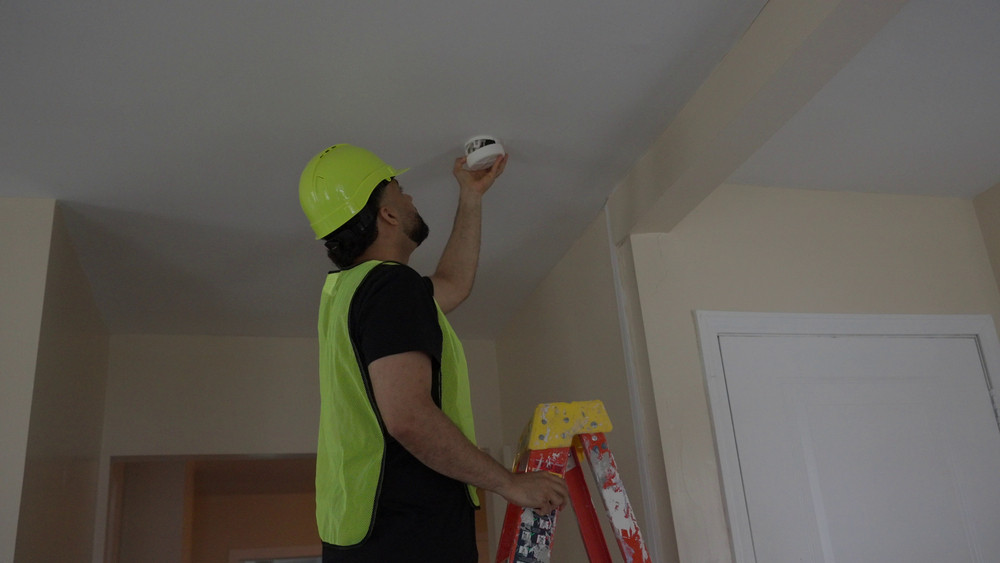
Smoke detectors are a cornerstone of home fire prevention strategies. They provide an early warning that can be the difference between a minor incident and a tragedy. On average, home fires result in the loss of seven lives daily in the United States, making these devices indispensable.
Placement of smoke detectors should be strategic, covering areas such as the kitchen, hallways, and near bedrooms. Regular testing and battery replacement should be part of every homeowner’s routine. Many modern detectors come with features such as voice alerts and interconnectivity, enhancing their effectiveness.
Choosing the right type of smoke detector, whether ionization or photoelectric, is also crucial. It depends on specific needs since different devices detect particular fire characteristics. Moreover, combination alarms offer dual protection by sensing both smoke and carbon monoxide.
Importance of Fire Sprinkler Systems
Fire sprinkler systems, used alongside smoke alarms, significantly enhance a home’s safety infrastructure. Statistics highlight that these systems can decrease the likelihood of dying in a home fire by 82% compared to having neither protection. Such systems are not just for commercial buildings; they are increasingly accessible for residential use.
Installing a residential sprinkler system is a forward-thinking investment. It not only offers peace of mind but also minimizes damage in the event of a fire. Many insurance providers offer discounts on premiums for homes equipped with sprinkler systems, emphasizing their value.
When considering a sprinkler system, it’s important to consult with professionals to ensure a proper fit for your home. These systems can be tailor-made to blend seamlessly with home structures. Committing to annual inspections ensures their optimal function and readiness for an emergency.
Developing an Effective Escape Plan
Creating and practicing an escape plan is an essential part of fire safety readiness. Each member of the household should be familiar with the plan, which comprises multiple exit routes and an outdoor meeting point. Regular drills reinforce the escape plan, reducing panic and confusion during a real emergency.
Fire safety experts recommend reviewing and updating the escape plan annually. This process should consider changes in the home layout or the addition of new family members. Escaping safely relies on clear, concise steps that all family members can follow without hesitation.
An effective escape plan also includes understanding the use of emergency ladders if bedrooms are on upper levels. Furthermore, educating children on the importance of staying low to avoid smoke inhalation can save lives. Parents should take a leadership role in practicing these scenarios to ensure preparedness.
Fire prevention is a critical aspect of home safety that requires diligence and preparedness. By addressing electrical risks, maintaining alert systems like smoke detectors, installing sprinkler systems, and rehearsing escape plans, you substantially reduce the threat of a home fire. Remember, protecting what matters most begins with informed actions and proactive measures.

