
When most people think of artificial intelligence, they picture a handful of large companies running proprietary models behind closed APIs. That’s only part of the picture. Open source ai has quietly grown into a genuine alternative, with models, tools, and full application stacks that anyone can inspect, modify, and run on their own terms.
The appeal isn’t just philosophical. Open source AI gives developers, small businesses, and privacy-conscious individuals a way to use advanced tools without being locked into a single vendor’s pricing, policies, or roadmap. This article looks at why that matters in practice and how to actually start building with open tools instead of defaulting to a closed platform.
What Sets Open Source AI Apart From Proprietary Services
Proprietary AI platforms control every layer of the experience: the model, the interface, the pricing, and the terms under which your data gets used. Open source ai flips that arrangement by making the underlying code, and often the model weights themselves, available for anyone to review and run independently.
This openness translates into real practical benefits. There’s no risk of a provider suddenly changing pricing tiers or discontinuing a feature you rely on, since you control the deployment yourself. It also means the community actively audits the code, which tends to surface security issues faster than a closed system where only internal engineers have visibility.
Common Concerns That Hold People Back From Open Source Tools
Despite the advantages, plenty of people stick with closed platforms simply because open source alternatives seem harder to approach.
Assuming It Requires Advanced Technical Skills
Early open source AI tools genuinely did require command-line comfort and a willingness to troubleshoot dependency conflicts. That barrier has dropped significantly as packaged platforms have emerged to handle installation and configuration automatically, making the entry point far more approachable than it used to be.
Worrying About Missing Support When Something Breaks
Open source doesn’t mean unsupported. Active communities, detailed documentation, and companies building products around open frameworks now provide the kind of troubleshooting help that used to be exclusive to paid, closed platforms.
Getting Started With a Self-Hosted Open Source Setup
Moving from theory to practice starts with picking the right foundation to build on.
Selecting a Platform Built for Everyday Use
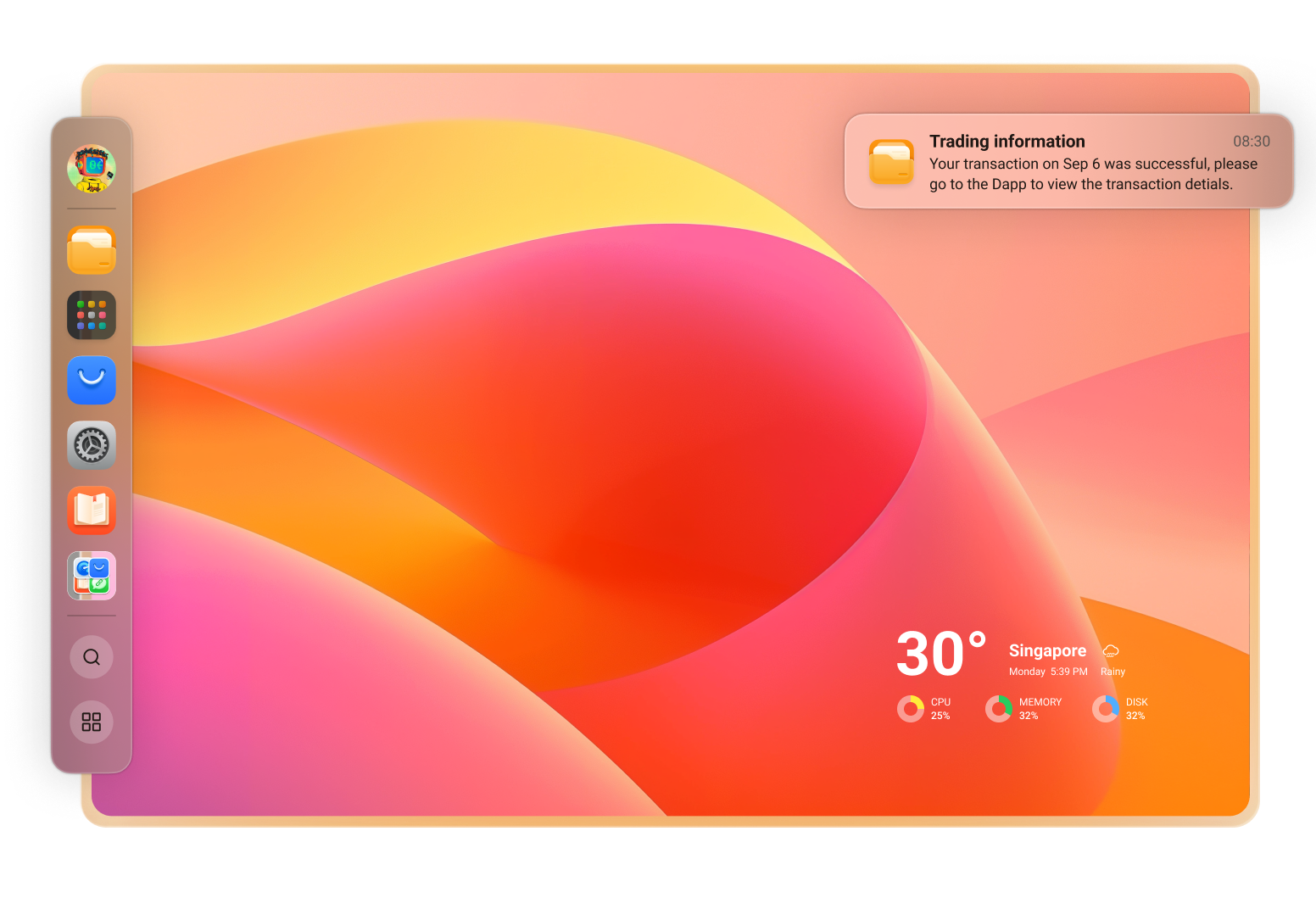
Rather than assembling individual open source projects from scratch, platforms like Olares package a complete environment where multiple open tools run together, from AI chat interfaces to file storage, all under one manageable system. This approach saves the significant time it would otherwise take to configure each component separately.
Running Your First Applications
Once a platform is set up, most people start with a single application, an AI chat tool or a media server, before expanding into more advanced use cases. Growing gradually this way keeps the learning curve manageable and lets you get comfortable managing your own open source ai environment before layering on additional tools.
Why Open Source AI Is Worth the Initial Learning Curve
Open source ai isn’t about rejecting convenience, it’s about redefining what convenience actually means. Instead of trusting a distant company’s roadmap, you get direct control over the tools, the data, and the costs involved in running your own AI systems.
As packaged platforms continue to lower the technical barrier to entry, open source AI is shifting from a niche hobbyist pursuit to a practical, everyday choice for anyone who wants more say over how their technology actually works.

