
It happens every year. The temperature drops, you nudge the thermostat up, and you wait for that familiar rush of warm air. But instead, nothing happens, or the furnace sputters, makes strange noises, or blows cold air. Suddenly you’re scrambling to find a technician while your home gets colder by the hour. The good news is that many of these heating headaches can be avoided with a little preparation. Here’s how to make sure your heating system is ready before winter really sets in.
Why the First Cold Night Is So Risky
Your furnace spends months sitting quietly during the warmer seasons. Dust settles on its components, parts that haven’t moved in a while can stick or wear, and small problems that developed at the end of last winter may still be waiting to surface. The first time it’s asked to run for hours, those issues tend to show up all at once.
That timing is no coincidence. According to The Spruce, a furnace is most likely to break down on the first cold night after sitting unused all summer. That’s often when demand for repair services is highest, which can mean longer wait times and higher emergency rates.
The best way to avoid that scenario is to test your system early. Turn on the heat on a mild fall day and let it run for a while. Listen for unusual sounds like banging, squealing, or rattling, and pay attention to strange smells beyond the usual brief dusty odor of first use. If anything seems off, schedule a professional tune-up before cold weather arrives. A technician can clean components, check the ignition and safety controls, and catch worn parts before they fail.
Keep Your Filter Fresh
One of the simplest and most overlooked parts of furnace care is the air filter. The filter traps dust, pet hair, and other particles before they circulate through your home. When it gets clogged, your furnace has to work harder to push air through, which can reduce comfort, raise energy use, and put extra strain on the system.
A regular routine makes a big difference. According to This Old House, you should check your furnace filter every month and replace it at least every three months for the best performance. Homes with pets, allergies, or lots of dust may need to change filters even more often.
Write the date on each new filter or set a reminder on your phone so you don’t lose track. Keep a few spare filters on hand in the correct size, and make sure the arrow on the filter points in the direction of airflow when you install it. It’s a quick task that can help prevent breakdowns and keep your home’s air cleaner.
Don’t Forget the Ductwork
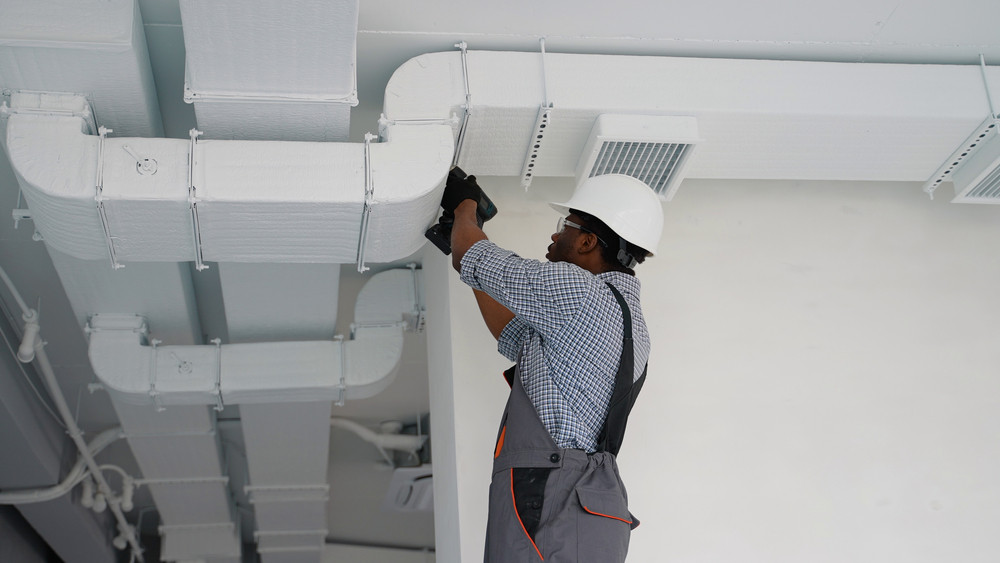
Your furnace may get most of the attention, but the ducts that carry warm air throughout your home are just as important. Leaks, loose connections, and crushed or damaged sections can let heated air escape into attics, crawl spaces, and walls before it ever reaches your rooms.
Ductwork doesn’t last forever. Today’s Homeowner reports that ducts typically last 15 to 20 years before they need to be replaced. If your home’s ductwork is approaching that age, it may be time for a professional inspection.
Signs of duct problems include rooms that never seem to warm up, excessive dust, rattling or whistling noises, and rising heating bills. A technician can test for leaks, seal gaps, and let you know whether repairs or a full replacement make the most sense.
Stay Warm All Winter Long
A little preparation now can save you from a cold, stressful night later. By testing your furnace before the first cold snap, keeping up with filter changes, and checking the condition of your ductwork, you can keep your home warm, comfortable, and ready for whatever winter brings.

