
As the colder months approach, ensuring your home’s heating system is functioning optimally becomes a priority. Preparing for winter involves more than just turning the thermostat up; it requires thorough attention to your furnace and ductwork. A proactive approach can significantly prolong the efficiency and lifespan of your heating system.
Understanding Your Furnace’s Efficiency
If your furnace is particularly old, you could be experiencing heat loss of up to 40% within your home. This inefficiency not only affects how warm your space feels during winter but also impacts your utility bills. Maintaining your furnace is not just about comfort; it’s also about financial efficiency and energy conservation.
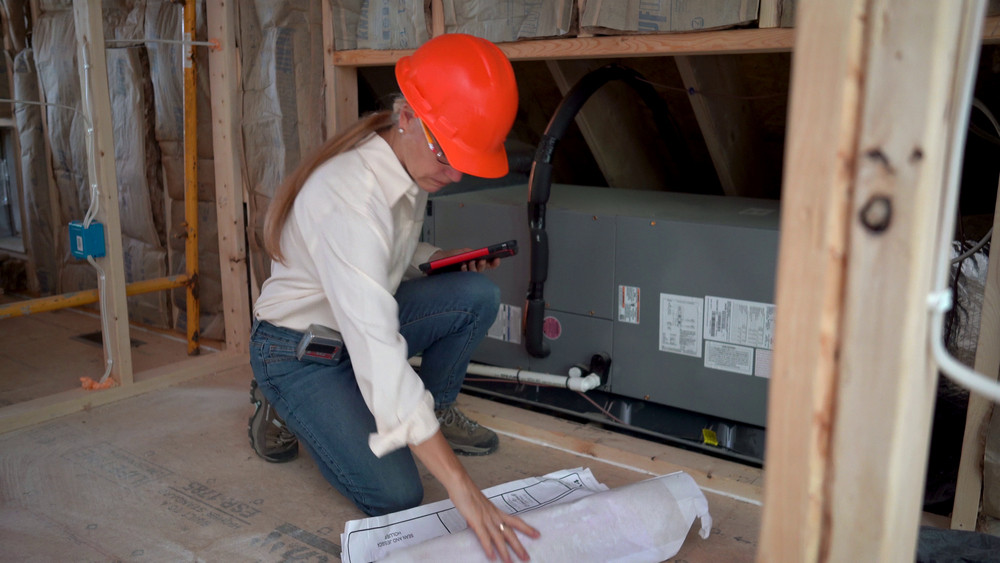
A thorough inspection of your furnace should be carried out before the onset of winter. Regular maintenance like cleaning or replacing filters, checking the fan belts, and calibrating the thermostat ensures the system operates smoothly. Addressing small issues promptly can prevent significant breakdowns during the coldest months.
Consider consulting with a professional to assess the condition of your furnace. Experienced technicians can provide advice on whether repairs are feasible or if it’s time to invest in a new system. The lifecycle of a well-maintained furnace ranges from 15 to 25 years, making timely interventions essential.
Tackling Ductwork Dilemmas
Ductwork is a critical component when it comes to efficient heating. Airflow can be reduced by up to 30% due to leaks and improperly sealed ducts, undermining the performance of your furnace. Understanding the anatomy of your ductwork and seeking professional assessments can address hidden losses.
Regular checks for leaks or blockages should be part of your seasonal maintenance routines. Even small holes or improperly sealed joints can lead to significant energy wastage. Sealing leaks in the duct system can improve airflow and ensure that warm air reaches every corner of your home.
Professional duct cleaning not only improves air quality but also enhances the heating system’s efficiency. Clear ducts allow for better airflow and reduce unnecessary strain on the furnace. Incorporating duct maintenance into your regular home upkeep ensures a warm and cost-effective winter.
Investing in Upgrades and Maintenance
If you find that your home is not as warm as expected, despite the heating system’s best efforts, it might be time for an upgrade. Technology advancements mean newer systems are more efficient, reducing heat loss and energy costs over time. Investing in new systems might have a higher upfront cost, but the long-term savings and benefits are undeniable.
Consider changes beyond just the furnace and ductwork. For example, older window AC units can contribute to heat loss due to inadequate sealing. Upgrading to more energy-efficient models or ensuring existing installations are adequately insulated can contribute to maintaining heat within the home.
Enhancements like smart thermostats allow for precise control over heat distribution. This can maximize comfort while minimizing cost when used alongside a modern, efficient heating system. Investing in both new technology and regular maintenance supports a cozy home environment.
Preparing your home’s furnace and ductwork system for winter is an investment both in comfort and financial savings. Addressing inefficiencies, whether it’s upgrading systems or sealing ductwork, ensures warm, energy-efficient living conditions. This proactive approach helps maintain a balance between cozy winters and eco-friendly practices.

