
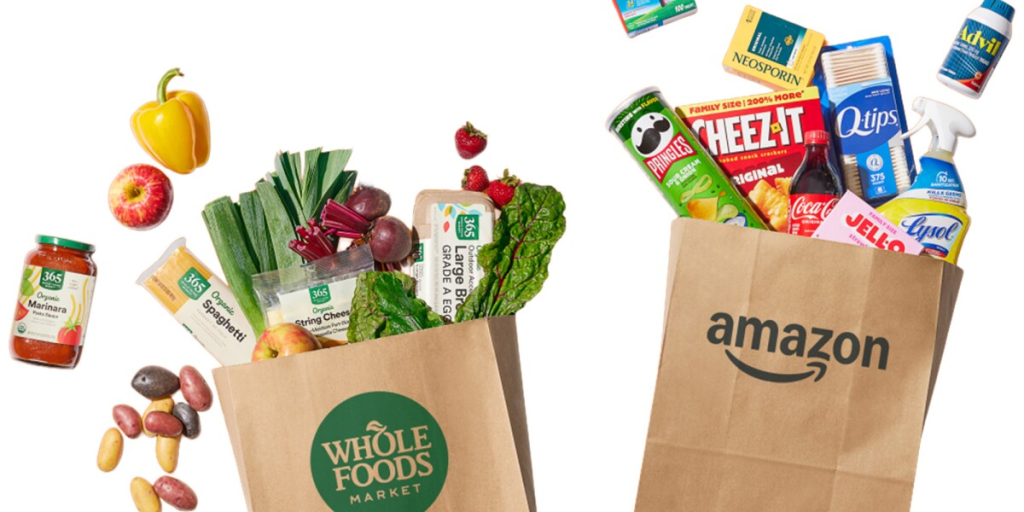
Amazon may be the best-known leader in retail media, but the broader market is expanding rapidly. Retailers are transforming their websites, apps, shopper data, and physical store relationships into advertising ecosystems that help brands reach consumers closer to the point of purchase.
Among the major retail media networks gaining attention, Whole Foods stands out because of its valuable audience, strong grocery positioning, and connection to Amazon’s wider technology and advertising ecosystem. For brands selling premium, natural, organic, and health-oriented products, Whole Foods offers an especially relevant environment for reaching high-intent shoppers.
RMIQ helps advertisers navigate this growing landscape through an AI-powered platform designed to connect and manage campaigns across multiple retail media networks. Its integrations cover grocery, general merchandise, specialty retail, and regional retailers, giving brands a more unified approach to retail media.
Amazon Remains the Retail Media Benchmark
Amazon established the model that many retail media networks now seek to emulate. Its advertising business combines extensive first-party shopping data with sponsored product placements, display advertising, video, and measurement capabilities.
The company’s scale makes it a natural starting point for retail media strategies. Nevertheless, concentrating every advertising dollar within one marketplace can limit a brand’s ability to reach consumers during other important shopping occasions.
Retailers such as Whole Foods, Walmart, Target, Kroger, Instacart, Sprouts Farmers Market, and Staples give advertisers access to distinct audiences and product categories. These networks allow brands to extend their reach beyond Amazon while using retailer data to connect with consumers who are actively considering a purchase.
Why Whole Foods Tops the List
Whole Foods occupies a distinctive position among major retail media networks. Its shoppers are often interested in product quality, nutrition, sustainability, ingredient transparency, and specialized dietary needs. This makes the retailer particularly relevant to brands in categories such as organic food, beverages, supplements, personal care, household products, and wellness.
The retailer also benefits from its relationship with Amazon. That connection creates opportunities to combine a trusted grocery brand with the data, technology, and digital experience associated with the wider Amazon ecosystem.
Whole Foods therefore represents more than another place to display an advertisement. It gives suitable brands an opportunity to communicate with a clearly defined audience in a context where product values, quality, and differentiation can strongly influence purchasing decisions.
Grocery Networks Capture High-Intent Consumers
Retail media is particularly effective in grocery environments because purchases happen frequently. Consumers may shop several times per month, creating recurring opportunities for brands to build awareness, encourage trial, and support repeat purchases.
Whole Foods is part of a broader grocery media landscape that includes Instacart Ads, Kroger, Sprouts Farmers Market, and regional retail networks. Each platform provides a different combination of shoppers, product availability, geographic coverage, and buying behavior.
Managing these networks separately can create operational challenges. Advertisers may need to work with multiple dashboards, campaign structures, reports, and optimization methods. A cross-retailer platform such as RMIQ can help consolidate performance information and make it easier to coordinate campaigns across grocery environments.
Walmart Adds Unmatched Retail Scale
While Whole Foods offers a differentiated premium grocery audience, Walmart provides extensive reach across grocery, household goods, electronics, apparel, beauty, and many other categories. Its combination of physical stores, e-commerce activity, and first-party shopper data makes Walmart Connect an important part of many retail media plans.
Advertising effectively through Walmart requires an understanding of campaign types, product visibility, keyword selection, bidding, measurement, and marketplace dynamics. RMIQ’s Walmart advertising guide explains how brands can approach Walmart Connect and use its advertising options to reach shoppers throughout the purchasing journey.
Whole Foods and Walmart can play complementary roles within the same strategy. Whole Foods may help a brand reach consumers with particular interests or product preferences, while Walmart can deliver broader national exposure and substantial sales volume.
A Unified Approach to Major Retail Media Networks
The growth of retail media has introduced a fragmentation problem. Every network has its own audiences, advertising products, reporting standards, and campaign tools. Although greater choice benefits advertisers, managing that choice efficiently can become difficult.
RMIQ addresses this challenge by giving brands and agencies a centralized platform for cross-network retail media management. Its AI-powered technology can analyze performance across participating networks, reveal optimization opportunities, and support more informed budget allocation.
A unified view helps marketers answer practical questions: Which retailer is generating the strongest results for a particular product? Where should additional budget be invested? Which campaign structures are underperforming? How does customer behavior differ across retail environments?
These insights allow teams to make decisions based on the wider retail ecosystem instead of assessing every network in isolation.
Retail Discovery is Moving Beyond Traditional Search
Consumers do not discover products exclusively through retailer search bars or conventional search engines. They increasingly use conversational assistants, generative platforms, retailer recommendations, social content, and other AI-powered tools to research products and compare options.
This change makes AI search an important consideration for brands developing long-term visibility strategies. Companies need clear, useful, and well-structured information that both consumers and automated systems can understand.
Retail media and AI-focused search strategies can support different stages of the same customer journey. Search visibility helps a brand appear while consumers are researching needs and possible solutions. Retail media then places relevant products in front of shoppers when they are closer to making a purchase.
Brands that coordinate these channels can build a more complete acquisition strategy—one that supports early discovery, product evaluation, and final conversion.
Balancing Reach, Relevance, and Performance
No single retail media network is ideal for every brand. Amazon offers extraordinary scale and advertising maturity. Whole Foods provides access to a differentiated grocery and wellness audience. Walmart combines broad reach with substantial omnichannel purchase data, while networks such as Instacart, Target, Kroger, and Sprouts create additional opportunities to reach consumers in relevant retail settings.
The strongest strategy depends on a brand’s products, customers, distribution, margins, and growth objectives. Brands should evaluate not only audience size but also product availability, competitive intensity, campaign costs, measurement quality, and the likelihood that a retailer’s shoppers will purchase the advertised products.
RMIQ enables advertisers to compare and manage these opportunities through a connected platform. By combining cross-network access with AI-assisted analysis, the platform helps teams reduce complexity and make more strategic decisions about retail media investments.
Beyond Amazon: The Future of Retail Media
Amazon will remain a central force in retail media, but the category’s future will be increasingly diverse. Whole Foods tops the list of major networks to watch because it combines a valuable consumer audience, a strong retail identity, and a close relationship with the established retail media leader.
At the same time, Walmart, Instacart, Target, Kroger, Sprouts Farmers Market, Staples, and regional retailers give brands many additional ways to reach shoppers. The opportunity is no longer limited to choosing one dominant platform. It lies in building a coordinated presence across the networks that matter most to each brand.
RMIQ, via centralized campaign management, cross-network insights, and AI-powered optimization, allows brands and agencies to move beyond isolated retail campaigns and develop a more cohesive strategy for reaching consumers throughout the modern shopping journey.

