
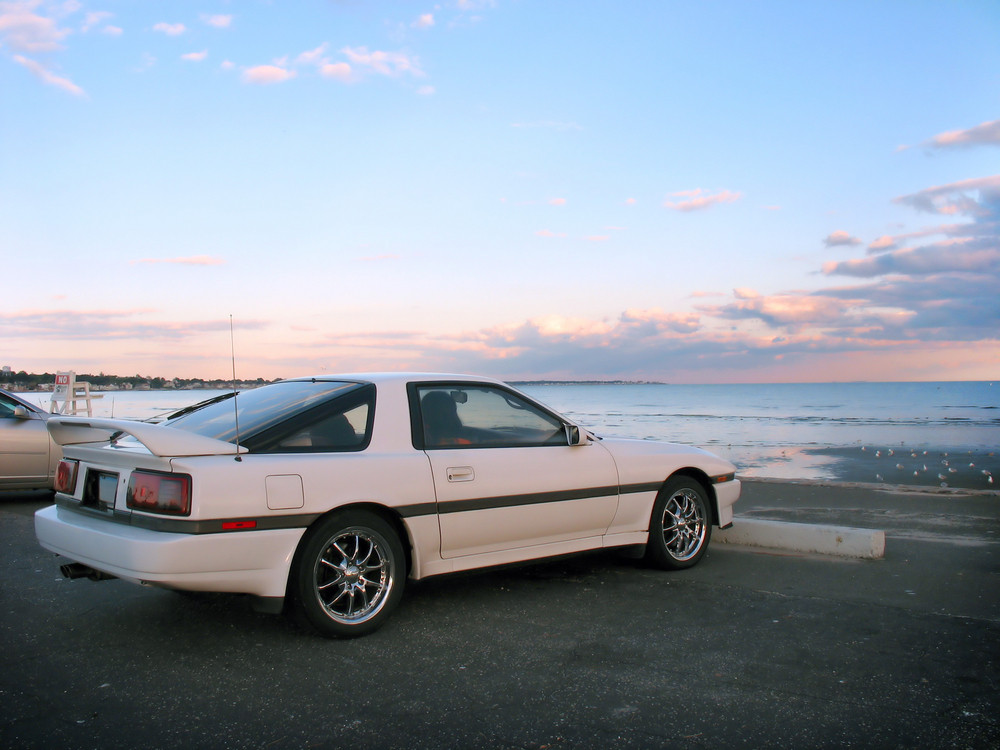
Vehicle customization has moved well beyond niche car shows and enthusiast circles. Today, many drivers personalize their cars to improve appearance, performance, or everyday driving comfort. From a fresh paint job to upgraded wheels and tires, customization allows owners to make their vehicles feel more personal and functional. Understanding the motivations, costs, and long-term considerations behind common upgrades can help drivers make smarter decisions before investing in modifications.
Why Car Customization Is So Popular
Customizing a vehicle gives owners the ability to express personal style while tailoring a car to specific needs. Some drivers focus on aesthetics, such as color changes, decals, or wheel upgrades, while others prioritize performance or durability. Even small adjustments can significantly change how a car looks and feels on the road.
This growing interest in personalization is widespread. According to SEMA, approximately 33% of car owners customize their vehicles in some way. This statistic reflects how mainstream customization has become, extending beyond hobbyists to everyday drivers. Whether it’s subtle enhancements or more noticeable upgrades, customization offers flexibility that factory options often don’t.
Another reason customization remains popular is resale and satisfaction. While not all upgrades increase vehicle value, the right modifications can improve owner satisfaction and extend a vehicle’s usability. Drivers who understand their goals—whether visual appeal, off-road capability, or smoother commuting—are more likely to make upgrades that pay off long term.
Understanding the True Cost of a Paint Job
A new paint job is one of the most visible ways to customize a car, but it’s also one of the most misunderstood in terms of cost. Many drivers focus solely on the final color without realizing how much preparation work goes into achieving a quality finish. Proper prep is critical for durability, smoothness, and overall appearance.
According to Bankrate, the cost of a standard paint job generally falls between $500 and $5,000 and typically includes sanding the vehicle’s body and addressing rust before applying paint to achieve a clean, attractive result. The wide range reflects differences in paint quality, labor, and the level of surface preparation required. A lower-cost job may focus on cosmetic improvement, while higher-end options prioritize longevity and detail.
Choosing the right paint job depends on expectations. If the goal is a short-term refresh, a basic option may suffice. For long-term ownership or resale appeal, investing in proper preparation and higher-quality materials can prevent peeling, fading, and corrosion over time.
Choosing Tires That Match Your Driving Style
Tires are another critical customization that directly affects performance, safety, and maintenance costs. Drivers often upgrade tires to suit specific conditions, such as off-road driving, towing, or year-round versatility. However, each tire type comes with trade-offs that should be considered carefully.
According to NerdWallet.com, an all-terrain tire can last around 40,000 miles but typically wears out faster than a highway tire. All-terrain tires offer better traction on dirt, gravel, and uneven surfaces, but their more aggressive tread patterns lead to quicker wear on paved roads. Highway tires, by contrast, are designed for smoother rides and longer tread life under everyday driving conditions.
When selecting tires, drivers should consider how they use their vehicle most often. A rugged look or off-road capability may be appealing, but frequent tire replacement can increase long-term costs. Matching tire choice to driving habits helps balance performance with durability and value.
Balancing Style, Performance, and Budget
Successful vehicle customization comes down to balance. Each upgrade—whether paint, tires, suspension, or wheels—affects not only appearance but also maintenance and operating costs. Budgeting for both upfront expenses and long-term upkeep is essential.
It’s also important to prioritize modifications that align with how the vehicle is used daily. Cosmetic changes may improve satisfaction, while functional upgrades can enhance safety or comfort. Researching options, comparing materials, and consulting professionals can prevent costly mistakes and ensure upgrades deliver real benefits.
Customizing your car offers an opportunity to personalize your driving experience while improving style or functionality. With around 33% of car owners making some form of modification, customization is clearly a mainstream choice rather than a niche hobby. Understanding the true cost of paint jobs, the performance trade-offs of tire choices, and the long-term implications of each upgrade allows drivers to make informed decisions. When approached thoughtfully, customization can enhance both the enjoyment and practicality of your vehicle without unnecessary expense.

