
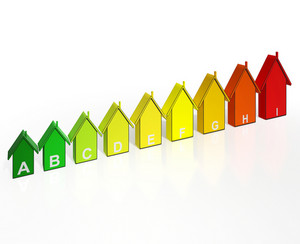
In today’s world, energy efficiency is more crucial than ever for homeowners looking to reduce utility costs and decrease their environmental footprint. High-impact upgrades not only contribute to a more sustainable living environment but also enhance the comfort and market value of a home. This article delves into effective strategies and considerations for achieving maximum energy efficiency through significant home improvements.
Eco-Friendly Water Heating Solutions
Water heating is a major component of home energy usage, often comprising a significant portion of utility bills. According to the U.S. Department of Energy, tankless water heaters present an ideal solution, offering a 24–34% increase in energy efficiency compared to their traditional counterparts. By switching to a tankless system, homeowners can significantly reduce both energy consumption and water usage, ultimately resulting in substantial savings.
When seeking to improve energy efficiency in a home, it is essential to consider the installation of advanced water heating systems. Traditional heaters continuously maintain a reservoir of hot water, which can be wasteful. In contrast, tankless models heat water on demand, providing hot water only as needed, thereby optimizing energy and resource use.
Incorporating tankless water heaters not only supports sustainability efforts but also enhances overall home efficiency. Homeowners may also find it beneficial to invest in energy-efficient fixtures you install to complement such systems. This comprehensive approach helps maximize the energy efficiency gains from these modern water heating upgrades.
Smart Window Treatments and Insulation
Windows play a pivotal role in a home’s energy efficiency, especially in terms of heat retention and loss. According to Worldmetrics, a significant 68% of American consumers give priority to energy efficiency when selecting blinds and window coverings. Smart window treatments, combined with effective insulation, are pivotal in maintaining consistent indoor temperatures, reducing reliance on heating and cooling systems.
Innovative window products such as cellular shades, insulating shutters, or films are designed to improve thermal performance. They help minimize heat gains in the summer and heat losses during the winter. Furthermore, these treatments also offer additional benefits like reducing glare and protecting interior furnishings from sun damage.
For optimal results, it’s advisable to pair these treatments with traditional methods of insulating windows. Homeowners can invest in high-performance window glazing or thermal break technologies to prevent drafts and improve energy savings further. By tackling window inefficiencies, one can significantly contribute to a more energy-conscious and comfortable home environment.
Incentives and Financial Benefits
The financial aspect of implementing energy-efficient upgrades is often a primary concern for homeowners, but various incentives are available to mitigate these costs. According to the U.S. Department of Treasury, in 2023 alone, over 3.4 million American families availed themselves of $8.4 billion in tax credits to offset expenses related to clean energy and energy-efficient home improvements. Such incentives underscore the importance and accessibility of adopting energy-efficient solutions.
These incentives can cover a wide range of improvements, from installing solar panels to upgrading insulation and other energy-efficient features. When planning home renovation projects, it’s beneficial for homeowners to explore potential rebates and credits available at local, state, or national levels. Leveraging these financial benefits reduces the upfront costs and accelerates the return on investment in energy-efficient renovations.
Beyond government credits, additional incentive programs may be offered by utility companies or green energy providers. Homeowners should research available options, ensuring they receive maximum benefits. These financial aids not only support individual energy-efficiency goals but also contribute to broader environmental sustainability efforts.
In conclusion, achieving maximum home energy efficiency requires strategic upgrades that target water heating solutions, window treatments, and the integration of available financial incentives. By adopting these practices, homeowners can enjoy significant cost savings while fostering a greener, more sustainable living environment. Investing in energy efficiency is not just a smart choice for economic reasons but also a crucial step towards enhancing the overall quality and eco-friendliness of one’s home.

