
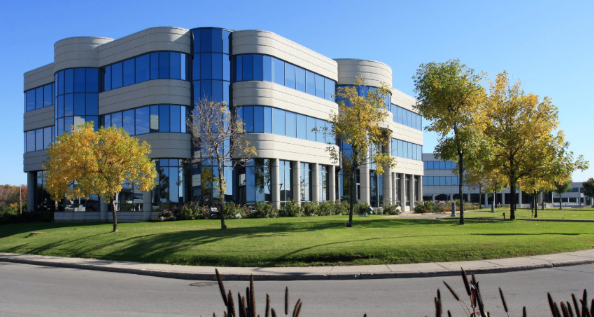
Commercial architecture is about more than constructing a functional building; it is also about creating a space that reflects a company’s identity and purpose. The design of a commercial property influences how clients, customers, and employees experience the brand. At the same time, buildings must meet performance standards related to safety, efficiency, and long-term usability. Many businesses working with commercial architects in Atlanta want spaces that communicate professionalism while also supporting daily operations. Achieving this balance requires architectural expertise that blends creative branding with technical building requirements. Thoughtful commercial design ensures that aesthetics and performance work together rather than competing. This approach results in spaces that are both visually meaningful and structurally effective.
The Role of Architecture in Expressing Brand Identity
Brand identity is often communicated through design elements such as layout, materials, lighting, and exterior appearance. Commercial architects create environments that align with a business’s values, industry, and customer expectations. A modern retail space may emphasize openness and engagement, while a corporate office may focus on professionalism and efficiency.
Architectural design becomes a physical representation of the brand. Through intentional choices, architects ensure that the building supports recognition, trust, and a consistent experience for visitors and staff.
Building Performance and Functional Requirements
While brand expression is important, commercial buildings must also perform effectively. Performance includes structural integrity, energy efficiency, accessibility, and compliance with safety regulations. Architects consider HVAC systems, natural lighting, traffic flow, and material durability to ensure that the building supports long-term functionality.
A high-performing commercial space reduces operational costs, improves comfort, and supports productivity. This technical side of design is essential for ensuring that the building remains practical as business needs evolve.
Integrating Design with Efficiency and Sustainability
Modern commercial architecture often prioritizes sustainability alongside performance. Architects incorporate materials and systems that reduce environmental impact while maintaining aesthetic value. Energy-efficient windows, optimized insulation, and sustainable finishes contribute to both building performance and brand perception.
Businesses increasingly view sustainability as part of their identity, and architectural choices help reinforce this through responsible design strategies that also enhance long-term efficiency.
Custom Solutions for Industry-Specific Spaces
Different industries require different architectural priorities. Restaurants, healthcare facilities, retail stores, and corporate offices each have unique functional needs. Commercial architects tailor layouts and structural planning to support specific workflows while maintaining brand consistency.
Professional design ensures that spaces are not only attractive but also practical for employees and customers. This customization helps businesses create environments that feel intentional and aligned with their operational goals. One should know what questions to ask before hiring a commercial architect so that the project moves forward with clear expectations, strong planning, and long-term performance in mind.
Long-Term Value Through Balanced Architectural Planning
The most successful commercial spaces are those that remain adaptable, efficient, and visually relevant over time. Architects plan for future growth, changing business needs, and long-term durability. This ensures that brand identity remains strong while building performance continues to support operations. By balancing design creativity with technical precision, commercial architects create spaces that deliver lasting value for businesses and communities.
Conclusion
Commercial architects balance brand identity with building performance by combining creative design with technical expertise. Through thoughtful planning, they create spaces that reflect a business’s character while meeting essential standards for safety, efficiency, and functionality. This balance results in commercial environments that support both brand presence and long-term operational success.

