
Key Takeaways
- Custom homes offer individualized living spaces, tailored to match personal tastes and modern lifestyles.
- Sustainable building practices and energy-efficient technologies foster eco-friendly, cost-effective living.
- Smart technology integration makes daily life more convenient, secure, and efficient.
- Open-concept layouts, natural materials, and wellness spaces are among the key design trends influencing modern custom homes.
Custom homes have become the cornerstone of contemporary living, offering homeowners seamless opportunities to tailor their environments to suit their unique needs and preferences. This movement towards custom homes is not just about aesthetics; it’s a holistic shift influencing everything from design trends to sustainability and technological integration. As more families and individuals demand spaces that align with their lifestyles, custom homes are setting new benchmarks for what it means to live well.
The desire for homes that feel truly individual has also led to a surge in features such as energy-efficient upgrades and smart automation. Today’s buyers seek living spaces that promote health, wellness, and convenience, while also minimizing environmental impact. Personalized layouts, natural materials, and adaptive features are all contributing to a more flexible, future-ready way of life.
In this context, it’s important to recognize how custom homes reflect broader social and environmental priorities. They are not merely about showcasing personal style, but about creating comfortable, high-performing sanctuaries that can adapt as needs evolve. This is especially relevant in the current era, where adaptability and sustainability are fundamental values in home design.
Personalized Design for Individual Lifestyles
A major appeal of custom homes lies in the opportunity to craft spaces that reflect and support an owner’s routines and priorities. For example, professionals may opt for acoustically insulated home offices; fitness enthusiasts might specify dedicated gyms, and entertainers can create expansive kitchen-dining-lounge areas ideal for gatherings. This tailored approach enables every zone in the house to serve a specific purpose, enhancing daily comfort and increasing long-term satisfaction with the home’s functionality.
Sustainable and Eco-Friendly Practices
The drive toward sustainability has never been stronger in the residential construction industry. Builders and remodeling contractors now employ reclaimed wood, recycled metals, bamboo, and other environmentally friendly materials to create sustainable living environments. Many custom homes are further equipped with solar panels, tankless water heaters, high-efficiency windows, and smart thermostats to minimize ecological footprints and reduce monthly utility costs. According to resources from Architectural Digest, working with an experienced remodeling contractor who prioritizes sustainable building materials not only helps conserve natural resources but also improves indoor air quality and enhances the long-term durability of the home.
Integration of Smart Home Technologies
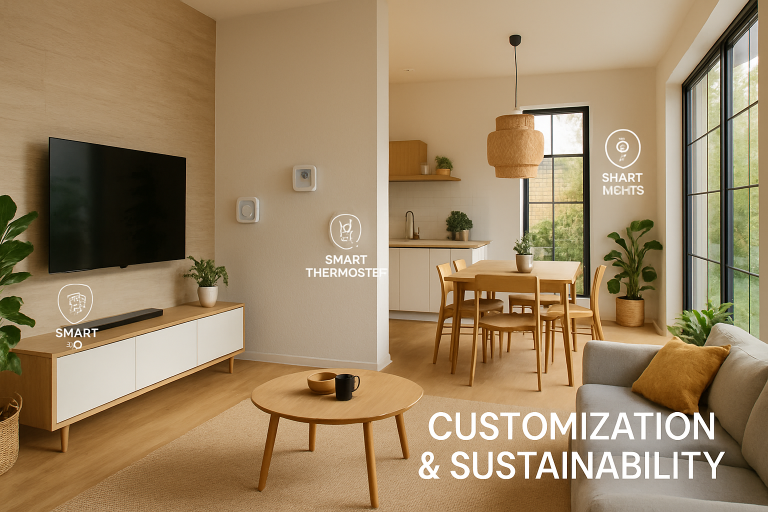
Today’s custom homes are designed with smart technology as a core feature, not just an afterthought. Through centralized home automation systems, homeowners can control lighting, security, entertainment, and climate remotely via smartphone or voice commands. Modern security features such as facial recognition cameras and biometric locks provide unprecedented levels of protection. This integration doesn’t just add convenience; it also ensures a responsive environment capable of managing energy use and adapting to homeowner preferences in real-time.
Open-Concept Layouts and Multifunctional Spaces
Open-concept layouts have emerged as a favored design choice, fostering both visual spaciousness and functional adaptability. These interconnected spaces facilitate more fluid social interaction while maximizing natural light. Flexibility is enhanced further with multifunctional rooms—think guest suites that easily convert to offices or creative studios—allowing the home to evolve as family dynamics or work-from-home needs shift.
Use of Natural Materials and Textures
Natural, organic materials are central to modern custom home design. Wood, stone, linen, and other textures offer warmth and an authentic connection to nature, aligning with the popular “organic modern” aesthetic. These materials are not only visually soothing but also contribute positively to the psychological well-being of residents, reinforcing a sense of harmony and sustainability within the home.
Emphasis on Wellness and Comfort
Wellness is increasingly prioritized in custom home construction, featuring amenities like spa-inspired bathrooms, yoga studios, meditation areas, and advanced air and water purification systems. This trend underscores the importance of creating nurturing environments that address both physical and mental health. Thoughtful touches such as mood lighting, soundproofing, and underfloor heating further contribute to an atmosphere of holistic comfort.
Adaptability to Future Needs
Forward-thinking design ensures that today’s custom homes are ready for tomorrow’s changes. Flexible layouts, modular walls, and expandable zones allow a home to be reconfigured over time, whether to accommodate multi-generational living or new technological advancements. This adaptability not only preserves the home’s utility and value but also supports the dynamic lifestyles of modern families.
Final Thoughts
Custom homes are leading the transformation of modern living, representing a synthesis of personalization, efficiency, and conscious design. By integrating sustainability, smart technology, adaptable spaces, and wellness features, homeowners can enjoy spaces perfectly attuned to both their current and future needs. This evolution places the homeowner’s identity at the heart of design, helping to create residences that are as enduring as they are inspiring.

