
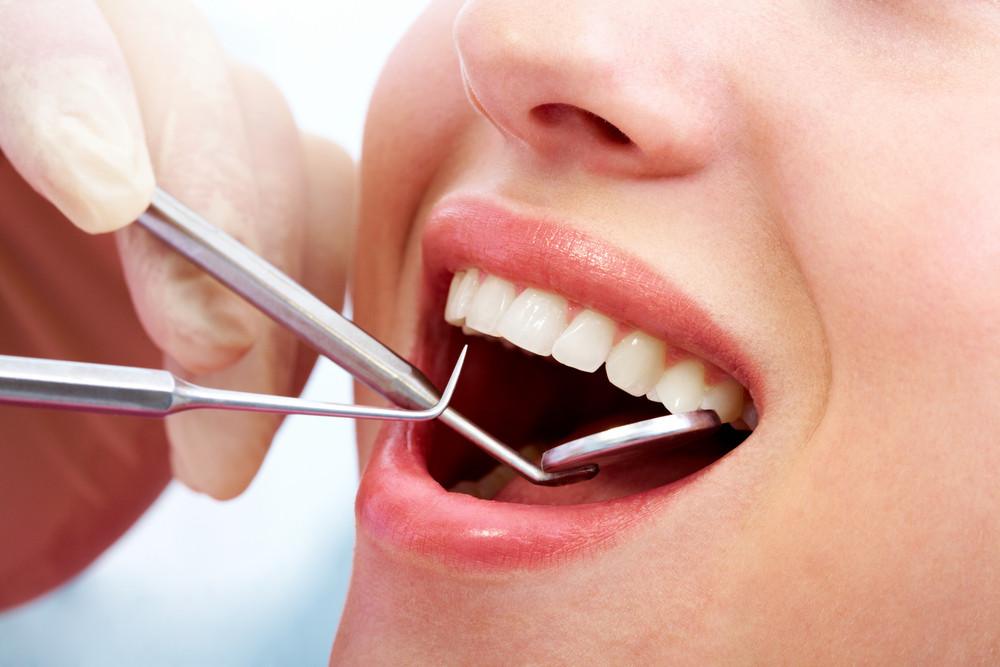
Taking care of your teeth is more than just maintaining a dazzling smile. Everyday habits and lifestyle choices significantly influence your oral health, impacting not only your teeth but also your overall well-being. By understanding how these habits affect your dental health, you can make informed decisions to enhance your routine and avoid potential dental issues, so you can enjoy a healthier life with a radiant smile.
How Brushing and Flossing Habits Shape Your Oral Health
Regular brushing and flossing are the cornerstones of a healthy oral care routine. Skipping either one can lead to plaque buildup, which may eventually result in cavities and gum disease. Ensuring thorough brushing for at least two minutes twice daily can significantly reduce the risk of dental issues.
Many people tend to overlook the importance of flossing, yet it plays a crucial role in removing food particles trapped between teeth. By flossing daily, you can prevent cavities and other common dental problems. Notably, 60% of all adults aged 20 to 64 have visited the dentist in the past year, emphasizing the importance of these preventive measures.
Incorporating good oral hygiene habits into your daily routine can promote long-term oral health. Simple actions like replacing your toothbrush every three months or after recovering from an illness can make a notable difference. Remember, consistent maintenance of both brushing and flossing habits contributes to a healthier mouth and a more vibrant smile.
How Diet and Snacking Affect Your Teeth and Gums
Your diet significantly impacts your dental health, with sugary and acidic foods leading to tooth decay over time. Consuming a balanced diet rich in fruits, vegetables, and whole grains supports strong teeth and gums. Choosing healthier snack options can prevent enamel erosion and reduce the risk of cavities.
Frequent snacking, particularly on sugary snacks, exposes your teeth to constant acid attacks. To protect your teeth, consider alternatives like nuts or yogurts that do not contribute to plaque buildup. In the United States, according to Keck School of Medicine of USC, three in ten people report having difficulty accessing primary care, highlighting the need for preventive oral health measures.
Staying hydrated by drinking plenty of water aids in the production of saliva, which is essential for maintaining oral health. Saliva helps in neutralizing acids, washing away food particles, and defending against tooth decay. By making mindful dietary choices, you can enhance not just your dental health but your overall well-being as well.
How Alcohol Consumption Can Impact Your Dental Health
Moderate or excessive alcohol consumption can adversely affect your dental health. Alcohol can lead to dry mouth, which decreases saliva production, increasing the risk of oral health problems. It’s important to be mindful of alcohol consumption to maintain healthy levels of saliva, which protects against tooth decay.
The direct contact of acidic alcoholic drinks like beer, wine, or spirits can weaken enamel. Over time, this can lead to increased sensitivity and a higher likelihood of cavities. According to the WHO, harmful alcohol use can cause more than 200 disease and injury conditions, highlighting the broader implications of alcohol on health.
Consider moderating your alcohol intake and choosing water or non-acidic beverages during social events. Alongside regular dental check-ups, these mindful choices can contribute to improved dental health. Prioritizing oral health through these lifestyle modifications ensures both a brighter smile and a healthier body.
To achieve optimal dental health, it’s important to be conscious of how everyday habits affect your teeth and gums. From maintaining an effective oral hygiene routine to making healthy dietary choices, each action contributes to protecting your dental well-being. By making informed decisions, you can preserve your oral health, enhancing not just your dental appearance, but your overall quality of life.

