
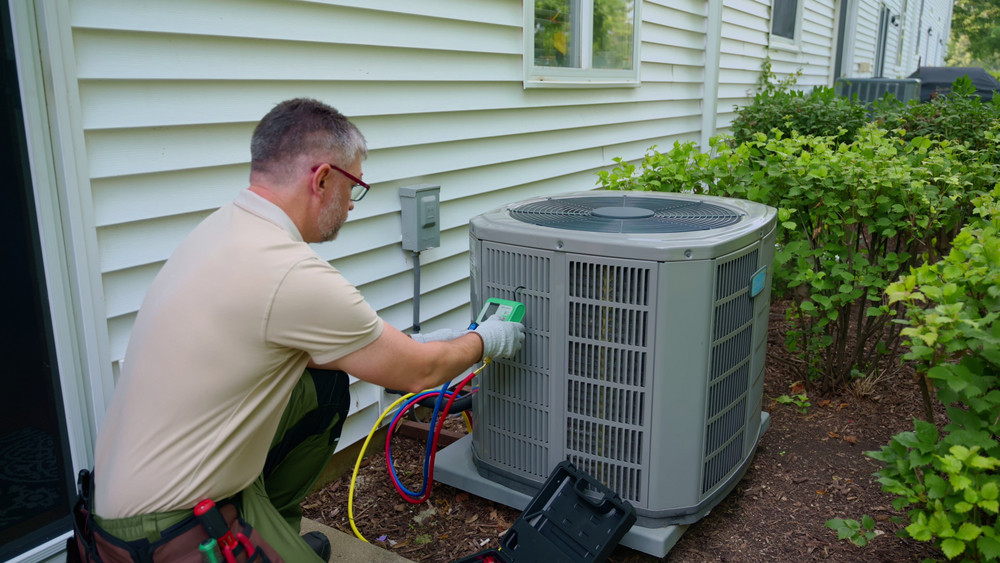
Fall is an ideal time to give your HVAC system some attention. After working throughout the summer, your heating and cooling equipment is about to transition into another demanding season. Preparing it before temperatures drop can help improve performance, maintain indoor comfort, and reduce the likelihood of inconvenient problems during the winter.
Homeowners do not necessarily need to wait until something breaks to think about HVAC performance. A combination of basic maintenance, professional service, and knowing when aging equipment needs replacement can help keep the system operating effectively.
Schedule Professional HVAC Maintenance
One of the most important steps homeowners can take in the fall is scheduling professional HVAC maintenance.
A technician can inspect important system components, look for signs of wear, test performance, and identify potential problems before the heating system needs to operate continuously. Addressing a small issue in the fall may prevent it from developing into a much larger problem during colder weather.
Professional maintenance is especially important because heating and cooling represent a substantial portion of household energy use. According to the U.S. Energy Information Administration, space heating and air conditioning account for 52% of a household’s annual energy consumption.
Because HVAC equipment has such a large role in household energy use, keeping it operating properly should be an important part of regular home maintenance.
Replace or Clean Your Air Filters
Air filters are relatively simple components, but they can have a noticeable effect on HVAC performance.
When a filter becomes heavily clogged with dust, pet hair, and other particles, airflow through the system can become restricted. This may force the HVAC equipment to work harder to circulate conditioned air throughout the home.
Homeowners should check filters regularly and replace or clean them according to the system manufacturer’s recommendations.
Fall is a particularly useful time to inspect the filter because homeowners are often transitioning from heavy air conditioner use into heating season. Starting winter with a clean filter can help support proper airflow.
Keep Vents and Registers Clear
Furniture, rugs, curtains, and other household items can unintentionally block supply and return vents.
Take a few minutes to walk through the home and make sure vents have enough open space around them. Blocking airflow can interfere with the system’s ability to distribute heat evenly throughout different rooms.
Homeowners should also avoid closing a large number of vents in an attempt to save energy. HVAC systems are generally designed to move a certain amount of air, and significantly restricting that airflow may affect performance.
Keeping registers clean and unobstructed is a simple way to help the system distribute conditioned air more effectively.
Pay Attention to the Age of Your System
Even well-maintained HVAC equipment eventually reaches the end of its useful life.
According to CNET, an HVAC system typically lasts approximately 15 to 20 years and can sometimes last even longer. Actual lifespan will depend on factors such as maintenance, installation quality, climate, usage, and the individual equipment.
Homeowners with systems approaching this age range should pay close attention to performance. Frequent repairs, unusual sounds, inconsistent temperatures, increasing energy consumption, and difficulty maintaining a comfortable indoor temperature can all indicate that equipment is aging.
A professional inspection can provide a clearer picture of the system’s condition and whether continued repairs remain practical.
Test Your Thermostat Before Winter
A thermostat problem can sometimes make an HVAC system appear to be malfunctioning even when the heating equipment itself is working properly.
Before cold weather arrives, test the thermostat by switching the system into heating mode and adjusting the desired temperature. Pay attention to whether the system responds normally and whether the home reaches the selected temperature.
Homeowners with programmable or smart thermostats can also review their schedules. Temperature settings that worked during the summer may no longer make sense during heating season.
Creating appropriate schedules can help the HVAC system operate around the household’s actual routine instead of unnecessarily heating the home at the same level around the clock.
Address Air Leaks Around the Home
Improving HVAC performance also involves keeping conditioned air inside the house.
Drafts around doors and windows can allow warm air to escape during the fall and winter. As a result, the heating system may have to operate more frequently to maintain the desired temperature.
Check weatherstripping, door seals, and other common areas where outside air may enter.
Insulation also plays an important role in maintaining indoor temperatures. An efficient HVAC system can still struggle if the house loses heat quickly through poorly insulated areas.
Know When Repair Stops Making Financial Sense
Not every HVAC problem should automatically result in replacing the equipment. However, there comes a point when repeatedly repairing an older system may not be the best financial decision.
According to HomeGuide, homeowners should consider replacing an air conditioner if the repair cost is 50% or more of the price of a new unit. This guideline can be especially useful when combined with the system’s age and repair history. Spending a significant amount repairing equipment that is already approaching the end of its expected lifespan may provide less value than putting that money toward replacement.
An HVAC professional can help homeowners compare their options based on the condition of the system.
Prepare Now for Better Performance This Fall
Improving HVAC performance does not require waiting for a breakdown. Fall maintenance gives homeowners an opportunity to prepare their equipment before colder temperatures place greater demands on the heating system.
Replacing dirty filters, keeping vents open, checking the thermostat, reducing drafts, and scheduling professional maintenance can all contribute to better performance.
Homeowners should also consider the age and condition of their equipment. Knowing when a repair is worthwhile and when replacement deserves consideration can help prevent unnecessary expenses.
Taking care of these tasks during the fall can help keep the HVAC system operating reliably and the home comfortable throughout the colder months ahead.

