
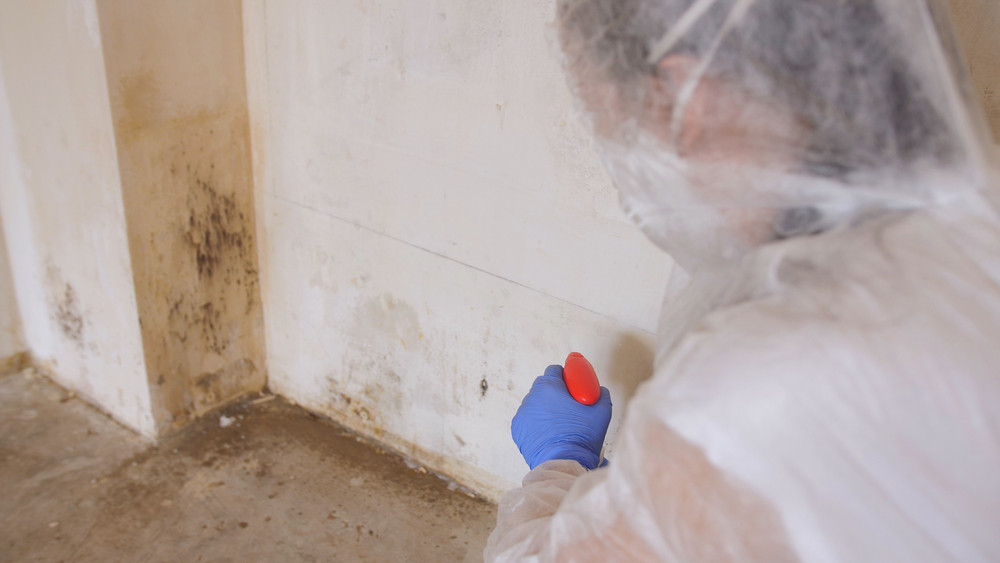
Indoor remodeling can be challenging under normal circumstances, but when mold is present in a home, the risks and requirements increase significantly. Mold can damage building materials, affect indoor air quality, and create health concerns if it is disturbed during construction. Before beginning any renovation, homeowners should understand how mold develops, how common it is, and why careful planning is essential for a safe remodeling process. Addressing these factors early helps reduce complications and supports a healthier living environment after the project is completed.
Understanding Mold Prevalence Before Remodeling Begins
Before starting any renovation work, it is important to recognize that mold is not an uncommon household issue. According to the CDC, mold affects approximately 10–50% of homes in the United States, depending on climate conditions, humidity levels, and the history of water exposure in a property. This wide range shows that mold is a frequent concern in many regions, especially in areas with higher moisture or poor ventilation. Because mold often grows in hidden areas such as behind drywall, under flooring, or inside insulation, homeowners may not always realize the extent of the problem until remodeling begins. This makes early inspection and assessment a critical first step before any demolition or rebuilding takes place.
Managing Moisture and Acting Quickly After Water Damage
Controlling moisture is one of the most important steps when remodeling a home that has or may have mold issues. According to the EPA, mold can begin growing within 24 to 48 hours after water damage if conditions remain damp and untreated. This short timeline highlights how quickly a small leak or flood can turn into a larger contamination issue. Because of this, any water intrusion should be addressed immediately before construction begins. During remodeling, it is essential to fully dry affected materials, repair the source of moisture, and ensure proper ventilation throughout the space. Even minor delays in drying or repair can allow mold to spread, increasing both cleanup costs and structural damage.
Protecting Health During Mold-Related Renovation Work
Health risks are a major concern when dealing with mold during remodeling projects. According to the CDC, findings from the Institute of Medicine in 2004 showed that indoor exposure to mold growth is associated with upper respiratory tract symptoms, including coughing and wheezing. These effects can be especially problematic for individuals with asthma, allergies, or other respiratory conditions. When mold is disturbed during demolition or reconstruction, spores can become airborne and spread throughout the home if proper precautions are not taken. This is why containment measures, protective equipment, and proper ventilation are essential during renovation work. Limiting exposure helps reduce the likelihood of respiratory irritation and creates a safer environment for both workers and occupants.
Remodeling a home with mold issues requires more than just design planning — it demands careful attention to moisture control, health protection, and early problem identification. Mold is present in a significant percentage of homes across the United States, and it can develop quickly after water exposure if not properly managed. Additionally, exposure to mold has been linked to respiratory symptoms, making safety precautions a key part of any renovation process. By addressing moisture problems promptly, ensuring thorough drying, and taking steps to limit exposure during construction, homeowners can complete remodeling projects more safely and reduce the risk of recurring mold problems in the future.

