
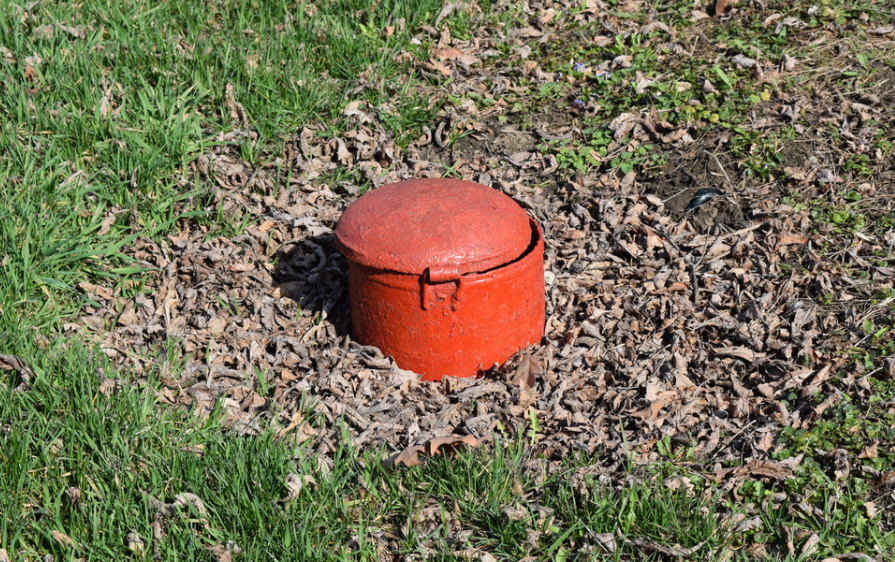
Septic systems are essential for managing wastewater in many homes, particularly in rural areas. Like all things, they have a lifespan and will eventually need to be replaced. Understanding the signs of an aging septic system and what to expect during replacement can save homeowners time and money.
Signs and Timeline for Septic System Replacement
Recognizing when your septic system is reaching the end of its life is crucial for preventing property damage. Signs such as slow drains, unpleasant odors, or sewage backups can indicate significant issues with the septic system. According to the Environmental Protection Agency (EPA), septic systems generally have a lifespan of anywhere from 25 to 30 years, suggesting that those within this age range may soon require replacement.
Assessing your septic system’s age and condition is vital in planning for its eventual replacement. Early symptoms of a failing system include patches of overly green grass or soggy soil over the drain field. Paying attention to these signs can help you avoid immediate home and environmental damage.
Taking proactive measures is key to minimizing inconvenience and expense. Regular maintenance and inspections by professionals can help prolong the system’s life but will ultimately not extend it indefinitely. Homeowners should plan and budget for a new system if theirs is over two decades old.
What to Expect During the Replacement Process
Septic system replacement is a significant yet necessary investment for homeowners. The process involves removing the old system and installing a new one, ensuring continued functionality and compliance with environmental standards. Understanding the duration and steps involved can help manage expectations; for example, HomeGuide notes that sewer line repair or replacement typically takes 1 to 5 days, depending on the scope of the project.
Before the actual replacement, professionals will assess your property to determine the best system type and configuration. The presence of obstacles such as tree roots or prior system layout may impact the timeline and cost. Choosing a reputable contractor is important to ensure the job is done safely and efficiently.
During the installation process, contractors will excavate the area where the new septic system will be placed. The old system will be removed, and the new equipment installed, with considerations for modern efficiency standards. Homeowners should be prepared for the temporary disruption in their daily activities, but gaining a reliable and up-to-date system will make it worthwhile.
Long-Term Considerations for Septic System Maintenance
Once you have installed a new septic system, proper maintenance is necessary to ensure its longevity. Regular inspections and pumping every three to five years can significantly extend the life of your septic system. Even a small proactive step, like being mindful of what is disposed of into household drains, can prevent unnecessary wear and tear.
Adding a French drain to your property is another way to improve drainage and reduce stress on your septic system. U.S. News Real Estate highlights that French drains can last between 30 and 40 years, offering a long-term solution to effective water management. This can be particularly beneficial for homes in areas with high water tables or heavy rainfall.
Educating household members about how septic systems work and best practices for maintaining them can further serve to prolong the system’s life. Using environmentally friendly and septic-safe products can foster a healthier home environment and preserve the system’s efficiency. As with any component of a house, consistent care pays off in saving resources and protecting property value.
Knowing when to replace your septic system and understanding the process is vital for homeowners. Anticipating the replacement can protect your home from damage and ensure uninterrupted functionality. With proper planning and care, replacing a septic system can be a streamlined process that secures the long-term efficiency of waste management for your property.

