
Key Takeaways
- Wellness features are a central focus in homes, fostering physical and mental health.
- Retro design with modern updates has returned to favor, providing warmth and familiarity.
- Eco-friendly materials and energy-saving technologies reflect broader environmental concerns.
- Flexible layouts and rooms ensure homes can easily adapt to evolving needs and multi-use activities.
- Integrating smart technology delivers personalized convenience and security for homeowners.
Modern lifestyle trends are reshaping the way people think about the spaces they live in. With an increasing focus on flexibility, sustainability, and wellness, homeowners are prioritizing designs that accommodate remote work, multifunctional living areas, and eco-friendly features. Natural light, open layouts, and indoor-outdoor connectivity are becoming central to contemporary home planning, reflecting a desire for both comfort and practicality in daily life. These trends highlight how lifestyle choices directly influence architectural decisions, material selection, and interior aesthetics.
This evolving approach to home design is also evident in communities attracting buyers who value a balance between modern conveniences and serene surroundings. Longboat Key homes for sale, for example, often reflect these preferences with layouts that emphasize spacious living, natural light, and connections to outdoor spaces. As more people seek residences that align with their lifestyle needs, the integration of functionality, wellness, and design continues to define the modern home experience.
Wellness-Centric Design
Health and well-being are leading home priorities. Modern buyers are attracted to spaces that optimize natural light, maintain high air quality, and create dedicated areas for relaxation or exercise. The implementation of wellness-centric features such as advanced air filtration, spa-inspired bathrooms, and green spaces in residential properties has significantly increased. These trends make everyday living more restorative and reduce stress for occupants.
A growing number of real estate listings now promote “wellness features,” confirming market demand. Home design now encompasses everything from circadian lighting to sound therapy rooms, allowing homeowners to invest directly in their health through the environments they create and inhabit.
Retro Revival with Modern Twists
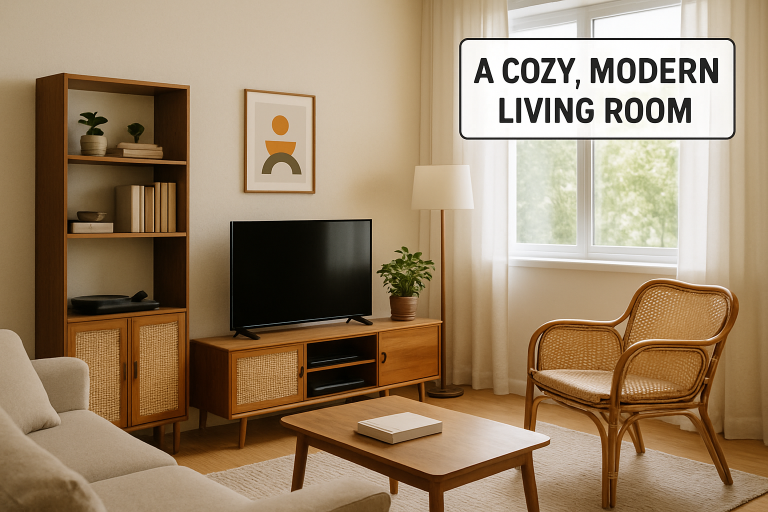
Nostalgic aesthetics are surging back, blending sentimental favorites with the functionality and flair required for modern living. Younger buyers are especially interested in embracing vintage details, fueling a return of design elements like stained glass, chintzy wallpapers, wood accents, and skirted furniture. This approach tempers sleek minimalism with cozy, layered spaces that tell a story.
Chair rails and brown tones now appear in updated settings, mixing classic and contemporary in creative ways. Even the resurgence of ruffled drapery and wooden paneling signals a pivot toward interiors that feel inviting, lived-in, and engaging, rather than sterile or cookie-cutter. These details offer a meaningful counterbalance to technology, opening endless possibilities for personalization.
Sustainable and Eco-Friendly Materials
Prioritizing environmental responsibility is no longer a niche movement but a mainstream expectation in new construction and renovation. Features like high-efficiency HVAC systems, solar panels, rainwater catchment, and locally-sourced, recycled, or rapidly renewable materials are now major selling points. Homeowners are drawn to green certification standards and the practical benefits of lower utility costs and reduced carbon footprints.
Biodegradable finishes, non-toxic paints, and bamboo flooring are becoming staples in modern interiors, all while adhering to high standards of comfort and beauty. The emphasis has shifted from simply looking eco-conscious to delivering tangible environmental impact, resulting in homes that support both the planet and their occupants’ well-being.
Flexible and Multifunctional Spaces
The shift toward remote work, evolving household structures, and growing interest in multi-generational living have transformed the way interiors are designed and used. Open floor plans, sliding partitions, and multifunctional furniture allow homeowners to maximize every square foot, creating settings that flex between home office, workout zone, play area, or guest suite as needed.
This versatile approach encourages better space utilization, supports productivity, and allows homes to grow and change alongside their owners. Whether carving out a workspace with modular shelving or converting a media room into a home gym, flexibility is at the core of resilient, future-proof design.
Smart Home Integration
Intelligent technologies are advancing home design in new and dynamic ways, making modern living more efficient, secure, and enjoyable. Homeowners now routinely install whole-house systems that automate lighting, security, temperature control, and entertainment with a single device, adding both luxury and peace of mind. The use of AI-powered energy management, facial recognition entry, and in-home sensors is growing, further personalizing comfort and reducing energy waste.
This technology-driven trend is set to continue as homeowners see the financial benefits and future-proofing value of investing in smart upgrades.
Emphasis on Natural Elements
Biophilic design, which centers around bringing the outdoors in, is an essential part of today’s most calming interiors. The use of natural wood, stone, live plants, and water features supports emotional balance, freshens indoor air, and visually softens modern lines. These details evoke a sense of sanctuary, highly valued in stressful times.
Personalized and Unique Interiors
With greater access to custom furnishings and globally sourced art, homeowners are creating spaces as individual as their fingerprints. From bespoke hardware and hand-crafted lighting to gallery-style walls that tell a family’s story, the goal is singularity. Unique pieces not only reflect the owner’s travels or passions but also make each home truly one of a kind, resisting the monotony of mass-market trends.
Conclusion
Modern lifestyle shifts are redefining home design. By responding to wellness priorities, embracing nostalgia, integrating sustainability, ensuring flexibility, and leveraging smart technology, these evolving spaces are both meaningful and practical. The result is a new standard in residential living, where each home is a dynamic environment that enhances its inhabitants’ quality of life and grows with them over time.

