
Building an eco-friendly, efficient home has become a necessity for sustainable living. By adopting the right strategies, homeowners can significantly reduce their carbon footprint while enjoying a host of financial and lifestyle benefits. This article delves into essential aspects of assembling such homes, providing insights into the integration of solar power, efficient insulation, and energy-efficient fixtures.
The push for eco-friendly homes is also driven by growing awareness about environmental issues and the economic advantages of sustainable living. As energy costs rise, more individuals find value in investing in renewable energy and eco-conscious building materials. Furthermore, these investments not only enhance quality of life but also increase the home’s resale value, offering long-term benefits to the homeowner.
Embracing Solar Power
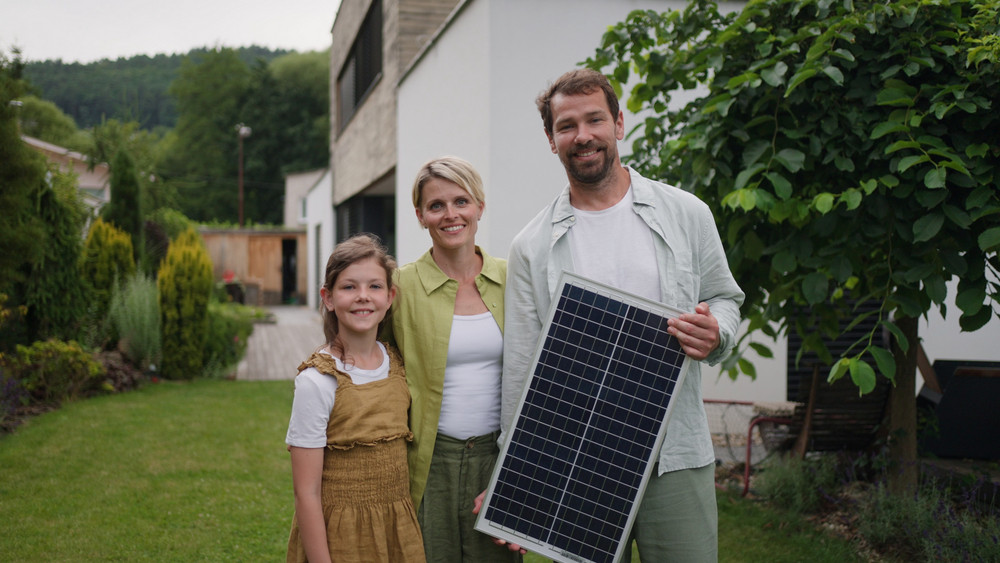
Solar power is a cornerstone in the quest for a sustainable home. Harnessing the energy of the sun not only reduces dependence on nonrenewable resources but also offers substantial savings over time. According to Energy Sage, you have the opportunity to deduct nearly a third of your solar installation costs directly from your federal taxes, making this renewable option significantly more affordable.
Aside from financial savings, solar power contributes to a cleaner environment by reducing greenhouse gas emissions. As technology advances, the efficiency and affordability of solar panels continue to improve, making them more accessible to a broader demographic. This shift is crucial as the global community aims to tackle climate change and promote sustainability.
Integrating solar energy into your home not only reflects a commitment to environmental responsibility but also positions you advantageously in the housing market. Homes equipped with solar panels often command higher resale values due to their lower utility costs and eco-friendly appeal. This is an investment in the future, both for yourself and for the planet.
Improving Insulation with Efficient Siding
The importance of quality siding extends beyond aesthetics; it’s a critical component in optimizing a home’s energy efficiency. Properly installed siding acts as a protective barrier, enhancing the insulation and reducing energy consumption. According to Fixr, investing in new siding elevates protection and enhances curb appeal while delivering an impressive return on investment of 80% to 90% when mid-range materials are chosen.
The energy savings derived from improved insulation are substantial, as they help maintain consistent indoor temperatures, reducing the need for heating and cooling systems. These savings translate into lower utility bills and a smaller carbon footprint for the environmentally conscious homeowner. Furthermore, modern siding materials are designed to withstand extreme weather, ensuring your home remains secure and energy-efficient for years to come.
In addition to functional benefits, siding significantly affects the visual charm of a property. Opting for energy-efficient siding not only provides structural integrity but also enhances the overall look of your home, making it more attractive to potential buyers. Indeed, updated siding can be a key selling point, offering a balance between beauty and sustainability.
Prioritizing Energy-Efficient Windows and Doors
Windows and doors are pivotal in maintaining a home’s energy efficiency by regulating heat transfer and contributing to indoor comfort. According to ZipDo, 78% of consumers now prioritize energy efficiency when selecting these fixtures, reflecting a strong trend toward sustainable home building. This prioritization is driven not only by environmental concerns but also by the desire to save on energy costs.
Modern windows and doors come equipped with advanced technologies such as low-E coatings and triple-glazing, which significantly improve thermal performance. These features prevent heat loss during winter and minimize heat gain in the summer, keeping living spaces comfortable year-round. They also help reduce noise pollution, enhancing the tranquility of the home environment.
Investing in energy-efficient windows and doors is a wise decision for those looking to reduce their household energy use. Besides the immediate cost savings, such investments can enhance the property’s market value and appeal to eco-conscious buyers. As sustainability becomes more deeply ingrained in consumer preferences, the demand for homes with energy-efficient features is likely to continue growing.
Creating an eco-friendly, efficient home is a multifaceted process that offers numerous benefits. By embracing renewable energy solutions like solar power, investing in quality siding, and prioritizing energy-efficient windows and doors, homeowners can achieve sustainability while enjoying potential financial returns. These strategic choices not only lower environmental impact but also lead to significant cost savings and increased property value.
As the world moves toward more sustainable practices, the importance of energy-efficient homes will continue to rise. By educating yourself about available technologies and incentives, you have the opportunity to make informed choices that benefit both your household and the broader environment. In doing so, you’re not just enhancing your home’s efficiency—you’re also contributing to a more sustainable future for all.

