
Key Takeaways
- Effective sports rehabilitation merges physical therapy, nutritional support, and mental well-being strategies.
- Active recovery, including light movement, plays a critical role in healing and helps prevent re-injury.
- Customized rehabilitation plans are fundamental to achieving the best possible recovery outcomes.
Table of Contents
- Understanding Sports Injuries
- Initial Response to Injury
- Developing a Rehabilitation Plan
- Importance of Physical Therapy
- Role of Nutrition in Recovery
- Mental Health and Rehabilitation
- Preventing Future Injuries
- Conclusion
Recovering from sports injuries is a pivotal part of any athlete’s career. The right approach not only determines the speed of your comeback but also minimizes the risk of recurrence and supports overall performance. Implementing a holistic and structured plan can make all the difference, whether you are a professional competitor or someone who enjoys weekend sports. If you are searching for professional support, consider proven sports rehabilitation programs Davie FL that cater to a variety of athletic needs and injuries.
Effective recovery harnesses the synergy between physical therapy, proper nutrition, and attention to mental health. When carefully combined, these elements drive faster healing and empower athletes to rebuild both confidence and capability in their sport. Active and personalized rehabilitation ensures not only a smoother recovery but also prepares athletes better for future challenges.
Understanding Sports Injuries
Sports injuries can be categorized as either acute or chronic. Acute injuries, such as strains, sprains, and fractures, occur suddenly during activity. Chronic injuries develop over time, often due to repetitive motions or improper biomechanics. Key to effective rehabilitation is accurately identifying not just the type of injury, but also its underlying causes and severity.
Athletes should seek medical evaluation for any persistent pain, swelling, or loss of function, as early intervention improves recovery outcomes. Recognizing warning signs and taking swift action reduces complications down the road.
Initial Response to Injury
The immediate response following an injury significantly affects long-term healing. The widely recommended R.I.C.E. approach (Rest, Ice, Compression, Elevation) helps manage inflammation and pain in the critical first hours or days. Elevating the injured area above heart level reduces swelling, while gentle compression prevents fluid buildup.
Quick and correct first aid not only provides comfort but also limits further damage, preparing the body for the next stage of rehabilitation. Athletes should avoid returning to play too soon, as premature activity can worsen tissue damage and prolong downtime.
Developing a Rehabilitation Plan
A successful rehabilitation plan prioritizes individualization and collaboration. Healthcare professionals such as physicians, physical therapists, and nutritionists work together to create a plan tailored to each athlete’s needs, their sport’s demands, and the specific nature of their injury. Baseline assessments help establish recovery goals and monitor progress over time.
Regular adjustments to the plan accommodate healing rates and unexpected setbacks. Open communication between the athlete and the care team ensures that each stage of recovery maximizes safety and results.
Importance of Physical Therapy
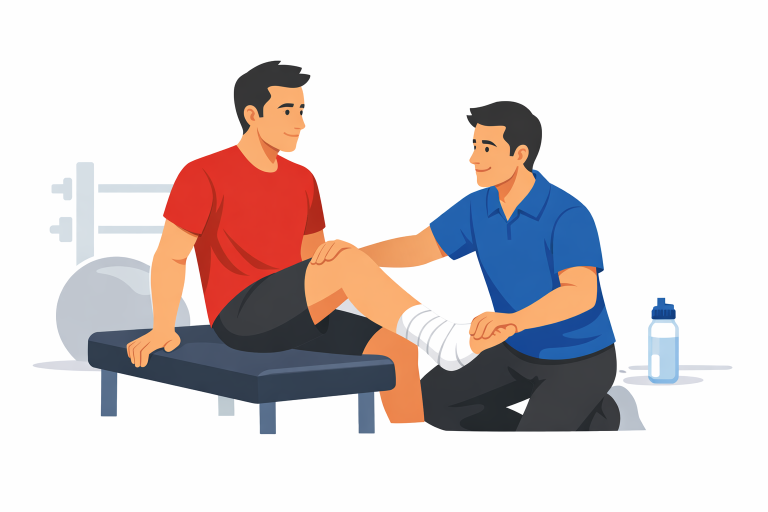
Physical therapy lies at the heart of most sports injury rehabilitation. Early controlled movement, under expert guidance, restores joint mobility and muscle strength. Techniques such as active recovery, engaging in low-intensity activities like cycling or aquatic exercise, limit muscle loss, reduce stiffness, and promote blood flow to injured tissues. These activities also help reduce the buildup of waste products and improve the delivery of healing nutrients.
Balance, flexibility, and sport-specific exercises are added gradually, reintroducing complexity in movement patterns. Ongoing assessment ensures the rehabilitation process aligns with healing progress and functional goals.
Role of Nutrition in Recovery
Nutrition is often overlooked in the rehabilitation process yet is fundamental to tissue repair, immune function, and sustained energy. Protein supports muscle and tissue healing, while vitamins and minerals such as vitamin C, calcium, and zinc are crucial for cellular repair and bone health. Hydration, too, is vital for circulation and metabolic processes essential for the recovery period.
Tailored meal planning and sometimes supplementation can accelerate recovery. Nutritionists often recommend anti-inflammatory foods, as well as a balanced intake of macronutrients, to optimize the body’s natural healing abilities. For further details on the sports nutrition fundamentals, resources from the National Institutes of Health provide additional insights.
Mental Health and Rehabilitation
Physical recovery is only part of the rehabilitation equation. Injured athletes frequently face emotional challenges such as frustration, anxiety, or fear of re-injury. Mental health support, including counseling, peer support groups, or mindfulness techniques, promotes a positive mindset and aids motivation to adhere to rehabilitation plans.
Monitoring and addressing mental health can speed recovery, improve outcomes, and strengthen resilience for future challenges.
Preventing Future Injuries
Long-term athletic health depends on implementing preventive strategies after initial recovery. Proper warm-ups, strength and conditioning programs, and flexibility work help safeguard against future injuries. Sport-specific training can correct muscle imbalances and improve movement efficiency.
Education is crucial: athletes should learn to recognize early symptoms of overuse and understand correct biomechanics relevant to their activities. Incorporating injury prevention strategies into regular training routines reduces the risk of setbacks.
Conclusion
Recovering from sports injuries is a comprehensive process that demands careful attention to physical therapy, nutrition, and mental well-being. By personalizing rehabilitation and applying proactive strategies, athletes can optimize their recovery, regain peak performance, and guard against future injuries. With the right approach and support, a return to sport can be both swift and sustainable.

