
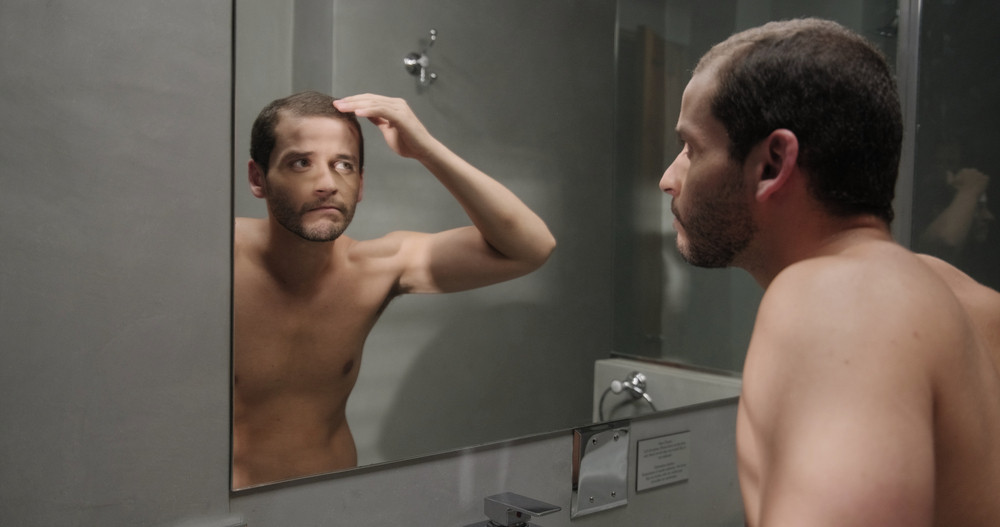
Hair thinning can be a distressing experience for many, impacting self-esteem and overall mental health. Understanding the early signs and knowing the options available can be empowering. This article explores the prevalence of hair loss, effective treatments, and the growth of healthcare support options, offering a comprehensive guide to navigating this common concern.
The Prevalence of Hair Thinning
Hair thinning is a widespread issue, with a significant number of individuals experiencing it at some point in their lives. According to studies, by the time American men reach the age of 35, nearly 66% will notice some level of hair loss. Recognizing this reality is the first step in addressing potential concerns and seeking appropriate solutions.
The causes of hair loss can vary, from genetic predispositions to environmental factors. Stress, nutritional deficiencies, and hormonal imbalances are also known contributors. Understanding these causes can help individuals adopt preventative and proactive measures to manage hair health.
For many, hair thinning is not just a physical change but an emotional journey that can affect confidence. Normalizing the conversation around hair loss can help reduce stigma. By embracing open discussions, those experiencing hair thinning can find preparation and support more readily available.
Effective Solutions and Treatments
When contemplating treatment options, hair transplants have remained a popular choice due to their impressive success rates. It’s reported that satisfaction rates for hair transplant procedures are as high as 90%. This high satisfaction rate reflects the effectiveness and the advancements in technology surrounding hair restoration.
Besides surgical options, various non-invasive treatments exist, including topical solutions and laser therapy. These alternatives can be effective, especially when addressing early signs of hair thinning. Working closely with hair care specialists can help tailor treatments to fit individual needs.
Seeing a certified dermatologist or trichologist can provide valuable insights. Professional guidance can assist with diagnostics, ensuring that any underlying health issues are also addressed. This holistic approach to treating hair thinning promotes a healthier, more comprehensive strategy for maintaining hair health.
The Role of Healthcare and Advertising
The landscape of healthcare advertising is rapidly evolving, particularly in the field of hair restoration. Projections suggest that by 2028, spending in the U.S. on healthcare advertising could rise from over $22 billion in 2022 to nearly $30 billion. This growth indicates a rising awareness and emphasis on health-related issues, including hair care, within the advertising domain.
Increased advertising efforts help bring new treatments and technologies to the attention of those in need. This awareness can lead to more informed decisions and better outcomes for those experiencing hair thinning. As the market expands, consumers benefit from more options and competitive innovations.
With growing investment in healthcare advertising, patients may have access to more educational resources. This enables individuals to understand their choices better and to advocate for their health needs. Empowered by information and resources, individuals facing hair thinning can make choices that align with their health goals.
In conclusion, identifying the early signs of hair thinning involves understanding its prevalence and exploring effective treatments. As healthcare advertising continues to expand, individuals can expect access to better resources and options. Embracing an informed approach to hair health not only addresses aesthetic concerns but also contributes to overall well-being.

