
Key Takeaways
- Consistent maintenance of HVAC systems and air filters is essential for cleaner indoor air.
- Proper ventilation and humidity control help decrease pollutants and prevent mold growth.
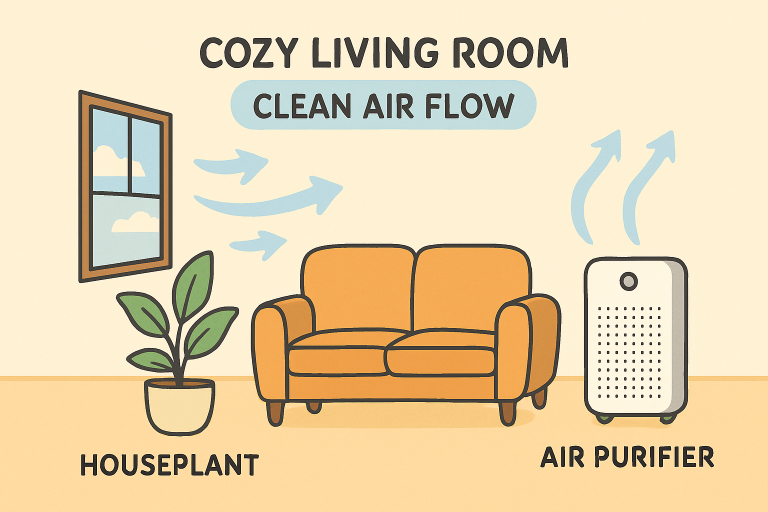
- Air purifiers and specific houseplants can further purify and filter the air in your living space.
- Adopting safe cleaning products and maintaining frequent cleaning routines is essential for improving air quality.
Maintaining a healthy indoor environment is crucial for overall well-being, as indoor air quality has a significant impact on health. Poor air quality can lead to allergies and severe respiratory issues. Enhancing air quality is a smart investment and a proactive way to safeguard your household.
Simple actions, such as regular cleaning routines, selecting the right products, and even thoughtful upgrades to your home’s systems, can make a significant impact. For instance, professional HVAC Denver services can help ensure that the air circulating throughout your space is free of contaminants and allergens, contributing to a safer and more comfortable living environment for everyone. Regular maintenance and timely inspections also help improve energy efficiency while extending the lifespan of your HVAC system. Together, these proactive measures create a healthier, cleaner indoor atmosphere that supports long-term comfort and peace of mind.
Regular HVAC Maintenance
The HVAC system acts as the lungs of your home, constantly circulating air throughout every room. Regular inspections and tune-ups ensure the system is running optimally, efficiently filtering out pollutants before they reach your living areas. Experts recommend annual checks and deep cleaning of HVAC components to avoid the accumulation of dust, allergens, and even mold within the ducts and vents. Additionally, air filters should be changed every one to three months to maintain healthy airflow and capture harmful particles. Proper HVAC care isn’t just about comfort; it’s fundamental to respiratory health and the overall quality of your home’s air. According to the Environmental Protection Agency (EPA), a well-maintained HVAC unit is a significant defense against indoor contaminants.
Enhancing Ventilation
Ensuring there is adequate fresh air circulating throughout your home is key to reducing concentrations of indoor pollutants. Even short periods of open windows during mild weather can dramatically improve air quality, diluting odors, airborne particles, and moisture. In spaces like kitchens and bathrooms, exhaust fans play a crucial role in venting smoke, cooking fumes, and excess moisture that would otherwise promote the growth of bacteria and mold. Proper ventilation can also prevent a buildup of carbon dioxide and volatile organic compounds (VOCs), further protecting your family’s health.
Controlling Humidity Levels
Excess moisture indoors can lead to the proliferation of dust mites and mold, two common triggers of allergies and asthma symptoms. The ideal indoor humidity level typically ranges from 30% to 50%. You can effectively manage indoor humidity with dehumidifiers, particularly in basements or bathrooms, and via good ventilation practices. Humidity sensors and smart thermostats can help you monitor and maintain optimal levels throughout the year, keeping your living space more comfortable and healthier.
Utilizing Air Purifiers
Air purifiers, particularly those that utilize HEPA filtration, are highly effective at removing fine particles, such as pet dander, dust, and pollen. These devices are best used in high-traffic areas or spaces where allergy sufferers spend a substantial amount of time. Some advanced air purifiers even target gases and chemical pollutants, offering a layered approach to managing indoor air quality. Consider pairing air purification systems with proper ventilation and filtration through your HVAC system for the best results.
Incorporating Houseplants
Certain houseplants are known for their air-purifying abilities, naturally reducing levels of toxins such as benzene, formaldehyde, and ammonia. Plants like spider plants, snake plants, and peace lilies have been recognized by organizations such as NASA for their effectiveness. While houseplants can contribute to cleaner air, they should supplement—not replace—primary air quality strategies. Too many plants or over-watering can inadvertently raise humidity and foster mold, so balance is key.
Regular Cleaning Practices
Routine cleaning significantly reduces allergens and pollutants. Use a vacuum with a HEPA filter at least once a week on carpets and rugs, and launder bedding and curtains regularly. Don’t ignore soft furnishings, where pet hair and dust can accumulate, or hard-to-reach places like behind furniture and on ceiling fans. Using damp cloths for dusting prevents the redistribution of particles into the air, and cleaning with non-toxic or fragrance-free products minimizes your exposure to VOCs and synthetic chemicals.
Choosing Low-VOC Products
Many paints, cleaners, and furnishings emit volatile organic compounds that can linger for months or even years, exacerbating indoor air pollution. To minimize this risk, shop for items labeled explicitly as low-VOC or VOC-free. When painting or introducing new furniture, ventilate the area adequately for several days to allow off-gassing to dissipate. Opting for natural cleaning agents and fragrance-free options further reduces your household’s chemical load, delivering fresher air consistently.
Conclusion
A holistic approach to improving indoor air quality involves regular system maintenance, upgraded ventilation, deliberate product choices, and a commitment to ongoing cleanliness and hygiene. By implementing these strategies, you’ll foster a living environment that is safer, healthier, and more comfortable, protecting not only your physical health but also your peace of mind.

