
The UK construction industry offers excellent opportunities for individuals seeking stable employment, practical skills, and long-term career growth. From housing developments to major infrastructure projects, skilled construction workers remain in high demand across the country.
However, before working on most UK construction sites, workers must demonstrate that they understand essential health and safety practices. This is where CSCS cards and CITB testing become important. Understanding how these certifications work — and the costs involved — helps new entrants start their careers confidently.
Why CSCS Certification Is Important
Construction environments can be hazardous, involving heavy equipment, elevated work areas, and strict safety regulations. Employers therefore expect workers to hold recognised certification proving they can operate safely.
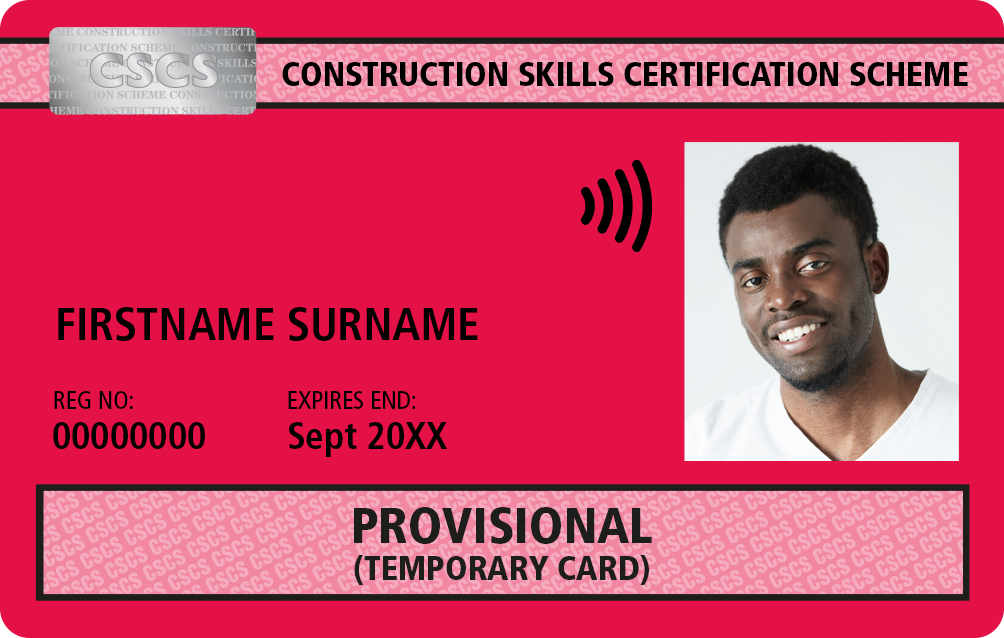
The Construction Skills Certification Scheme (CSCS) card is widely accepted across the UK as proof of competence and safety awareness. Although not legally mandatory, most contractors require it before granting site access.
A CSCS card helps workers:
- Meet employer requirements
- Improve job prospects
- Demonstrate safety knowledge
- Build professional credibility
For many people entering construction, obtaining a CSCS card is the first major career step.
Types of CSCS Cards
Different roles require different cards depending on experience and qualifications.
Green Labourer Card
Designed for beginners or individuals starting entry-level construction work.
Blue Skilled Worker Card
For tradespeople who have completed recognised vocational qualifications such as NVQs.
Gold Cards
Suitable for advanced craft workers or supervisors with higher-level training.
Manager and Professional Cards
Issued to supervisors, managers, and construction professionals responsible for site operations.
Selecting the correct card ensures smoother employment opportunities.
The CITB Health, Safety and Environment Test
Before applying for most CSCS cards, candidates must pass the CITB Health, Safety and Environment (HS&E) Test.
This assessment evaluates understanding of:
- Workplace hazards
- Risk prevention
- Manual handling
- Working at height
- Environmental responsibilities
- Emergency procedures
The test is completed at authorised UK test centres and consists of multiple-choice questions based on real construction scenarios.
Preparation through practice tests and revision materials significantly improves success rates.
Understanding Construction Certification Costs
One of the most common concerns for new workers is how much certification will cost. Expenses vary depending on experience level and required qualifications, but typically include several key components.
CITB Test Fee
Candidates must pay to sit the HS&E test before applying for their card.
Training Requirements
Some applicants need additional courses such as Health and Safety Awareness training or vocational qualifications.
CSCS Card Application Fee
Once eligibility requirements are met, applicants submit their card application.
Understanding the full CSCS Cost breakdown helps individuals plan financially and avoid unexpected expenses when entering the construction industry.
How Long Does It Take to Get a CSCS Card?
The process is usually straightforward and relatively quick.
Typical timeline:
- Prepare for and book the CITB test
- Complete required training (if applicable)
- Apply for the CSCS card after passing the test
Many applicants complete the process within a few weeks, allowing them to start work quickly.
Career Opportunities After Certification
Holding a CSCS card opens doors to numerous construction roles. Many workers begin as labourers before specialising in a trade or technical role.
Popular career options include:
- Bricklaying
- Carpentry and joinery
- Plumbing
- Electrical installation
- Groundworks
- Plant operation
- Site supervision
With experience and additional qualifications, workers can progress into supervisory or management positions.
Benefits of Working in Construction
The construction sector continues to attract new workers because of its practical advantages.
Strong Demand for Workers
Ongoing building projects across the UK ensure consistent job availability.
Competitive Earnings
Pay levels often increase as skills and certifications improve.
Clear Career Progression
Workers can move from entry-level roles to leadership positions over time.
Hands-On Work Environment
Construction appeals to individuals who prefer practical work rather than office-based roles.
Common Mistakes New Applicants Make
Understanding the process helps avoid delays or additional costs.
Applying for the wrong CSCS card – Always confirm eligibility requirements.
Lack of test preparation – Even experienced workers should revise safety materials.
Choosing unrecognised training providers – Ensure courses meet CSCS standards.
Ignoring renewal dates – Most CSCS cards require renewal every five years.
Avoiding these mistakes makes certification faster and more cost-effective.
Tips for Passing the CITB Test
Simple preparation strategies can greatly improve your chances of passing first time:
- Use official study resources
- Complete practice questions regularly
- Understand real workplace safety situations
- Arrive early with valid identification
- Stay calm and manage your time during the exam
Passing first time saves both money and effort.
Final Thoughts
Starting a construction career in the UK is an excellent choice for individuals looking for stable work and long-term progression. While certification requirements may seem complex initially, understanding CSCS cards, CITB testing, and associated costs simplifies the process.
By preparing properly, budgeting for certification expenses, and gaining recognised qualifications, new workers can enter construction sites confidently and begin building a successful future within the industry.

