
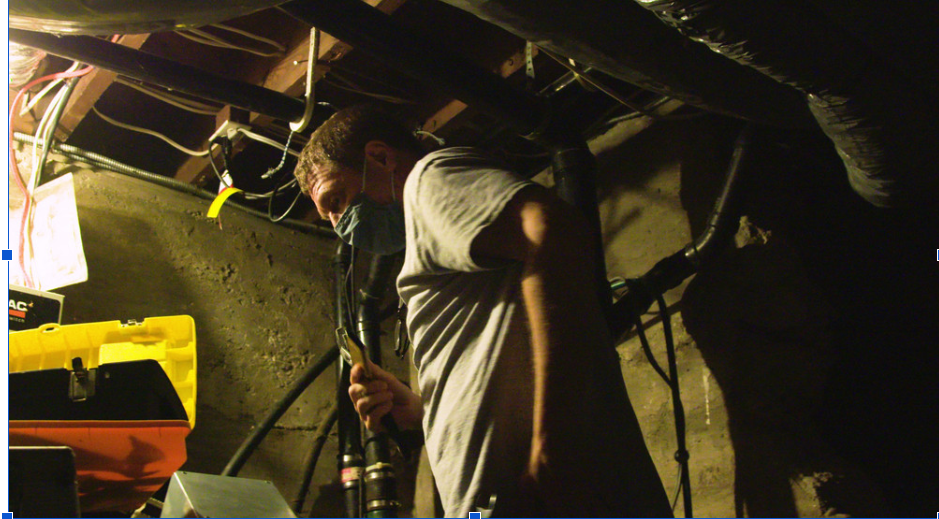
Mold is one of those household problems that often goes unnoticed until it becomes a serious issue. It can grow quietly behind walls, under flooring, or in damp corners of basements and bathrooms, spreading long before anyone spots a stain or smells a musty odor. Beyond the damage it can do to building materials, mold may also trigger allergies and breathing problems for some people. Knowing where it hides, how quickly it grows, and when to call for help can keep this unwelcome guest from taking over.
More Common Than You Might Think
Many homeowners assume mold only affects older or poorly maintained houses, but that isn’t the case. According to Today’s Homeowner, roughly 70% of homes in the United States have some type of mold growth. Mold spores are everywhere, both indoors and out, and they only need moisture and a food source such as wood, drywall, or dust to start growing.
Some areas of the home are especially prone to mold. Bathrooms, kitchens, laundry rooms, basements, attics, and crawl spaces all tend to have higher humidity or occasional leaks. Mold also commonly forms around windows with condensation, under sinks, behind appliances, and inside HVAC ducts.
Watch for warning signs such as a persistent musty smell, dark spots or fuzzy patches on surfaces, peeling paint, warped drywall, or worsening allergy symptoms when you’re at home. Keeping indoor humidity low with exhaust fans and dehumidifiers is one of the best ways to discourage growth.
Act Fast After Water Damage
Time is critical once water gets where it doesn’t belong. Whether the cause is a burst pipe, a leaking roof, an overflowing appliance, or flooding from a storm, damp materials can quickly become a breeding ground for mold. FEMA reports that mold typically begins forming within about 24 to 48 hours after water damage occurs.
That narrow window means quick action can make a big difference. Stop the source of the water as soon as possible, then remove standing water and begin drying the area. Open windows, run fans and dehumidifiers, and pull up wet rugs or carpet padding. Porous items like soaked drywall, insulation, and upholstery may need to be removed and replaced if they can’t be dried thoroughly.
For large leaks or flooding, consider calling a water damage restoration company. These professionals use industrial drying equipment and moisture meters to make sure hidden areas inside walls and under floors are completely dry, reducing the chances of mold developing later.
What to Expect From a Mold Inspection
If you suspect mold but can’t find the source, or if the affected area is large, a professional inspection can provide answers. Inspectors use tools such as moisture meters, thermal imaging cameras, and air sampling to locate hidden growth and identify the moisture problems that caused it.
Most inspections don’t take long. HomeGuide notes that a mold inspection usually lasts two to five hours, depending on whether walls or ceilings need to be opened to reach the affected areas. Afterward, you’ll typically receive a report outlining where mold was found, how extensive it is, and recommended next steps.
If remediation is needed, hire a qualified mold removal company. Professionals contain the area to prevent spores from spreading, remove contaminated materials safely, and clean remaining surfaces. Most importantly, make sure the underlying moisture problem is fixed so mold doesn’t return.
Keeping Your Home Mold-Free
Mold may be common, but it doesn’t have to take hold in your home. By controlling moisture, responding quickly to water damage, and calling in professionals for inspections and removal when needed, you can protect your home’s structure and keep your indoor air healthier for your family.

