
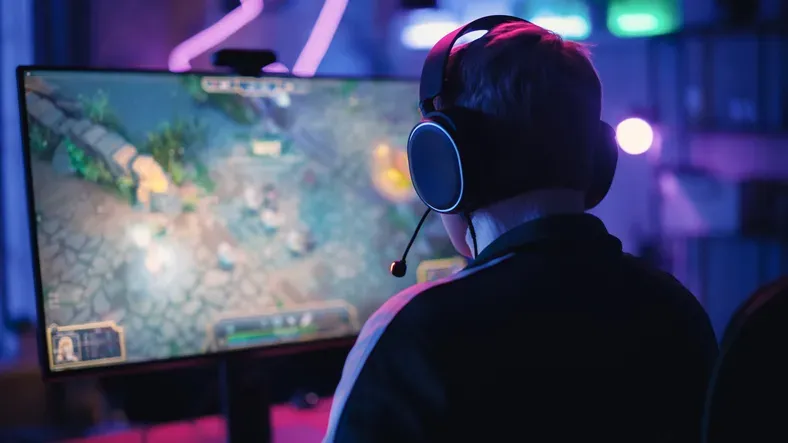
First-person shooters (FPS) are some of the most competitive and exciting genres in gaming. Whether you’re playing casual matches or ranked tournaments, your ability to aim precisely and react quickly can be the difference between victory and defeat. In this guide, we’ll explore practical techniques and training strategies to sharpen your skills, boost your in-game performance, and help you play more confidently.
1. Understand the Importance of Accuracy and Reaction Time
Accuracy determines how consistently you can hit your targets, while reaction time affects how fast you respond to threats. In FPS titles like Call of Duty, Counter-Strike 2, Battlefield, and Apex Legends, these two abilities define your overall performance. The top players don’t just rely on natural talent — they rely on refined muscle memory, optimized settings, and hours of smart practice.
Improving these areas requires both mechanical skill and mental sharpness. The good news? You can train both with deliberate methods and consistent routines.
2. Optimize Your Hardware Setup
Before focusing on technique, ensure your setup is fine-tuned for performance:
Use a High-Refresh-Rate Monitor
A 144Hz or 240Hz monitor provides smoother visuals and more responsive gameplay compared to standard 60Hz displays. This can significantly reduce input delay and make your reactions feel snappier.
Invest in a Good Mouse and Mouse Pad
A lightweight gaming mouse with adjustable DPI and a smooth mouse pad improves control and precision. Experiment with different DPI settings until you find the sweet spot that balances speed and accuracy.
Maintain a Stable Frame Rate
Lag or stutter can ruin your aim. Adjust your graphics settings to maintain stable frame rates — it’s better to play smoothly at medium settings than to stutter on ultra.
3. Fine-Tune Your Game Settings
Adjust Your Sensitivity
One of the most common mistakes new players make is using sensitivity that’s too high. Lower sensitivity allows for finer control and steadier aim. Try using a sensitivity that allows you to make a 180° turn with a comfortable hand motion.
Disable Mouse Acceleration
Mouse acceleration can cause inconsistent aiming. Disable it both in-game and in your operating system to ensure consistent, predictable movement.
Customize Crosshair and FOV
Use a crosshair color and style that’s visible in all environments, and set your field of view (FOV) to a level that feels natural — wider FOVs help with awareness, but extreme values can distort perception.
4. Train Your Aim Daily
Consistency is key. Set aside 15–30 minutes daily for focused aim training.
Use Aim Trainers
Programs like Kovaak’s FPS Aim Trainer or Aim Lab let you practice flicks, tracking, and target switching in controlled scenarios.
Warm-Up Before Playing
Before jumping into competitive matches, spend 5–10 minutes shooting at targets or bots. This wakes up your reflexes and prepares your muscle memory.
Focus on Micro and Macro Aim
Micro aim: fine control for headshots and small target adjustments.
Macro aim: broad, sweeping movements for tracking enemies in motion.
Practicing both creates well-rounded accuracy.
5. Improve Reaction Time
Reaction time is not just about raw reflexes — it’s about anticipation and decision-making.
Play With Sound Cues
In FPS games, audio gives away vital information — footsteps, reloading, or door openings can all signal where an opponent is. Invest in a good headset and train yourself to recognize these sounds instinctively.
Predict Enemy Movements
Experienced players learn to anticipate where enemies will appear based on map layouts and game flow. This mental preparation reduces the time it takes to aim and shoot when the moment comes.
Train Your Reflexes
Web-based reflex training tools or mini-games like Human Benchmark can help you shave milliseconds off your response time.
6. Practice Positioning and Game Sense
Even perfect aim won’t save you if you’re always caught off guard. Smart positioning and awareness amplify your mechanical skill.
Hold Angles Strategically
Rather than rushing blindly, hold angles where enemies are likely to appear. This gives you the first shot advantage.
Use Cover Effectively
Peek from cover using small movements and return quickly after shooting. This minimizes your exposure and increases survival chances.
Watch Professional Players
Observe how pros position themselves and move across maps. Their choices reveal how much of accuracy and reaction speed depend on game sense rather than raw reflexes.
7. Train Your Mind and Body
FPS gaming performance is also physical and mental.
Maintain Good Posture
Sit upright with relaxed shoulders. Proper posture prevents fatigue during long sessions and keeps your aim consistent.
Take Regular Breaks
Overtraining can cause burnout and slower reflexes. Short breaks between sessions improve focus and stamina.
Exercise and Sleep
Physical fitness and sleep quality directly affect reaction speed. Regular workouts and at least 7–8 hours of sleep can enhance your coordination and alertness.
8. Analyze Your Gameplay
Reviewing your matches is one of the best ways to identify weaknesses.
Watch Replays
Study moments where you missed shots or died quickly. Were you out of position? Did you hesitate? Did your crosshair placement fail?
Use Performance Tracking Tools
Many modern games offer built-in stats or heatmaps showing accuracy, headshot ratio, and kill/death trends. Use these to measure your improvement.
Compare Progress Weekly
Track your data over time and adjust your training routines based on results. Consistent self-evaluation accelerates growth.
9. Build a Consistent Practice Routine
The most effective way to improve is to treat practice like training for a sport.
A simple 1-hour routine could look like this:
10 minutes: Warm-up aim drills.
20 minutes: Focused training in aim trainers.
30 minutes: In-game practice emphasizing positioning and awareness.
Keep it consistent, even if you can only train a few times per week.
10. Stay Positive and Patient
Improving in FPS games takes time. Don’t get discouraged by losses or slow progress. Every missed shot teaches you something valuable. Celebrate small milestones, like better accuracy percentages or faster flicks, and stay focused on gradual improvement.
Final Thoughts
Mastering accuracy and reaction time isn’t about secret tricks — it’s about steady, deliberate practice. By fine-tuning your setup, refining your technique, and building game awareness, you can elevate your gameplay to the next level.
Keep learning, stay disciplined, and enjoy the process of growth.

