
When we evaluate the sanctuary of our homes, we often focus on the elements that greet the eye: the texture of upholstery, the hue of the walls, or the arrangement of the lighting. Yet, the most critical factor in our daily comfort and long-term health is entirely invisible. Circulating within the walls and ceilings is a complex volume of air that is filtered, heated, or cooled multiple times an hour. This internal atmosphere is managed by a sprawling network of passages, the “invisible highway” of the home. Maintaining the integrity of this system is not merely an act of housekeeping; it is a fundamental pillar of modern property preservation and environmental health.
The ventilation system acts as the respiratory center of the building. In an era where homes are engineered to be increasingly airtight to conserve energy, the quality of the air trapped inside becomes paramount. Without a proactive approach to maintenance, this internal ecosystem can become a reservoir for pollutants, allergens, and mechanical inefficiencies. Understanding the mechanics of indoor airflow and the importance of professional stewardship is essential for any homeowner who prioritizes a pristine living environment and the longevity of their mechanical investments.
The Silent Accumulation: What Occupies Your Vents?
Every time the furnace or air conditioner engages, it initiates a massive exchange of air. As the system pulls air from your living spaces to be conditioned, it simultaneously acts as a high-volume collector of microscopic particulates. While standard HVAC filters are designed to catch larger debris, they are not absolute barriers. Over months and years of operation, a fine layer of dust, skin cells, textile fibers, and chemical residues begins to settle within the ridges and corners of the ductwork. In a typical household, several pounds of this debris can accumulate annually, creating a thick coating on the interior surfaces of the vents.
This accumulation is more than a simple nuisance. In environments with fluctuating humidity, such as kitchens, bathrooms, or regions with high seasonal moisture, this organic dust provides a nutrient-rich foundation for biological growth. When moisture interacts with settled dust in the dark, cool recesses of the vents, it can lead to the development of mold or bacteria. Once these pollutants are established, the system redistributes spores and unpleasant odors every time the blower motor engages. By the time a homeowner notices a persistent, musty scent when the air turns on, the internal system has likely reached a stage where professional intervention is required.
Furthermore, construction and renovation projects are notorious for introducing heavy particulates into the home environment. Fine drywall dust, sawdust, and masonry grit are easily pulled into return vents during the sanding or cutting phases of a project. These abrasive particles do not simply dissipate; they settle in the low points of the ductwork, remaining as a permanent source of respiratory irritation. This is why many homeowners turn to Go Air Ducts to perform a system reset following any major home improvement project, ensuring that the remnants of construction are not perpetually cycled through the home.
The Correlation Between Airflow and Physical Well-being
The medical and environmental health communities have long emphasized the link between indoor air quality and physical vitality. For individuals living with asthma, seasonal allergies, or chronic respiratory sensitivities, the state of the home’s ventilation is a critical factor in their daily comfort. When a duct system is congested, it essentially recirculates “stale” air, ensuring that allergens are never truly removed from the environment but are instead perpetually cycled from room to room.
Because modern homes are designed to be extremely airtight to prevent energy loss, they can inadvertently trap pollutants inside, a phenomenon known as “Sick Building Syndrome.” Without periodic intervention, the concentration of indoor pollutants can actually be significantly higher than that of the outdoor air. Professional extraction breaks this cycle by removing the source of the irritants at the root. While standalone air purifiers can assist in a single room, they cannot compete with the effectiveness of a clean central system that refreshes the entire volume of air in the home simultaneously.
Beyond the biological impact, clean vents contribute to a physically cleaner living environment. If you find yourself dusting furniture and electronics every few days despite keeping windows and doors closed, your HVAC system is likely the source of the redistribution. A thorough cleaning stops the constant cycle of dust moving from the floors to the vents and back onto your surfaces, allowing your cleaning efforts to remain effective for longer periods.
Mechanical Longevity and the Economics of Efficiency
Beyond the health benefits, there is a compelling financial logic behind ventilation maintenance. Your HVAC unit is one of the most expensive mechanical investments in your property, and its lifespan is directly tied to how hard it must work to achieve the target temperature. When dust and debris coat the internal components, such as the blower motor and the evaporator coils, the system experiences “static pressure.” This means the motor must draw more power and run for longer durations, leading to increased wear and tear.
A layer of dust as thin as a single millimeter on a cooling coil can reduce heat transfer efficiency by more than 10%. This inefficiency translates directly into higher monthly utility bills. More importantly, the added strain on the motor and electrical components can lead to premature mechanical failure. By ensuring that the internal passages are clear, you allow for optimal airflow, which preserves the delicate internal parts of your furnace or air conditioner and can extend the life of the unit by several years.
Many homeowners find that after a professional service, the home reaches its target temperature significantly faster. This improved performance represents a more sustainable way to manage home energy use, reducing both your carbon footprint and the likelihood of a costly, emergency HVAC replacement during the height of summer or the depths of winter.
The Methodology of Professional Extraction
A common misconception is that a homeowner can effectively clean their own ducts using a domestic vacuum. In reality, household equipment lacks the suction power required to dislodge caked-on debris and the filtration necessary to prevent fine dust from being exhausted back into the living space. A professional service utilizes a specialized process designed to completely sanitize the interior of the system without contaminating the home.
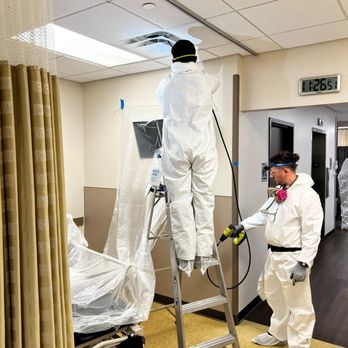
The process involves placing the entire duct system under negative pressure using a high-powered vacuum unit equipped with HEPA (High-Efficiency Particulate Air) filtration. While the vacuum pulls air toward a central containment point, specialized agitation tools are inserted into each individual vent. These tools, ranging from compressed air whips to soft-bristled rotating brushes, sweep the interior surfaces of the ducts, dislodging particles that have been trapped for years. A comprehensive service also addresses the mechanical heart of the system, including the blower housing and the condensation drain pan, ensuring the entire loop is clear of debris.
Investing in the Air You Breathe
Your home should be a sanctuary, a place where the environment is controlled, safe, and life-sustaining. By prioritizing the health of your home’s ventilation system, you are making a conscious choice to value the quality of every hour spent indoors. The benefits of clean air ducts ripple through every aspect of home life, from lower energy costs and fewer mechanical failures to a cleaner living environment and improved physical vitality.
The mechanical systems of the modern home are marvels of engineering, but they are not self-cleaning. Proactive stewardship ensures that your home remains a high-performance environment that supports your health rather than compromising it. Taking control of your indoor environment today is the best way to experience the difference that truly clean, unobstructed airflow makes for your family and your future.

