
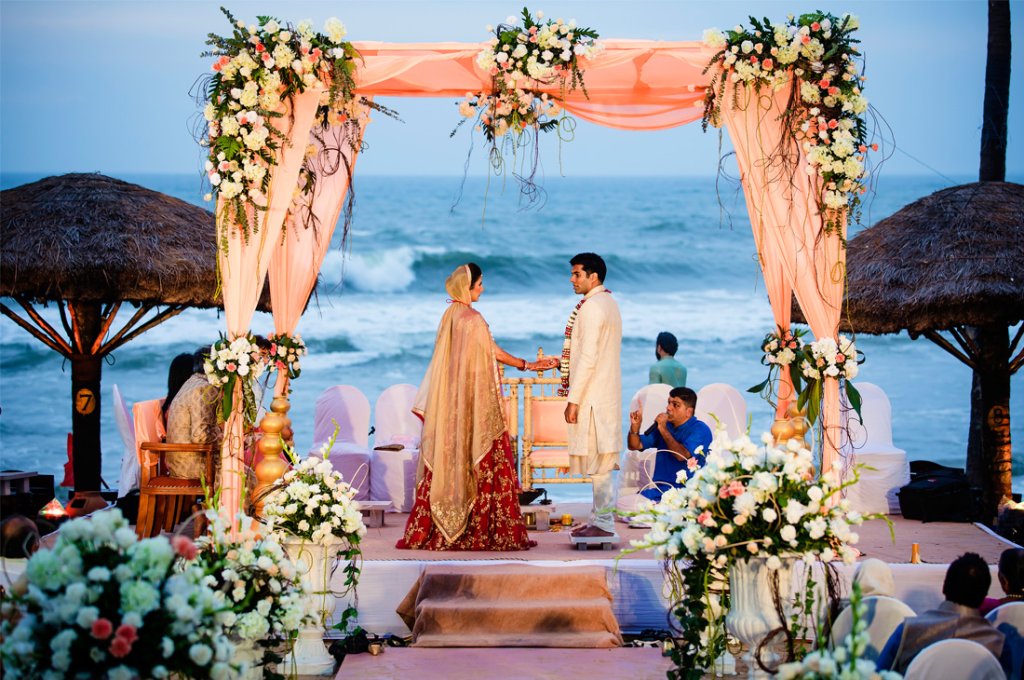
Planning a wedding is complex enough when vendors are a short drive away. Add international travel, foreign legal systems, and guests scattered across time zones, and the logistics multiply exponentially. Yet destination weddings continue to surge in popularity, with the market growing at over 13% annually as couples prioritize intimate, experience-driven celebrations over traditional hometown affairs.
The appeal is obvious. A sunset ceremony on a Mexican beach. An intimate vineyard celebration in Tuscany. A dramatic cliffside exchange of vows in Santorini. These settings create memories that a hotel ballroom simply cannot match. But transforming that dream into reality requires a different approach than planning a local wedding.
After helping thousands of couples navigate destination wedding planning, clear patterns emerge in what works, what fails, and what separates smooth celebrations from logistical disasters. Here is what you actually need to know.
The Reality Check Most Couples Skip
Before browsing resort packages or pinning beach ceremony photos, sit down for an honest conversation about what a destination wedding means for your specific situation.
First, accept the attendance math. Traditional weddings see roughly 85% of invited guests attend. Destination weddings? Expect 35% to 50%. This is not a reflection on your relationships or how much people care about you. It is simply the reality of asking working adults to take vacation days, arrange childcare, and spend thousands on travel. Some cannot. Some will not. Make peace with this before sending save-the-dates, or the decline responses will sting more than they should.
Second, examine your family dynamics. Destination weddings work beautifully for some families and create lasting resentment in others. If your grandmother has mobility challenges that make international travel impossible, or your parents have always dreamed of hosting a big hometown celebration, forcing a destination wedding creates conflict that overshadows the event itself. No beach is beautiful enough to compensate for starting your marriage with family fractures.
Third, consider your own comfort with remote planning. You likely cannot visit your venue more than once or twice before the wedding. You will select vendors based on video calls and reviews rather than in-person meetings. You will make decisions about spaces you have only seen in photographs. Some couples thrive in this environment. Others find it unbearably stressful. Know which category you fall into.
Choosing Your Destination Strategically
The romantic appeal of a location matters, but practical factors determine whether your wedding actually succeeds. Evaluate destinations across multiple dimensions before committing.
Accessibility shapes guest attendance more than any other factor. A resort in Cancun with direct flights from most major U.S. cities will draw more guests than an equally beautiful venue in Croatia requiring multiple connections. This is why Mexico dominates the destination wedding market, hosting over 70% of these celebrations. It is not just the beaches. It is the three-hour flight from Texas and the abundance of direct routes from across North America.
Legal complexity varies dramatically. Mexico and Jamaica have relatively straightforward marriage requirements. France requires weeks of residency. Italy demands extensive apostilled documentation. Some couples navigate these requirements successfully. Many others opt for a symbolic ceremony abroad and handle legal paperwork at their local courthouse before or after the trip. There is no shame in this approach. Your destination celebration is your real wedding in every emotional sense. The legal filing is just bureaucratic procedure.
Vendor infrastructure matters more than couples realize. Popular destination wedding locations have established networks of photographers, florists, and coordinators who understand destination wedding logistics. Choosing an exotic location without this infrastructure means either importing vendors at significant expense or working with professionals who lack destination wedding experience.
Weather windows can make or break outdoor ceremonies. That Caribbean resort offers incredible rates in September for a reason. It is hurricane season. Research your destination’s climate patterns across the full year, not just the month you envision.
For couples still researching options, a AI destination wedding planner can help you evaluate locations, understand requirements, and build realistic timelines based on your specific destination.
The Timeline That Actually Works
Destination weddings require longer lead times than local celebrations. The conventional wisdom suggesting 12 to 18 months of planning time exists for good reasons.
At 12 to 18 months out, you should finalize your destination, research legal requirements, and book your venue or resort package. Prime venues at popular destinations book far in advance. Waiting until 10 months out for a Saturday in peak season at a sought-after Cabo resort means settling for your third or fourth choice.
At 9 to 12 months out, send save-the-dates with destination and approximate timing information. This is not optional for destination weddings. Your guests need this lead time to request vacation days, research flights while prices are reasonable, and begin saving for travel expenses. A save-the-date arriving six months before the wedding puts guests in an impossible position.
At 6 to 9 months out, launch your wedding website with detailed travel information. Include hotel options at multiple price points, flight booking tips, passport requirements, and suggested packing lists. Your website becomes the information hub that prevents dozens of repetitive questions in your inbox.
At 10 to 12 weeks out, send formal invitations. Yes, this is earlier than traditional wedding etiquette suggests. Your guests need time to make final travel arrangements, and you need accurate headcounts earlier since destination venues often require final numbers well in advance of the event.
In the final months, focus on confirming every reservation, creating detailed itineraries, and preparing contingency plans. Triple-check every vendor confirmation. Verify every room block. Assume nothing until you have written confirmation.
Managing Guest Experience Without Managing Every Minute
The extended time together is a destination wedding’s greatest advantage and its most common planning failure. Couples either over-schedule guests into exhaustion or under-plan into awkward unstructured days.
The goal is curated options without obligation. Plan a welcome party, the wedding itself, and a farewell brunch. These are the anchors. Between them, offer optional group activities that guests can join or skip based on their preferences and energy levels. A snorkeling excursion, a wine tour, a guided city walk. Make each optional and avoid guilt-tripping guests who prefer pool time with a book.
Accommodate varying budgets without drawing attention to the differences. When booking hotel room blocks, secure options at multiple price tiers. Present them on your wedding website as choices rather than hierarchies. Some guests will happily splurge on the oceanfront suite. Others need the modest room a few blocks away. Let everyone self-select without embarrassment.
Communicate proactively and repeatedly. Create a comprehensive wedding website with every detail guests might need. Then assume half of them will not read it and be prepared to answer the same questions multiple times. This is not guests being difficult. It is human nature. Patience and redundant communication prevent frustration on all sides.
The Technology Advantage
Previous generations of destination wedding couples relied on email chains, spreadsheets, and hope. Today’s couples have access to planning tools that genuinely simplify destination wedding logistics.
Guest management becomes exponentially more complex when you are tracking not just RSVPs but also flight arrival times, hotel bookings, dietary restrictions, and activity sign-ups. A dedicated wedding planning platform centralizes this information so you are not cross-referencing five different documents to answer a simple question.
Budget tracking across multiple currencies and vendor categories prevents the nasty surprise of realizing you have overspent only after contracts are signed. The ability to see your full financial picture in real-time, with automatic currency conversion and category breakdowns, transforms budget management from stressful guesswork to informed decision-making.
Coordination between vendors who may never meet before your wedding day requires clear communication and shared timelines. When your photographer in Tulum, your florist in Playa del Carmen, and your officiant flying in from the States all have access to the same timeline and contact information, day-of logistics improve dramatically.
What To Do When Things Go Wrong
They will. Something will go wrong. The question is whether you have planned for it.
Weather is the most common destination wedding disruption. If your ceremony is outdoors, you need a rain plan. This is not negotiable. Ask your venue about indoor backup options before signing contracts. Ask what happens to your deposit if a hurricane forces postponement. Get answers in writing.
Travel disruptions affect destination weddings more than local celebrations. Flights get cancelled. Luggage gets lost. Guests miss connections. Build buffer time into your schedule. Fly in at least two days before the wedding, not the night before. Carry your wedding dress on the plane rather than checking it. Have backup plans for wedding party members who might arrive late.
Vendor no-shows happen even with reliable professionals. Sudden illness, family emergencies, and unexpected circumstances affect vendors too. Ask each vendor about their backup plan. A photography company with multiple shooters can send a replacement. A solo operator leaves you scrambling if they fall ill the day before your wedding.
Purchase travel insurance and wedding insurance. These policies cost a few hundred dollars and protect against catastrophic financial losses. A destination wedding represents a significant investment. Protect it.
The Perspective That Matters
Step back from the logistics occasionally and remember what destination weddings actually accomplish.
You will spend multiple days in a beautiful location with the people who matter most to you. Not a few rushed hours at a reception, but actual extended time together. Your guests will share meals, explore a new place, and create memories that outlast the wedding photos.
The smaller guest count is a feature, not a bug. Instead of working the room at a 200-person reception, you will have real conversations with everyone present. You will remember your wedding as a genuine celebration with loved ones, not a blur of faces and small talk.
The experience becomes the gift. Rather than another Saturday evening wedding that blends with all the others, you are giving guests a vacation. Years later, they will remember the trip, the place, the quality time together.
The logistics are challenging. The rewards are worth it. Plan carefully, communicate clearly, prepare for problems, and then let yourself enjoy the destination wedding you have worked so hard to create.
Your wedding is not just an event. It is the beginning of a journey. A destination wedding simply makes that metaphor literal.

