
Owning a home is a significant milestone, but it also comes with a range of responsibilities. One crucial aspect of home maintenance is understanding the essentials of roof and gutter systems. These elements not only protect your home from the elements but also ensure that it remains in good condition for years to come. Unfortunately, nearly 23% of homeowners admit that they never inspect their roofs proactively or only do so when a problem arises. This lack of regular maintenance can lead to costly repairs down the line.
When it comes to the lifespan of your roof, the type of material used is a major determining factor. Different roofing materials vary significantly in how long they can effectively protect your house. For instance, Thermoplastic Polyolefin (TPO) roofs have a life expectancy of about 18 to 20 years. Regular inspections and maintenance can help maximize these lifespans, ensuring that your home gets the protection it needs over the long term. Understanding these life expectancies can help homeowners budget for future repairs or replacements.
In addressing roof care, it becomes vital to understand how different materials affect longevity. Besides TPO, EPDM roofs last approximately 15 to 18 years, while PVC roofs can endure up to 30 years. Each type of roof brings its own set of maintenance needs that homeowners must address to maximize lifespan. Given these variations, homeowners should educate themselves on what their specific roof requires. By doing so, they not only prolong their roof’s life but also get the most value from their investment.
Importance of Regular Roof Inspections
Regular roof inspections are vital to the health of your home. With nearly one in four homeowners admitting they seldom check their roofs, many potential issues may go unnoticed until they become serious problems. Inspections can identify issues like missing shingles or minor leaks that can be repaired before escalating. It’s recommended that homeowners schedule inspections at least twice a year, ideally in the spring and fall. Doing so can save both time and money in the long run by preventing major damage.
For those unfamiliar with roofing systems, hiring a professional might be the best option. Professional inspectors come equipped with the knowledge and experience to spot issues an untrained eye might miss. They can assess the condition of various roofing materials, whether it’s TPO, EPDM, PVC, or others. By catching problems early, professional inspections help to prolong your roof’s lifespan. This proactive approach makes sure your home remains a safe and secure environment for your family.
While some homeowners may feel confident conducting their own inspections, caution is advised. Safety should always come first, especially when climbing ladders or accessing steep roofs. Investing in professional services not only ensures a thorough examination but also mitigates personal risks. Moreover, professionals may offer maintenance tips tailored to your specific roof type. Understanding these various facets of roof inspection empowers homeowners to make informed decisions about their property.
Understanding Roof Lifespans
Comprehending roof lifespans and their various influencing factors is essential for effective home maintenance. Each type of roofing material has a distinct lifespan, influenced by environmental conditions and the level of maintenance. As previously mentioned, TPO roofs generally last 18 to 20 years. Regular upkeep, such as cleaning and minor repairs, can extend this lifespan. Homeowners who understand these dynamics can better prepare for future investments in roof replacements.
EPDM roofs, typically lasting 15 to 18 years, require specific types of maintenance to reach their full potential. This material is known for its durability and flexibility, making it a popular choice in various climates. Yet, like all roofing materials, it isn’t immune to wear and tear. Regular inspections and timely repairs help address issues before they lead to more significant damage. This proactive maintenance extends the roof’s life and assures homeowners a greater return on their investment.
PVC roofs, renowned for their longevity, can last up to 30 years with adequate care. Often preferred for their energy efficiency and chemical resistance, these roofs require less frequent inspections compared to others. However, they still necessitate regular cleaning and occasional repairs. Understanding the unique needs of a PVC roof can enhance its performance and lifespan. Homeowners who recognize these requirements will find themselves better equipped to maintain a robust and resilient roofing system.
Ensuring Proper Gutter Drainage
Gutters are an essential part of your home’s drainage system, moving water away from the roof and foundation. According to “This Old House,” gutters should slope downwards by about a quarter of an inch every 10 feet to facilitate water flow. This slight incline is crucial for preventing water buildup, which can cause damage over time. Homeowners should routinely check and adjust their gutter systems to ensure they are operating effectively. Properly sloped gutters minimize the risk of leaks and erosion, preserving your home’s structural integrity.
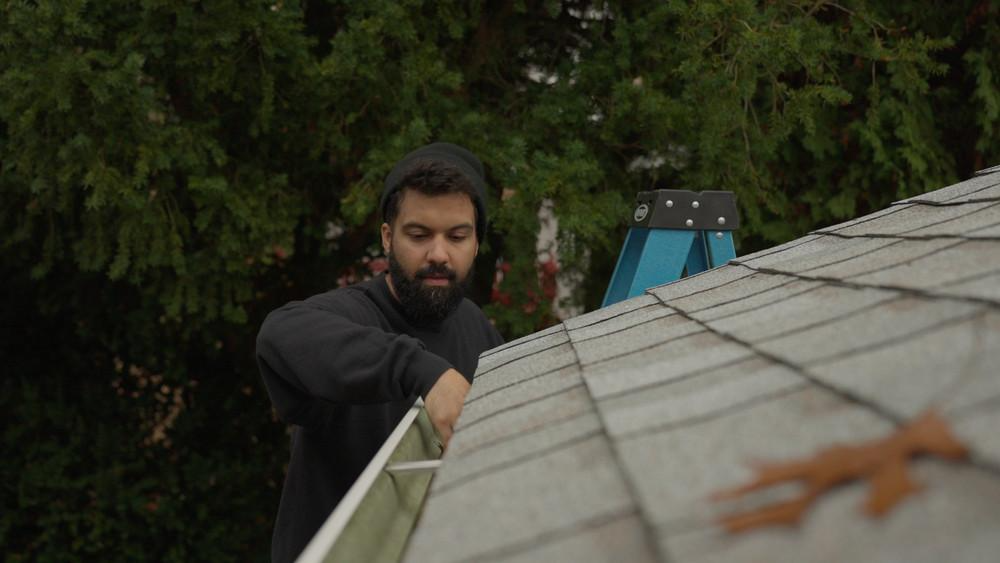
Regularly cleaning your gutters is essential in preventing water damage and maintaining proper drainage. Debris like leaves and twigs can obstruct the flow of water, leading to overflow and potential damage to both the roof and foundation. To mitigate this risk, gutters should be cleaned at least twice annually, preferably in the spring and fall. Properly maintained gutters aid in protecting your home from costly water damage. By committing to regular upkeep, homeowners safeguard their investments effectively.
Besides cleaning and adjusting the slope, homeowners often employ other measures to maintain gutter health. Installing gutter guards, for instance, can significantly reduce the amount of debris entering the system. These covers allow water to flow freely while blocking out unwanted materials. This investment not only reduces the need for frequent cleaning but also optimizes water diversion from your home. Maintaining this balance ensures your property remains protected against water-related issues.

