
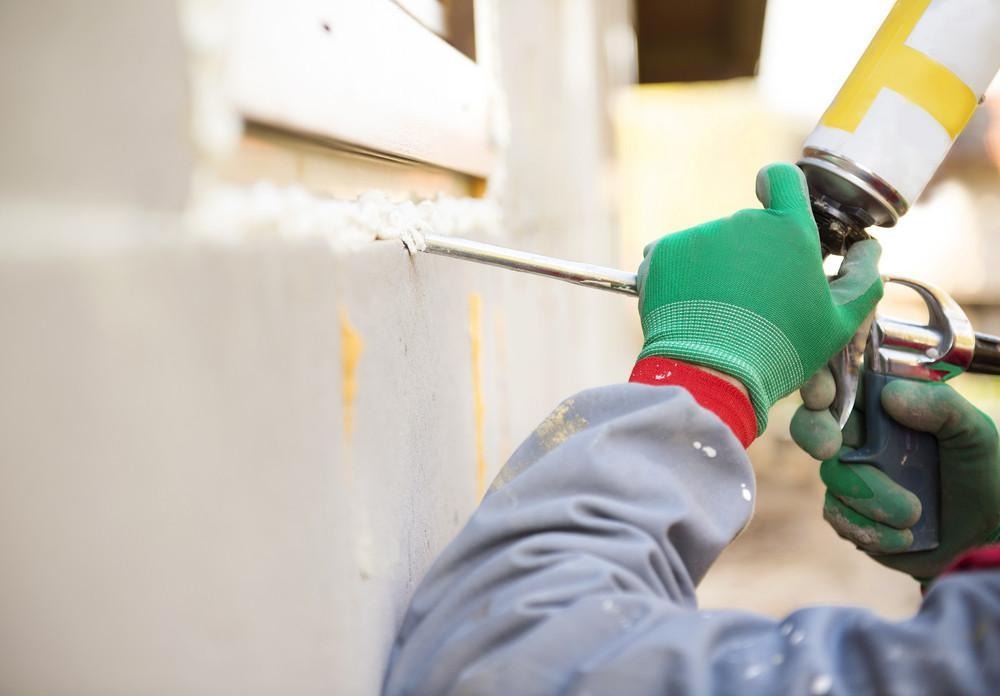
Remodeling older homes offers a unique opportunity to enhance energy efficiency, ultimately leading to reduced monthly costs. As 80% of homes in the United States are more than 20 years old, according to Comfy Living, the need for renovations becomes increasingly evident. By modernizing these spaces, homeowners not only improve living conditions but also experience potential savings through efficient enhancements.
Understanding the Necessity of Remodeling
The Age Factor
Many homes across the U.S. are significantly aged, contributing to decreased functionality and higher maintenance needs. Homeowners often face challenges with outdated systems that hinder energy efficiency. Addressing these factors can dramatically influence a home’s operational costs.
Structural Integrity Concerns
Older structures may suffer from compromised integrity, affecting energy usage and safety. Renovations offer a chance to upgrade foundational elements to meet current standards. This improves both the longevity of the home and its energy consumption profile.
The Lifestyle Shift
The expectations and needs of modern living demand spaces that support efficiency and comfort. Renovating older homes provides an opportunity to tailor these environments to present-day standards. This adaptation also aligns with potential energy savings, supporting a sustainable lifestyle.
The Impact of Energy-Efficient Improvements
Reduced Utility Bills
Implementing energy-efficient solutions can result in substantial savings on utility bills. According to ENERGY STAR, homeowners could potentially reduce their utility expenses by up to 20% through such improvements. These savings contribute positively to the household budget.
Environmental Benefits
Energy-efficient modifications not only reduce costs but also lessen environmental impact. By decreasing energy consumption, the carbon footprint of a home is minimized. This approach supports broader sustainability goals for the community.
Increased Property Value
Homes that undergo energy-efficient upgrades generally experience a boost in market value. Prospective buyers often prioritize properties with lower operational costs and environmentally friendly features. Thus, remodeling to enhance energy efficiency is a sound investment.
The Financial Aspect of Renovation Projects
Average Costs
The financial commitment to home renovation varies widely based on project scope and home size. According to a 2022 Houzz study, the median national expenditure on home renovations in 2021 was $18,000. This investment can enhance comfort and efficiency, leading to long-term financial benefits.
Budget Considerations
Homeowners must consider the comprehensive costs of remodeling, balancing initial expenses with potential savings. Strategic planning can help in prioritizing improvements that offer the greatest return on investment. Investing wisely ensures that each dollar spent maximizes efficiency gains.
Long-term Savings
While renovation projects require upfront capital, the long-term savings on utilities can be substantial. Improved energy efficiency reduces the home’s operational costs over time. These savings can potentially offset the initial investment, making it a financially savvy decision.
The Role of Professional Guidance
Expert Evaluations
Consulting with professionals can help identify the most impactful areas for improvement. They provide valuable insights into the latest technologies and materials that enhance energy efficiency. This expertise ensures that renovations are both effective and aligned with industry standards.
Technical Precision
Professional remodelers bring technical skills that are crucial for successful energy upgrades. Their experience aids in the precise execution of projects, optimizing resource usage. Homeowners stand to gain significantly from the quality workmanship provided by experienced contractors.
Compliance Assurance
Renovating older homes often involves navigating complex building codes and regulations. Professional guidance ensures compliance with local laws, preventing costly penalties. Proper adherence to regulations also guarantees the safety and reliability of the remodeled space.
The Path to an Efficient Future
Embracing Innovation
Remodeling provides the opportunity to incorporate the latest energy-efficient technologies into the home. Homeowners can embrace smart home advancements to optimize energy consumption. These innovations pave the way for a more sustainable and cost-effective living environment.
Community Influence
Adopting energy-efficient remodeling solutions can inspire similar efforts within the community. As more homes in a neighborhood become efficient, collective energy use decreases significantly. This communal approach supports broader environmental goals.
Maintaining Momentum
Sustaining the benefits of remodeling requires ongoing maintenance and adjustments. Homeowners should regularly assess their systems and stay informed about new efficiency practices. Continuous improvement ensures lasting energy savings and cost reduction.
Remodeling an older home proves advantageous in enhancing energy efficiency and reducing expenses. With many homes in the U.S. aged beyond 20 years, initiatives to update these spaces are both necessary and beneficial. Through strategic planning and professional guidance, homeowners can enjoy improved living conditions and financial savings while contributing positively to the environment.

