
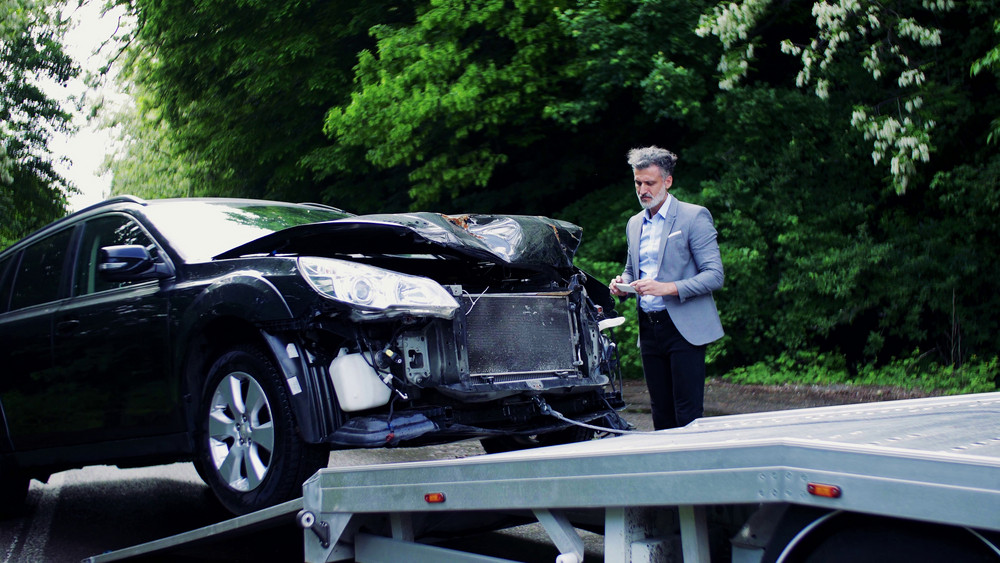
Every year, millions of drivers find themselves stranded on the side of the road, in need of assistance. Whether it’s a dead battery, a flat tire, or a more serious mechanical issue, the solution for many of these unfortunate motorists often results in the vehicle needing a tow. Roadside assistance services are a lifeline for drivers, but the frequency at which these calls escalate to towing has important implications. This article delves into the reasons behind the high rates of calls leading to tows, explores the growth of the auto towing industry, and examines why a tow might be the go-to solution for many roadside incidents. Understanding these dynamics is crucial for both the service providers and the auto industry as a whole.
The Growing Auto Towing Industry
The auto towing industry has seen steady growth over the past several years, reflecting a broader trend in transportation services. According to industry reports, revenue for the auto towing sector has been rising at an average annual rate of 2.4% in recent years, positioning the industry to reach an estimated valuation of $12.5 billion by 2024. This growth can be attributed to several factors, including a rising number of vehicles on the road and an increasing reliance on on-demand services. As more drivers turn to roadside assistance, the demand for towing services naturally rises in tandem. For many service providers, towing has become a significant part of their business model, necessitating a robust and efficient operational structure to meet customer needs.
The increasing dependency on technology within vehicles also drives the demand for towing services. Modern vehicles are equipped with complex electronic systems that can lead to complications if they malfunction. When these systems fail, drivers often find themselves unable to address the problem without professional help, leading to an increased likelihood of needing a tow. This technical advancement, while improving driving experience, has also inadvertently contributed to a surge in callouts for specialized roadside assistance. The integration of technology into everyday driving routines means that roadside assistance providers need to adapt, offering more specialized towing solutions to accommodate these needs.
Furthermore, roadside assistance packages often include towing as a standard service, leading to a natural increase in the number of tows conducted. When a vehicle cannot be easily repaired on the spot, a tow may become the most efficient option for getting the driver back on the road. This convenience for the driver can sometimes lead to calls that may result in tows even for minor issues. As consumer expectations of convenience and immediate solutions grow, the towing industry has adapted to meet these evolving demands. This alignment between consumer expectations and service availability underscores the role of towing as a necessary component of modern roadside assistance offerings.
Why Roadside Assistance Often Leads to a Tow
Statistics indicate that a significant majority of roadside assistance calls culminate in vehicles being towed. A study conducted in the United States revealed that in 2022, approximately 88 million roadside assistance calls were made, with around 80% necessitating a tow. This high ratio can be attributed to the nature of contemporary vehicles and the typical circumstances of breakdowns. In many cases, the issues faced by drivers, such as transmission failures or severe engine problems, cannot be resolved with simple on-the-spot repairs, necessitating a tow to a suitable repair facility. Thus, towing services become indispensable for efficiently managing more serious vehicular problems.
The logistics of roadside assistance today often tip the balance in favor of towing as a practical solution. Many service providers operate on efficiency protocols that prioritize quick resolution to ensure customer satisfaction. In situations where it appears time-consuming or impractical to diagnose and fix a problem on the road, towing becomes the default course of action. This approach enables service providers to manage time effectively while ensuring that customers’ vehicles receive the necessary professional attention. For the industry, this model not only streamlines operations but also enhances service delivery in a competitive market.
Additionally, consumer habits and expectations play a crucial role in the preponderance of tows following roadside assistance calls. Drivers often prefer reliability and speed over potential cost savings, favoring a certain and secure solution to their vehicular issues. The certainty offered by a tow to a licensed repair facility often outweighs the uncertainty of roadside repairs, which may require additional resources. This mentality is mirrored by towing service providers who ensure that their offerings align with consumer expectations, focusing on reliability, safety, and assurance as top priorities. Consequently, tows have become a staple of roadside assistance, aiding in maintaining high levels of customer satisfaction.
Understanding the Nuances of a Tow
While towing is widely perceived as a straightforward process, the details and implications of each tow can vary significantly. A short, local tow, typically defined as anything under 10 miles, differs in cost, logistics, and complexity from long-distance or emergency towing. Short-distance towing is often more frequent, providing a quick and practical solution for minor incidents or when proximity to a repair shop is advantageous. However, providers must maintain a fleet capable of handling varied towing requests, ensuring they cater to both localized and longer-haul operations. This versatility in service offerings ensures businesses can support a diverse clientele with differing needs and expectations.
Furthermore, the safety factor is an influential component driving the decision to tow. When a vehicle issue poses a risk to the driver or other road users, towing ensures that the vehicle is removed safely and securely. In some scenarios, weather, road conditions, or the specific nature of a breakdown necessitates the added precaution of a tow. Safety protocols are a priority for all roadside assistance operations, and towing is an effective measure for mitigating risks associated with stalled vehicles. Emphasizing safety through towing helps uphold a standard of care expected by service providers and demanded by consumers, reinforcing the critical nature of towing within roadside assistance frameworks.

