
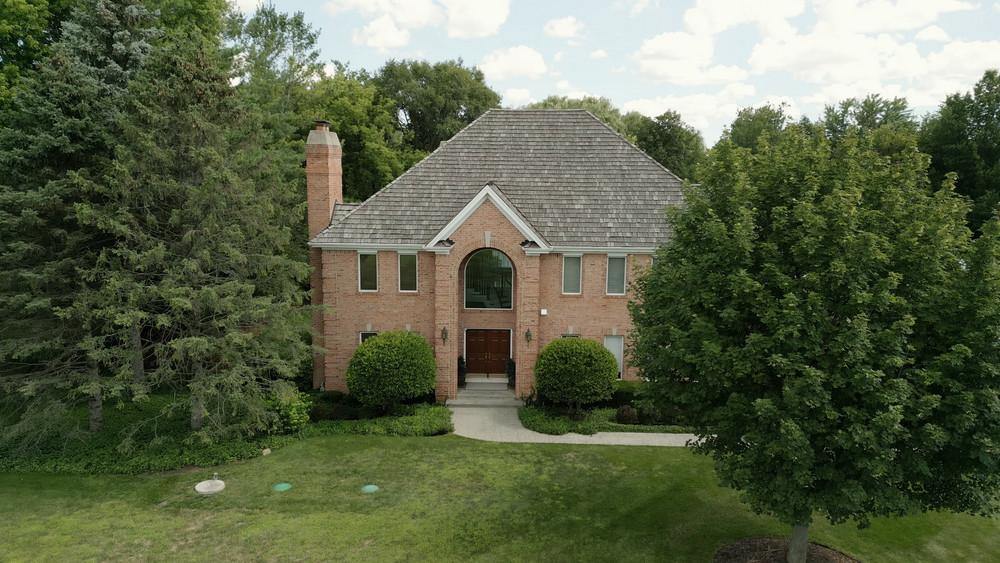
Your roof protects every part of your home from weather, moisture, and environmental damage. Because it sits out of sight for most homeowners, roofing problems often go unnoticed until serious issues appear. Understanding the warning signs of roof failure can help you address problems early and avoid costly structural damage.
While regular maintenance can extend a roof’s lifespan, every roofing system eventually reaches a point where replacement becomes necessary. Recognizing when that moment arrives allows homeowners to plan ahead rather than reacting to emergency leaks or storm damage. By learning the most common signs of roofing deterioration, you can determine when it may be time to start planning for a new roof.
Roof Replacement Is a Common Home Improvement Project
Many homeowners eventually face the need for a roof replacement. Roofing materials naturally wear down over time due to constant exposure to sun, rain, wind, and seasonal temperature changes. As a result, replacing a roof is one of the most common major home maintenance projects.
According to RubyHome, 5 million new roofs are installed each year. This large number shows how frequently homeowners invest in new roofing systems to protect their properties. While roof replacements may seem like a major undertaking, they are an important part of maintaining a home’s structural integrity.
Knowing that roof replacement is a normal part of homeownership can help homeowners approach the process with less stress. Planning ahead allows you to choose materials, schedule the project, and avoid emergency repairs caused by unexpected leaks.
Consider the Age of Your Roof
One of the most reliable indicators that a new roof may be needed is the age of the existing roofing system. Roofing materials are designed to last a certain number of years, but eventually they begin to weaken and lose their protective capabilities.
According to This Old House, asphalt shingle roofs usually last 15 to 30 years. If your roof is approaching or exceeding this age range, it may be time to begin evaluating its condition more closely.
Even if a roof appears intact from the ground, aging materials may have weakened seals, worn granules, or underlying structural issues. As shingles age, they become less flexible and more vulnerable to cracking or lifting during storms.
Homeowners who are aware of their roof’s age can plan for replacement before major damage occurs. This proactive approach prevents emergency repairs and allows time to select the right materials for the next roofing system.
Watch for Visible Shingle Damage
Shingles form the outer protective layer of many residential roofs. When shingles begin to deteriorate, they often provide visible clues that the roof is reaching the end of its lifespan.
Common warning signs include cracked shingles, curling edges, missing sections, or bald spots where protective granules have worn away. These problems reduce the roof’s ability to shed water effectively, increasing the risk of leaks.
Granule loss is another indicator that shingles are aging. Homeowners may notice dark patches on the roof or find shingle granules collecting in gutters and downspouts. These granules help protect shingles from ultraviolet radiation, and their loss often signals that the roofing materials are deteriorating.
When multiple areas of the roof begin showing these signs, it may be more practical to consider replacement rather than repeated repairs.
Look for Water Damage Inside the Home
Roof problems are not always visible from the outside. In many cases, the first signs of roofing failure appear inside the home. Water stains on ceilings or walls can indicate that moisture is entering through damaged roofing materials.
Other warning signs may include peeling paint, damp insulation in the attic, or musty odors caused by hidden moisture buildup. If water begins penetrating the roof structure, it can quickly spread to other areas of the home and cause significant damage.
Addressing these problems early is essential. Even a small leak can weaken wood framing, damage drywall, and promote mold growth. If water intrusion becomes frequent or widespread, replacing the roof may be the most effective long term solution.
Schedule Inspections for Older Roofs
Regular roof inspections help homeowners identify potential issues before they develop into serious problems. Professional roofing contractors can evaluate the condition of shingles, flashing, ventilation systems, and structural components.
According to Bob Vila, it is recommended to get your roof inspected by a roofing contractor if it is over 10 years old. Older roofs are more susceptible to wear and tear, making periodic inspections especially important.
During an inspection, roofing professionals look for subtle signs of deterioration that homeowners might miss. They can identify damaged areas, recommend repairs, and estimate how much life remains in the current roofing system.
Routine inspections provide valuable information that helps homeowners decide when replacement may be necessary.
Increasing Repair Frequency May Signal Replacement
Occasional roof repairs are normal throughout a roof’s lifespan. However, when repairs become more frequent, they may indicate that the roofing system is nearing the end of its useful life.
Repeatedly replacing shingles, repairing flashing, or addressing leaks can quickly add up in cost. In many cases, investing in a new roof becomes more economical than continuing to repair an aging one.
A full replacement also offers the opportunity to upgrade materials, improve ventilation, and strengthen the overall roofing structure. These improvements help ensure the home remains protected for decades to come.
Your roof plays a critical role in protecting your home from weather, moisture, and structural damage. Recognizing the signs that it may be time for a new roof helps homeowners address issues before they become emergencies. Factors such as roof age, visible shingle damage, interior water stains, and frequent repairs can all signal that replacement is approaching. With millions of new roofs installed each year, homeowners regularly make this investment to maintain their properties. By scheduling inspections and monitoring the condition of your roof, you can plan for replacement at the right time and ensure your home remains safe and protected.

