
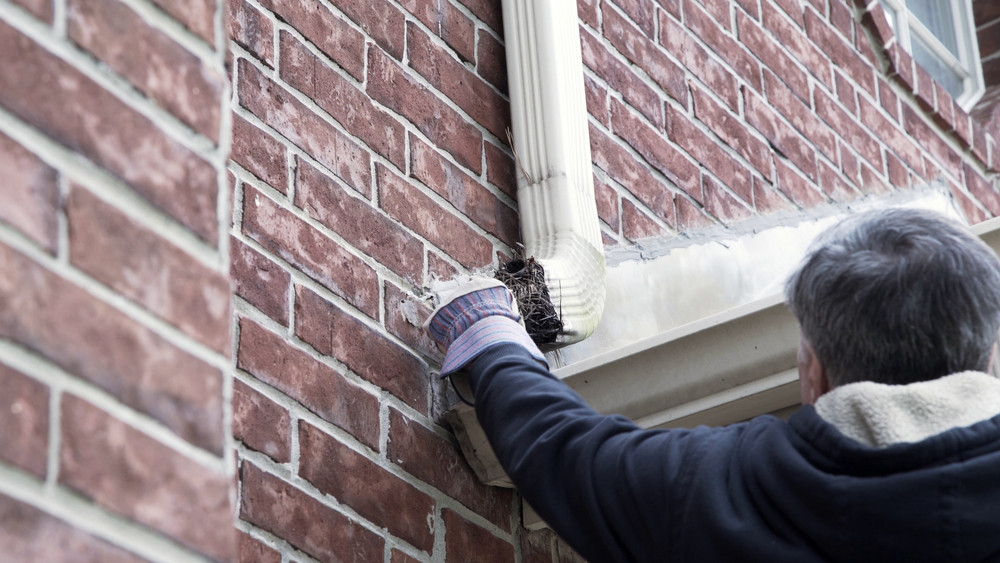
Home improvement projects often focus on visible upgrades like new siding, fresh paint, landscaping, or remodeled interiors. However, many homeowners overlook one of the most important systems protecting those investments: the gutters. Gutters quietly direct rainwater away from the roof, foundation, siding, and landscaping. When they are neglected, clogged, or improperly installed, water damage can quickly undo expensive home upgrades. Maintaining your gutters properly is essential for protecting both the appearance and structural integrity of your property.
Aging Gutters Can Lead to Costly Damage
Like any exterior feature, gutters do not last forever. Over time, exposure to rain, sunlight, debris, and temperature changes causes gutters to weaken, sag, crack, or pull away from the home. When gutters fail, water can overflow and seep into areas where it does not belong, including roofing materials, fascia boards, foundations, and basements.
According to Bob Vila, standard residential gutters typically last between 10 and 15 years before replacement may become necessary. Older gutters are more likely to develop leaks, rust, or loose connections that reduce their effectiveness during heavy rainstorms.
When water is not directed away properly, it can damage landscaping, stain siding, and erode soil around the foundation. In some cases, excessive moisture near the home can even contribute to basement flooding or foundation settling. Homeowners who invest in exterior renovations such as fresh paint, new windows, or updated landscaping may find those improvements deteriorating much faster if faulty gutters are ignored.
Clogged Gutters Put Your Home at Risk
Even newer gutters can cause serious problems if they are not cleaned regularly. Leaves, pine needles, dirt, and roof debris can build up inside the system and block water flow. When this happens, rainwater overflows the sides instead of draining safely through the downspouts.
Overflowing gutters can damage roofing materials and create moisture buildup beneath shingles. Water spilling down exterior walls may also stain siding or contribute to mold and mildew growth. During colder weather, clogged gutters increase the likelihood of ice dams, which can trap water on the roof and lead to leaks inside the home.
According to Bob Vila, gutters should generally be cleaned every six to 12 months to maintain proper performance. Homes surrounded by large trees may require even more frequent cleaning due to increased debris accumulation.
Installing gutter guards may help reduce debris buildup, but they do not eliminate the need for periodic inspections. Homeowners should still check gutters regularly to ensure water flows freely and downspouts remain clear.
Proper Gutter Slope Is Essential for Drainage
A gutter system must be installed correctly to function efficiently. One of the most important factors is the gutter slope, also called the pitch. Gutters rely on a slight angle to guide rainwater toward the downspouts. Without the proper slope, water can pool inside the gutters instead of draining away from the home.
According to This Old House, gutters should have a minimum slope of 1/4 inch for every 10 feet of gutter length. This gradual angle allows water to move efficiently while preventing standing water from collecting inside the system.
Gutters play a critical role in protecting your home from water damage, yet they are often overlooked until problems appear. Aging systems, clogged debris, and improper drainage can all undo expensive home improvements and lead to costly repairs. By cleaning gutters regularly, monitoring their condition, and ensuring proper installation, homeowners can protect their investments and maintain the long-term health of their property. A well-maintained gutter system provides an important layer of defense against the damaging effects of uncontrolled rainwater.

