
If you’ve ever walked into your home and been greeted by the unmistakable smell of a litter box, you know the frustration all too well. Plastic litter boxes scratch easily, trap odors in their porous surfaces, and eventually become impossible to keep fresh no matter how often you scrub them. For cat owners tired of replacing stained, smelly boxes every few months, there’s a better option. A stainless steel cat litter box represents a premium upgrade that tackles the most persistent problems cat owners face. Built to resist odor absorption, scratches, and bacterial buildup, these boxes offer a durable and odor-free solution that lasts for years rather than months. They’re remarkably easy to clean, maintain a hygienic environment for your cat, and keep your living space smelling fresh. In this article, we’ll explore why stainless steel outperforms traditional materials, what features matter most, how to choose the right box for your cat, and how to maintain it effortlessly for long-term performance.
Why Choose a Stainless Steel Cat Litter Box? The Ultimate Benefits
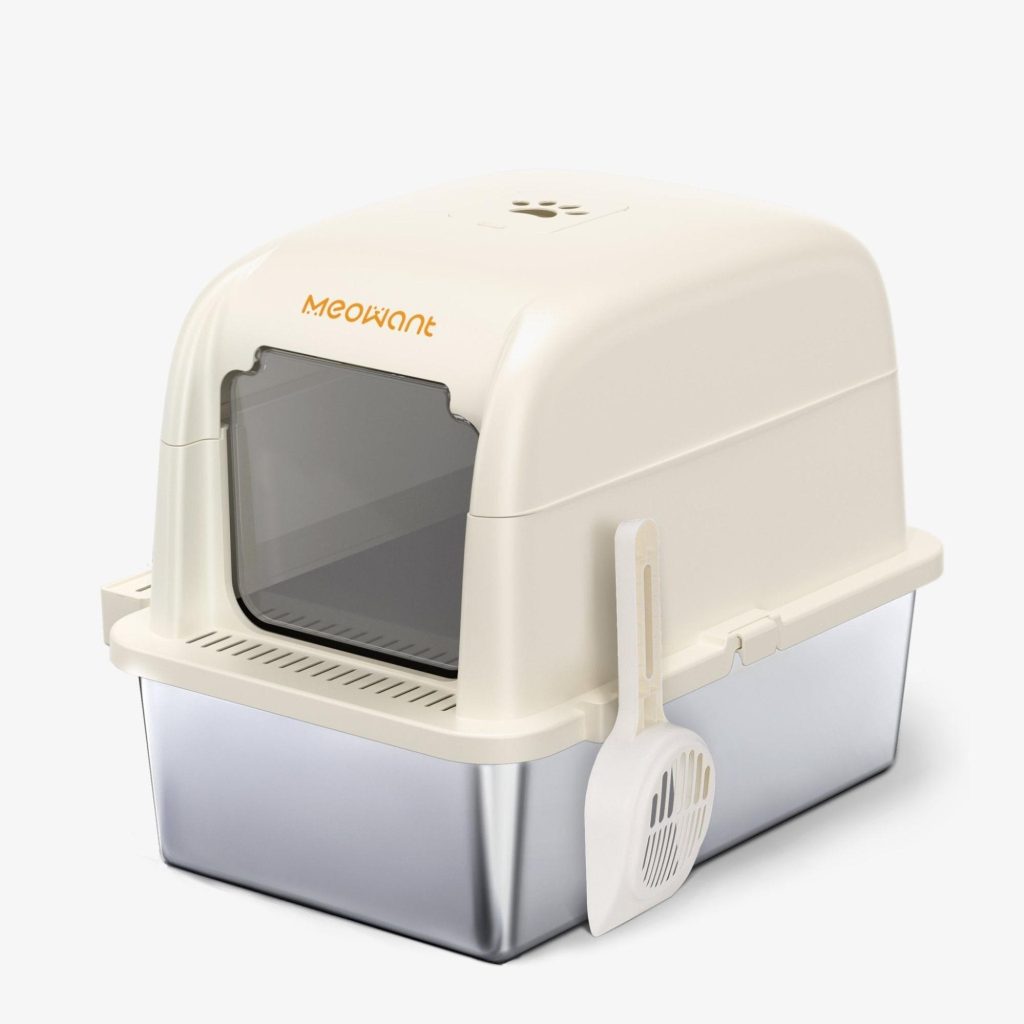
When you compare a stainless steel cat litter box to its plastic counterpart, the differences become immediately apparent. Plastic is a porous material that develops microscopic scratches from daily scooping, creating tiny grooves where bacteria thrive and odors become permanently embedded. Stainless steel eliminates this problem entirely with its non-porous, smooth surface that refuses to harbor smells or germs. Beyond hygiene, this material won’t warp, crack, or discolor over time, making it a one-time investment rather than a recurring expense. For health-conscious cat owners, the antibacterial properties of stainless steel mean fewer harmful microorganisms in your cat’s environment, reducing the risk of urinary tract infections and other health issues linked to unsanitary litter conditions. An odor-free cat litter box isn’t just about comfort—it’s about creating a healthier home for everyone.
Durability That Lasts a Lifetime
Stainless steel resists scratches from even the most aggressive diggers, won’t crack if bumped or dropped, and stands up to corrosion from urine and moisture. While plastic boxes typically need replacing every six to twelve months as they deteriorate, a quality stainless steel box maintains its structural integrity and appearance indefinitely.
Superior Odor Control for a Fresher Home
Because stainless steel is completely non-porous, odor-causing molecules have nowhere to penetrate or linger. Each cleaning returns the surface to a truly neutral state, meaning your litter box area stays fresh between changes rather than accumulating that stubborn ammonia smell that plagues plastic alternatives.
Key Features of the Best Stainless Steel Cat Litter Box
Not all stainless steel cat litter boxes are created equal, and understanding which features truly matter will help you invest wisely. The best options combine thoughtful design with practical functionality to address the everyday realities of cat ownership. Look for boxes with rolled or folded safety edges that prevent your cat from cutting themselves and protect your hands during cleaning. A non-stick surface treatment makes waste removal effortless, while a flat, stable base prevents tipping even when your cat digs enthusiastically. Weight matters too—a slightly heavier box stays put on hard floors without sliding around during use. The overall construction should feel solid without any seams or welds where waste could collect, as seamless designs are what truly make a stainless steel litter box hygienic and easy to maintain over the long term.
Size and Capacity: Finding the Right Fit
Your cat should be able to turn around comfortably, dig, and squat without hanging over the edges. For larger breeds like Maine Coons or Ragdolls, a large cat litter box with dimensions of at least 20 by 15 inches provides adequate space. Multi-cat households benefit from oversized options that accommodate shared use without feeling cramped, reducing the likelihood of accidents outside the box.
Design Elements for Easy Cleaning
An easy to clean cat litter box features smooth interior corners rather than sharp angles where clumps get trapped. Low entry sides help older or arthritic cats step in comfortably, while higher back walls contain litter scatter from vigorous diggers. Some models include removable rims or splash guards that detach for separate washing, simplifying your cleaning routine significantly.
How to Select the Right Stainless Steel Litter Box for Your Cat
Choosing the right stainless steel litter box requires more than simply picking the first option you find. Start by measuring the space where you plan to place the box, then consider your cat’s specific characteristics and habits. A methodical approach ensures you invest in a box that serves both you and your cat well for years to come. Think about whether you need high sides for a cat that sprays or kicks litter, or whether low-entry access matters more for a senior cat with joint issues. Consider the finish quality—food-grade stainless steel with a brushed exterior resists fingerprints and water spots better than polished versions. Check that the gauge of steel is thick enough to prevent flexing or denting during everyday use, as thinner materials may buckle under pressure or produce unwanted noise when your cat jumps in.
Assessing Your Cat’s Needs and Preferences
A kitten needs a box with low sides for easy entry, while an adult cat benefits from deeper walls that contain mess. If you have multiple cats, the general rule is one box per cat plus one extra, though a larger stainless steel option can sometimes serve two cats who share comfortably. Senior cats or those with arthritis need a front entry point no higher than three to four inches. Observe your cat’s digging style—aggressive diggers need higher walls and a heavier box that won’t shift during use. Cats who prefer privacy may adapt better to a covered setup, while others refuse enclosed spaces entirely.
Comparing Brands and Models
When evaluating different stainless steel litter boxes, focus on construction details rather than marketing claims. Seamless, single-piece designs outperform welded models because they eliminate crevices where waste accumulates. Look for boxes with reinforced bases that sit flat without rocking, and check whether the edges are properly finished to prevent sharp spots. Read owner reviews specifically mentioning long-term use, as initial impressions often differ from six-month experiences. Brands like Meowant offer the best stainless steel cat litter box with enclosure-compatible designs that fit inside furniture pieces, which works well for apartment dwellers who want their odor-free cat litter box hidden from view while maintaining full accessibility for cleaning.
Step-by-Step Guide to Cleaning and Maintaining Your Stainless Steel Litter Box
One of the greatest advantages of owning a stainless steel cat litter box is how straightforward maintenance becomes compared to plastic alternatives. Because the surface won’t absorb waste or develop scratches that trap debris, your cleaning routine transforms from a dreaded chore into a quick, simple task. The key to keeping your box performing at its best lies in establishing consistent habits that prevent buildup before it starts. You’ll need just a few basic supplies: a sturdy metal scoop, unscented dish soap, white vinegar or a pet-safe enzymatic cleaner, soft microfiber cloths, and baking soda for occasional deodorizing. Avoid abrasive scrubbers like steel wool or harsh chemical cleaners containing bleach, as these can damage the protective chromium oxide layer that gives stainless steel its corrosion resistance. With the right approach, your easy to clean cat litter box will remain spotless and odor-free with minimal effort throughout its entire lifespan.
Daily and Weekly Maintenance Routines
Daily maintenance takes less than two minutes. Scoop all clumps and solid waste at least once per day—twice if you have multiple cats sharing the box. After scooping, use a dry microfiber cloth to wipe down any residue clinging to the walls above the litter line. Once a week, dump all remaining litter, rinse the box with warm water, and wipe the interior with a cloth dampened with diluted dish soap. Rinse thoroughly, dry completely with a clean towel to prevent water spots, then refill with fresh litter to a depth of two to three inches. This weekly reset keeps ammonia from ever gaining a foothold and maintains the odor-free environment that makes stainless steel superior to porous materials.
Deep Cleaning for Long-Term Odor Control
Every three to four weeks, perform a deep clean to ensure no microscopic residue accumulates. After emptying the litter, fill the box with warm water and add two tablespoons of white vinegar or a pet-safe enzymatic cleaner. Let the solution sit for ten to fifteen minutes to break down any invisible organic matter. Scrub gently with a soft sponge, paying attention to corners and the base where moisture tends to collect. Rinse multiple times until no cleaning product remains, as residual scents can deter cats from using the box. Dry the entire surface thoroughly before adding fresh litter—trapped moisture beneath litter creates conditions for bacterial growth. Sprinkle a thin layer of baking soda on the dry bottom before adding litter for an extra odor-absorption barrier that reinforces your stainless steel box’s naturally odor-free properties.
Addressing Common Concerns and Solutions for Stainless Steel Litter Boxes
Despite the clear advantages, some cat owners hesitate before switching to a stainless steel litter box due to a few common concerns. The most frequent worry involves noise—metal can amplify the sound of digging and scratching, which may startle nervous cats or bother owners in quiet apartments. A simple fix is placing a rubber mat or silicone pad beneath the box to dampen vibrations, which also prevents the box from sliding on tile or hardwood floors. Some owners notice their cats initially seem wary of the new surface, as the feel and temperature differ from familiar plastic. Others question whether the higher upfront cost truly justifies the switch. Understanding these concerns and their straightforward solutions helps you move forward confidently, knowing that the long-term benefits of durability and odor control far outweigh any brief adjustment period.
Overcoming Initial Cost and Setup Hurdles
A stainless steel cat litter box costs more upfront than plastic, but the math favors it quickly. When you factor in replacing plastic boxes two or three times per year, buying odor-neutralizing sprays, and spending extra time scrubbing stained surfaces, the stainless steel option pays for itself within the first year. Think of it as a one-time investment that eliminates recurring expenses while delivering consistently better performance in odor control and hygiene.
Ensuring Cat Comfort and Adaptation
If your cat seems hesitant, place the new stainless steel box next to the old one for a few days, filling both with the same familiar litter. Most cats transition within a week once they realize the box feels stable and stays cleaner. Adding a slightly thicker layer of litter initially helps mask the metal surface temperature, and the odor-free environment actually encourages continued use since cats naturally prefer the cleanest available option.
A Lasting Investment in Durability, Hygiene, and Odor-Free Living
A stainless steel cat litter box delivers on three fronts that matter most to cat owners: unmatched durability that eliminates the cycle of replacing worn-out boxes, genuine odor control through a non-porous surface that never absorbs smells, and effortless cleaning that turns a dreaded chore into a quick daily task. Unlike plastic alternatives that deteriorate within months, stainless steel maintains its performance and appearance year after year, making it a smart long-term investment in your home’s hygiene and your cat’s health. The initial adjustment period is brief, the maintenance routine is simple, and the results speak for themselves every time you walk past a litter box area that smells like nothing at all. Whether you have a single kitten or a multi-cat household with large breeds, there’s a stainless steel option designed to fit your space and meet your needs. Making the switch means choosing a cleaner, fresher home environment that both you and your cats will appreciate every single day.

