
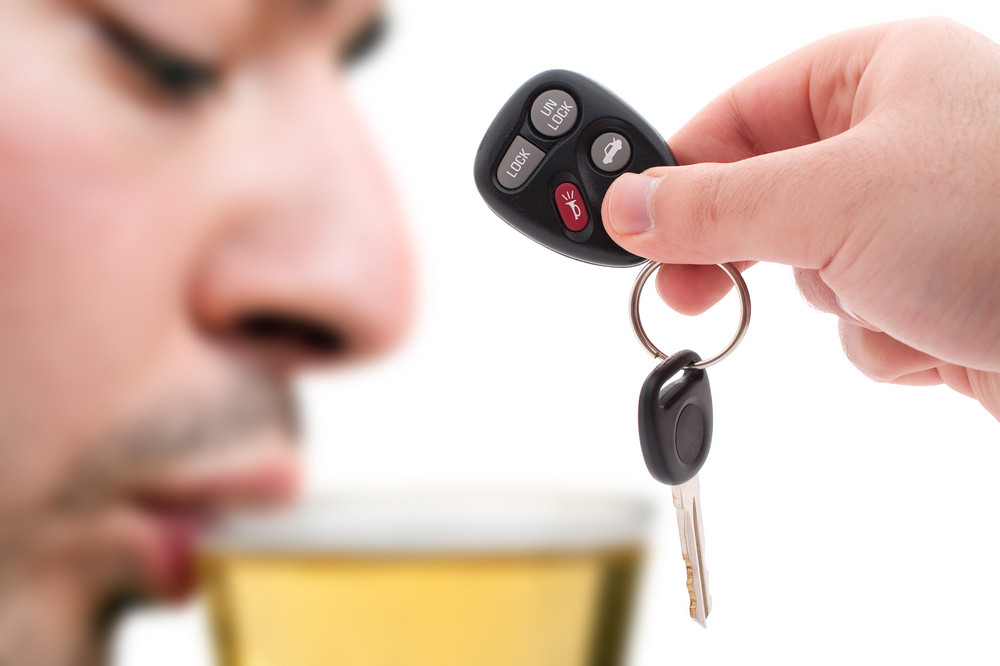
When a vehicular collision occurs, public attention immediately focuses on the individuals holding the steering wheels. Most people assume that establishing financial and legal liability after a serious collision simply comes down to identifying which motorist made a mistake on the road. However, modern personal injury law and accident investigations reveal that the legal reality is far more intricate. Assigning fault after an auto crash often requires looking past the immediate drivers to investigate third parties, corporate entities, commercial establishments, and government bodies. Understanding the full spectrum of legal liability demonstrates why accountability in highway collisions is rarely a simple, open-and-closed matter between two motorists.
Third-Party Liability and Dram Shop Laws
One of the clearest ways liability extends beyond the vehicle cabin is through liquor liability statutes, commonly known as dram shop laws. Commercial establishments that serve alcohol hold a legal duty of care toward the general public. When a bar, tavern, or restaurant continues serving alcohol to an obviously intoxicated patron who subsequently gets behind the wheel and causes a devastating auto wreck, the business itself can be held financially responsible for the resulting injuries and loss of life.
The legal precedent for commercial responsibility in impaired driving cases can reach staggering proportions. According to KIII-TV, a jury awarded the family of drunk driving victims more than $301 billion after a suspect was overserved at a Corpus Christi bar. This historic civil judgment underscores that commercial establishments face immense legal risk when they prioritize alcohol sales over public safety. Dram shop claims serve as a vital legal avenue for families seeking justice when a negligent establishment directly enables a devastating crash on public roadways.
Strict Standards for Underage Operators
The liability framework regarding impaired driving becomes even more rigid when underage motorists are involved. State legislatures maintain distinct legal thresholds for younger drivers to deter dangerous behavior on the road. Parents, vehicle owners, and young drivers must recognize that standard legal limits of intoxication don’t apply uniformly across all age brackets when assessing fault and legal violations in an auto collision.
State laws enforce stringent rules to maximize safety on public thoroughfares. According to the Texas Department of Public Safety, Texas has a zero-tolerance law, meaning it’s illegal for any minor to operate a vehicle while having any amount of alcohol in their system, even if it’s below 0.08%. In auto accidents involving drivers under the age of 21, establishing liability doesn’t require proving that the young driver was visibly impaired or above the standard adult limit. Any trace of alcohol establishes immediate legal fault for the violation, opening up potential civil claims against both the young driver and any adults who provided the alcohol or entrusted the vehicle to them.
Employers, Manufacturers, and Government Responsibility
Beyond alcohol vendors and underage operators, liability in auto collisions frequently extends to corporate employers, automobile manufacturers, and government entities responsible for road design. Under the legal doctrine of respondeat superior, an employer is vicariously liable for the actions of an employee who causes a crash while acting within the scope of their employment. If a delivery driver, courier, or commercial trucker causes a multi-vehicle pileup, the parent company can be held financially accountable for negligent hiring, improper vehicle maintenance, or demanding unsafe driving schedules.
Furthermore, auto manufacturers face strict product liability when mechanical defects—such as faulty airbag deployments, tire blowouts, or brake failures—cause or worsen a crash. Similarly, state or municipal agencies can share fault if poor road design, obscured traffic signs, or neglected potholes directly contribute to a collision. Identifying these secondary parties is often essential for victims seeking full financial recovery.
The National Impact of Driver Impairment
Despite the legal mechanisms designed to hold third parties accountable, the sheer volume of preventable collisions remains a critical public safety crisis. Impaired driving continues to be one of the leading drivers of severe injury and sudden death across the transportation sector, highlighting the widespread danger that negligent drivers and irresponsible establishments inflict on innocent commuters every single day.
The tragic statistics surrounding highway safety demonstrate the urgency of holding all responsible parties accountable. According to the National Highway Traffic Safety Administration, every day, about 32 people in the United States die in drunk-driving crashes. These numbers reinforce why personal injury attorneys and accident investigators thoroughly evaluate every detail of an auto wreck. When dozens of families lose loved ones daily to preventable collisions, pursuing every liable entity—from negligent drivers to the businesses and third parties that enabled them—becomes a necessary step toward achieving justice and protecting the public.
Determining ultimate liability after a devastating collision requires looking beyond the basic actions of the drivers involved. While individual motorists bear primary responsibility for exercising care on the road, third-party entities like commercial bars, corporate employers, vehicle manufacturers, and negligent hosts often share significant legal and financial accountability. Strict regulations like zero-tolerance standards for young operators highlight how complex fault assessments can be. When catastrophic auto crashes occur, conducting a thorough investigation into every contributing factor ensures that justice is comprehensively served, holding every responsible party accountable for their role in the tragedy.

