
Every November the same thing happens. The first real snowfall lands overnight, the plow rolls by at six in the morning, and by noon there is a line of people at the local dealer asking whether the machine on the floor will handle “a normal driveway.” Most of them leave with the right snowblower. A fair number leave with one that is too small for their property, or far bigger than they will ever need.
If you are shopping for a gas machine this season, the decision mostly comes down to one question: single-stage or two-stage. Here is how to think it through.
How a single-stage machine works
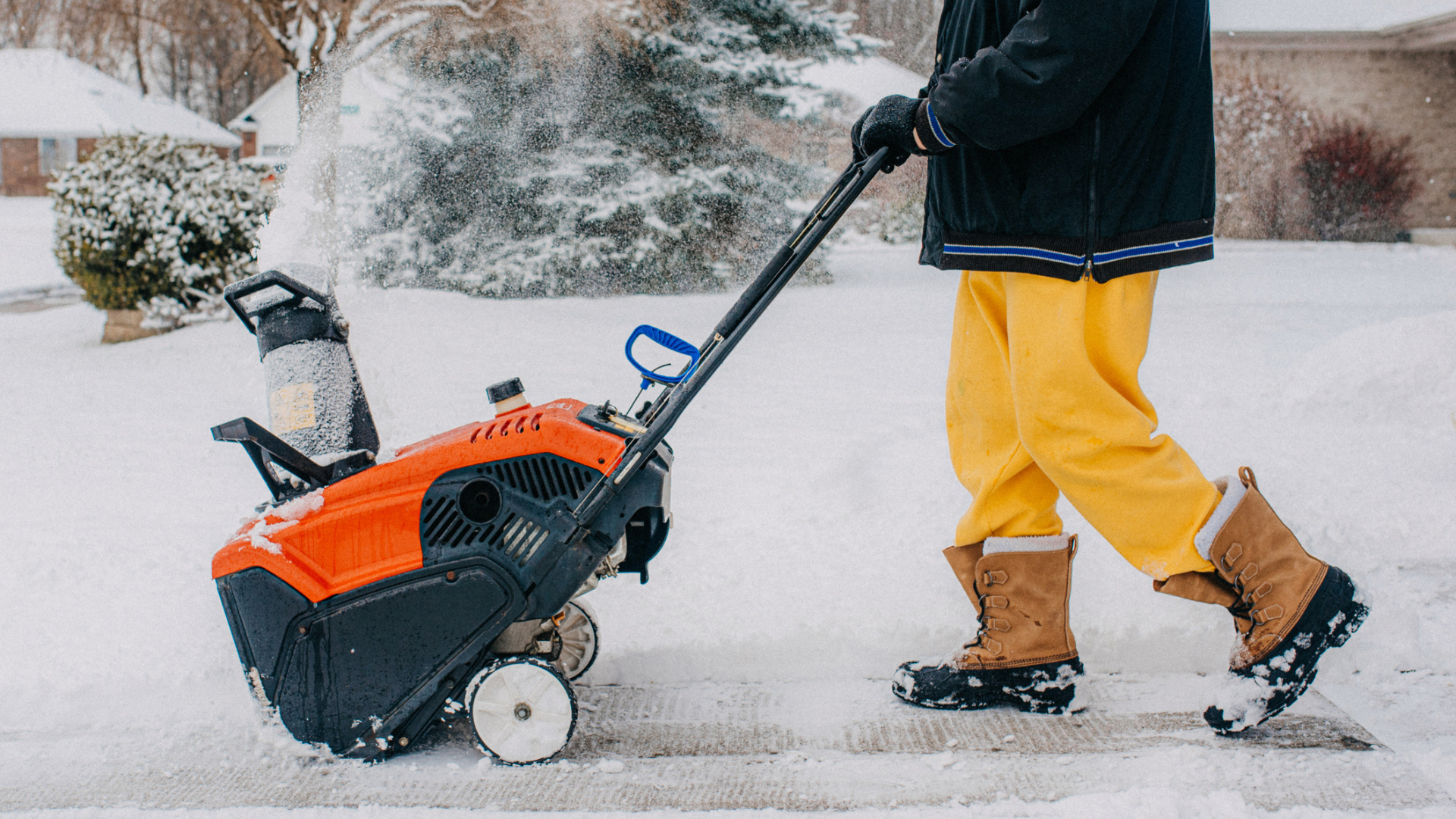
A single-stage snowblower uses one rubber-edged auger that scoops the snow and throws it out the chute in a single motion. Because that auger touches the ground, it scrapes the pavement clean and gently pulls the machine forward as it turns. That makes single-stage units light, quick and easy to steer around cars parked in the driveway.
They are at their best on paved driveways and walkways where storms usually leave less than 20 centimetres. A modern Toro single stage gas blower starts easily, folds down for storage and tucks into a corner of the garage without taking over the space. For a typical two-car suburban driveway with a sidewalk out front, it is often all the machine a household needs.
The limits are real, though. Since the auger contacts the surface, a single-stage machine is a poor match for gravel; it will pick up stones and throw them. It also struggles with the dense, icy ridge the city plow leaves at the end of the driveway.
What a two-stage machine adds
A two-stage snowblower splits the work in two. A serrated steel auger breaks up the snow and feeds it into a fast-spinning impeller, which throws it out of the chute. The auger rides slightly above the surface on adjustable skid shoes, so it can work on gravel, and most units are self-propelled with several forward speeds.
The payoff shows up in tough conditions. Heavy, wet March snow, a 30-centimetre dump overnight or a plow ridge that has frozen solid are exactly what a two stage gas snowblower is built for. It also throws snow much farther, which matters when your banks are already shoulder-high by February.
The trade-off is size and weight. Two-stage machines need more storage room and take a little more effort to turn in tight spaces, although the self-propelled drive does most of the work once you are moving.
A quick way to decide
Run through these four questions:
- Is the driveway paved or gravel? Gravel points to two-stage.
- Is it longer than a standard two-car driveway, or on a slope? Two-stage.
- Does the plow leave a heavy ridge you usually end up clearing by hand? Two-stage.
- Is it a short, flat, paved driveway with walkways and the odd deep storm? A single-stage will likely do the job.
If you are split down the middle, think about the worst storm of the last few winters rather than the average one. The machine you buy has to cope with the bad days, not just the light dustings.
Why the brand and the dealer matter
Toro has been building residential snowblowers for decades, and its gas lineup covers both formats: compact single-stage units for city lots and larger two-stage models for long or gravel driveways. Buying through an authorized dealer also gets you proper setup, warranty registration and a service department that knows the equipment. For a machine that sits idle eight months of the year, that support is worth having.
If you want to compare clearing widths and prices side by side, browse the toro gas snowblower range at Current Power, which also includes Honda two-stage units and Toro’s battery models.
Get it ready before you need it
Whatever you choose, buy it before the first storm, not during it. Start it once in the fall so you know it runs. Use fresh fuel, check the scraper bar and skid shoes, and if it is a two-stage machine, keep a couple of spare shear bolts in the garage. At the end of the season, either run the tank dry or add fuel stabilizer before storage. Ten minutes of prep in October beats an hour of shovelling in January.

