
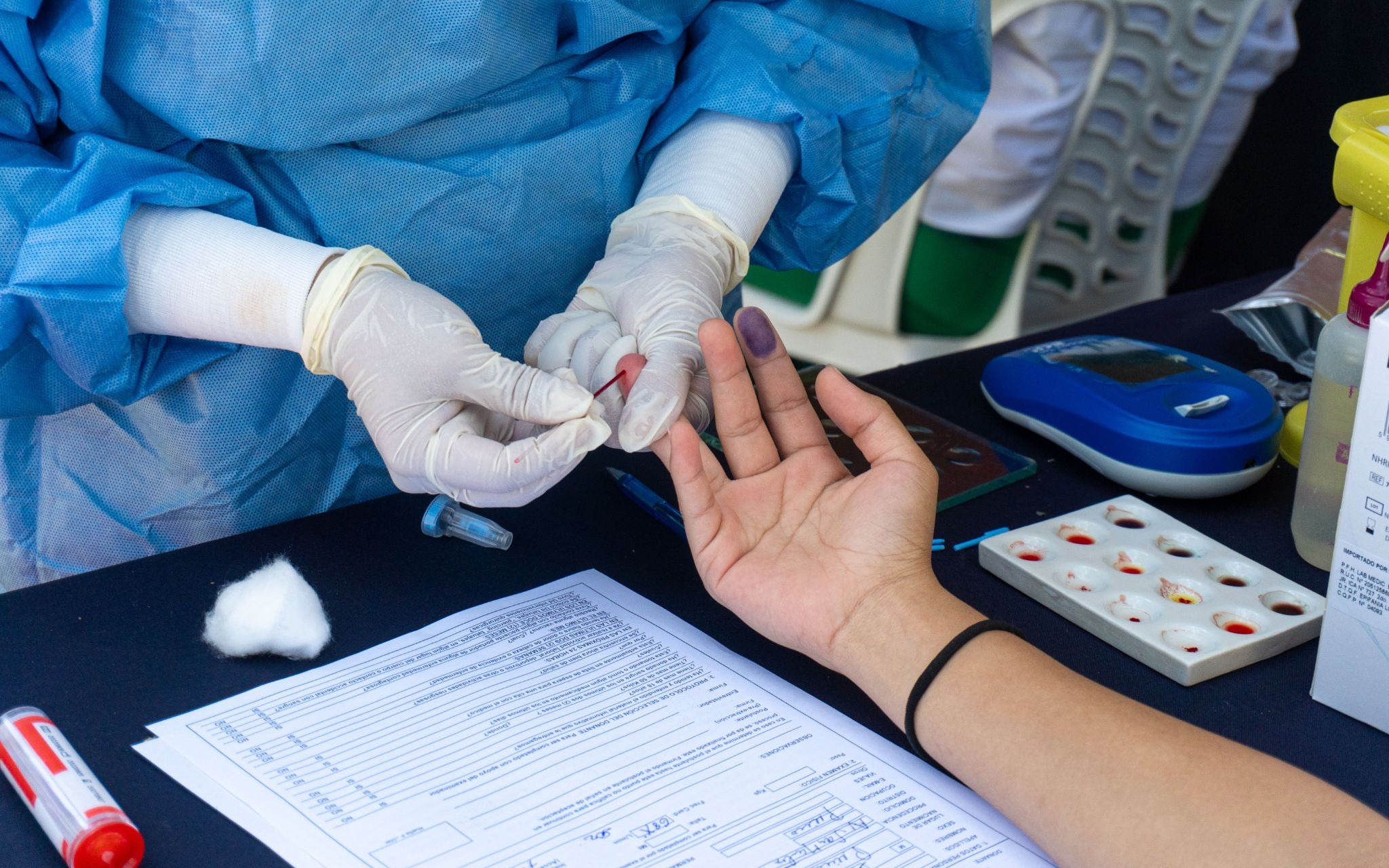
HIV does not always cause symptoms, and when it does, they are easy to mistake for something else. According to HIV.gov, the U.S. government’s HIV information site, many people develop a flu-like illness within 2 to 4 weeks of infection, while others notice nothing at all. That means symptoms cannot confirm HIV, and their absence cannot rule it out. Testing is the only way to know. In Singapore, the practical next step after a possible exposure is to see a doctor at a medical clinic that offers HIV testing, ask which type of test suits the timing, and, if the exposure was very recent, ask about emergency HIV prevention medication, which is time-sensitive. This article explains what early symptoms can look like, why they are unreliable, and when to see a doctor.
What Early HIV Symptoms Can Look Like
The earliest stage of HIV, called acute infection, often feels like a bout of flu. Common signs include fever, fatigue, a sore throat, muscle aches, swollen glands, and sometimes a rash. These symptoms can last from a few days to several weeks and then fade on their own, which is one reason they are easy to dismiss. Many common viral illnesses cause the same symptoms, so symptoms alone cannot show whether HIV is involved.
Why Symptoms Are an Unreliable Guide
Relying on symptoms can mislead in two directions. After the early stage, HIV can cause no symptoms for years, yet the CDC notes that people in this phase can still transmit the virus. Some people never notice an early illness at all. At the same time, flu-like symptoms after a possible exposure do not mean someone has HIV, since many other infections look similar. Neither a symptom checklist nor a lack of symptoms can settle the question.
For that reason, a search for HIV symptoms is best treated as a prompt to get tested rather than a way to self-assess. General information like this cannot tell any individual reader whether they have HIV, and worry about a possible exposure is common and understandable.
When to See a Doctor
A doctor visit makes sense after any possible exposure, whether or not symptoms are present, and especially when flu-like symptoms follow an exposure. Test accuracy depends on the test type and how long it has been since exposure, so a doctor may recommend repeating the test later. For more detail on timing, see a general overview of when to get an HIV test in Singapore.
Timing matters in another way. If the exposure happened within the past few days, ask about post-exposure prophylaxis, often shortened to PEP. According to the CDC, PEP must be started within 72 hours of a possible exposure, and the sooner it starts, the better, so waiting can close that window. More information on HIV PEP is available for readers who want to understand how it works before speaking with a doctor.
What to Tell the Doctor
Doctors treat these conversations as routine, and the more accurate the picture, the better the advice. It helps to mention when the possible exposure happened, any symptoms and when they started, any previous HIV or STD tests, and any medications being taken. You don’t need to prepare a perfect explanation. A short, factual summary is enough for the doctor to decide which tests and follow-up make sense. If a detail feels awkward to say aloud, writing it down beforehand is a perfectly reasonable alternative.
Why Waiting Rarely Helps
Many people put off testing because they hope the worry will pass, or because the idea of the appointment feels uncomfortable. That reaction is common, but for many people, the uncertainty weighs more heavily than the test itself. A test is usually quick, and the conversation around it is routine for a doctor. Getting an answer, whatever it is, clarifies the next step. A negative result is reassuring. If it is positive, care can begin sooner.
Choosing a Doctor or Clinic for Sexual Health Concerns
Searches for an STD doctor in Singapore tend to surface both public and private providers, and either route can work. What matters is that the clinic can cover the whole journey: testing, a doctor consultation to interpret the results, and treatment or referral if something is found. A few things are worth checking. Does a doctor review your results and explain them? Can the clinic describe in plain terms how it handles confidentiality? Are questions welcomed without judgment?
Wonderhealth, a Singapore preventive healthcare clinic, describes its sexual health care as confidential and judgment-free, and lists a 24/7 WhatsApp triage hotline for urgent STD concerns on its site. As with any provider, it is reasonable to ask how these work in practice before booking.
What Happens After Testing
A negative result soon after a possible exposure may not be the last word, so a doctor may suggest a repeat test depending on timing. A positive result needs confirmatory testing before a care plan is set. According to the CDC, people with HIV who take treatment as prescribed and keep an undetectable viral load can live long, healthy lives and will not transmit HIV through sex, which is a large part of why early diagnosis matters.
If testing finds a different infection, many sexually transmitted infections are treatable. The right STD treatment depends on the specific infection and is set by a doctor, so individual guidance matters more than any general summary. Partners may also need to be informed and tested for some infections, and a doctor can explain how that is usually handled.
Taking the Next Step
Worry about a possible HIV exposure is common, and getting tested is a practical way to replace uncertainty with information. For readers ready to talk through timing and test options, a consultation for HIV testing is a sensible starting point, and a doctor can advise on anything specific to your situation.

