
Every mountain biker eventually hits the same wall: a bike that feels great on paper but struggles the moment the trail turns loose, rocky, or wet. More often than not, the culprit isn’t the frame or the suspension setup, it’s the rubber connecting the rider to the ground. Tires absorb impact, transmit power, and determine how confidently a rider can lean into a corner or brake before a root section. Yet they’re frequently the last thing riders think about when troubleshooting a rough ride. Understanding what actually separates a good mountain bike tire from a mediocre one can change how a trail feels entirely, turning hesitant descents into flowing lines and sketchy climbs into controlled efforts. This guide breaks down the real factors that matter, from tread design to volume, so riders can stop guessing and start choosing tires that match how and where they actually ride.
Why Tire Choice Matters More Than You Think
Suspension gets most of the attention when riders talk about comfort and control, but tires do a surprising amount of the same job. A properly chosen mountain bike tire flexes into terrain, maintains contact through uneven surfaces, and keeps the bike tracking predictably even when the ground doesn’t cooperate. Riders who upgrade tires before touching anything else on their bike often notice the biggest jump in confidence, particularly on descents where traction determines whether a line holds or slides out. The relationship between tire and trail is constant and unforgiving, which is exactly why getting this one component right pays off across every other part of the ride.
Beyond grip, tire choice also affects rolling resistance and how much energy a rider burns just moving forward. A tire that’s too aggressive for smoother trails can feel sluggish and tiring, while one that’s too light for rocky terrain risks pinch flats and poor cornering support. Matching the tire to the actual conditions, rather than choosing based on looks or trends, is the foundation of a setup that performs consistently.
Tread Patterns and Their Role on the Trail
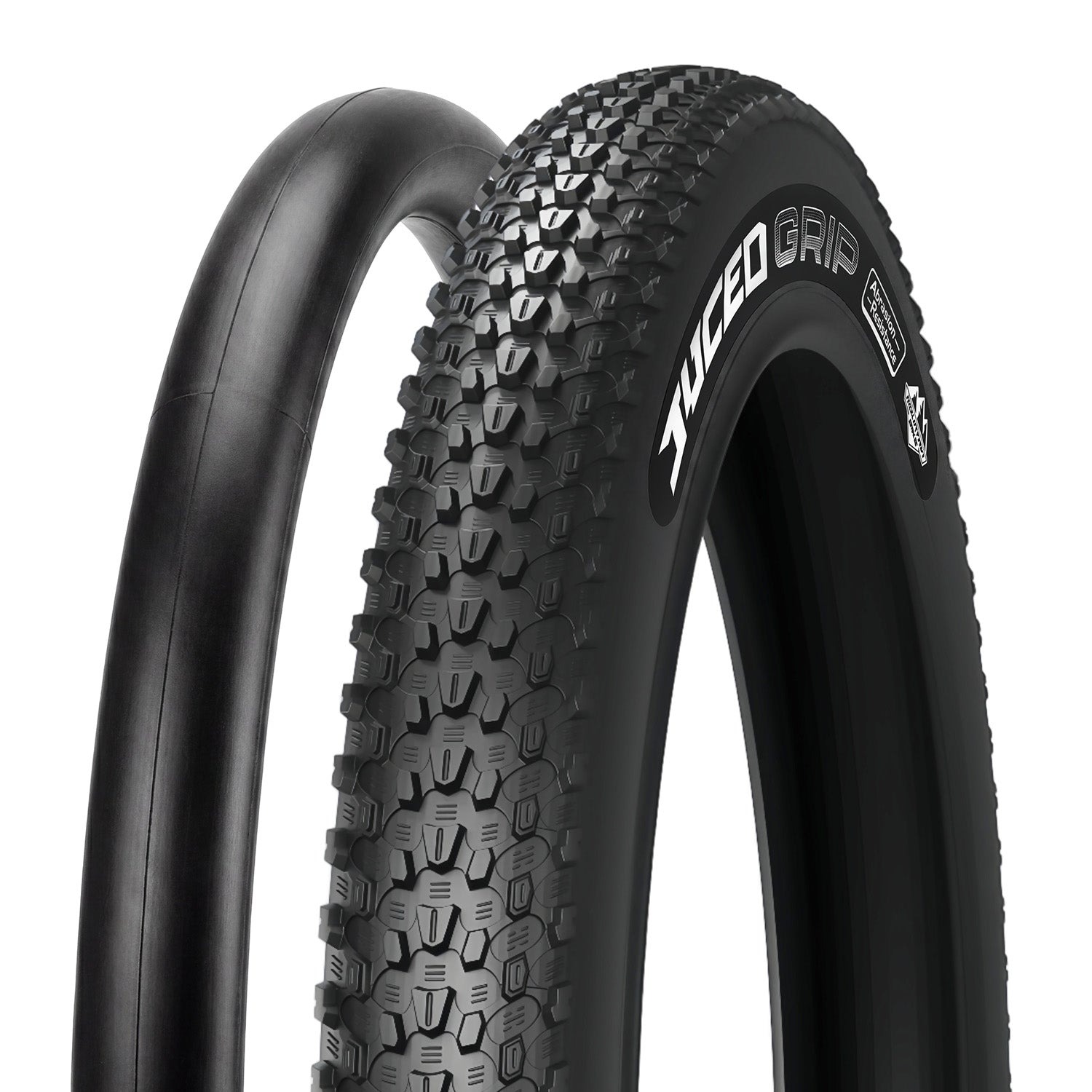
Tread design is the most visible difference between tires, and it’s also the most functional. Knobs positioned close together and low in profile reduce rolling resistance and work well on hardpack or dry, groomed trails. Taller, more widely spaced knobs bite into softer ground, mud, and loose rock, giving riders the bite they need when surfaces get unpredictable. The shoulder knobs matter just as much as the center tread, since they’re what engage when a bike leans into a turn.
Aggressive vs. Semi-Slick Treads
Aggressive tread patterns shine in wet, muddy, or technical terrain where traction is inconsistent and every inch of grip counts. Semi-slick designs, with a smoother center strip and knobbier edges, are better suited to riders who spend most of their time on dry, flowing trails and want less drag while still keeping cornering grip intact. Neither option is universally better, the right choice depends entirely on the terrain a rider faces most often.
Tire Width and Volume for Control
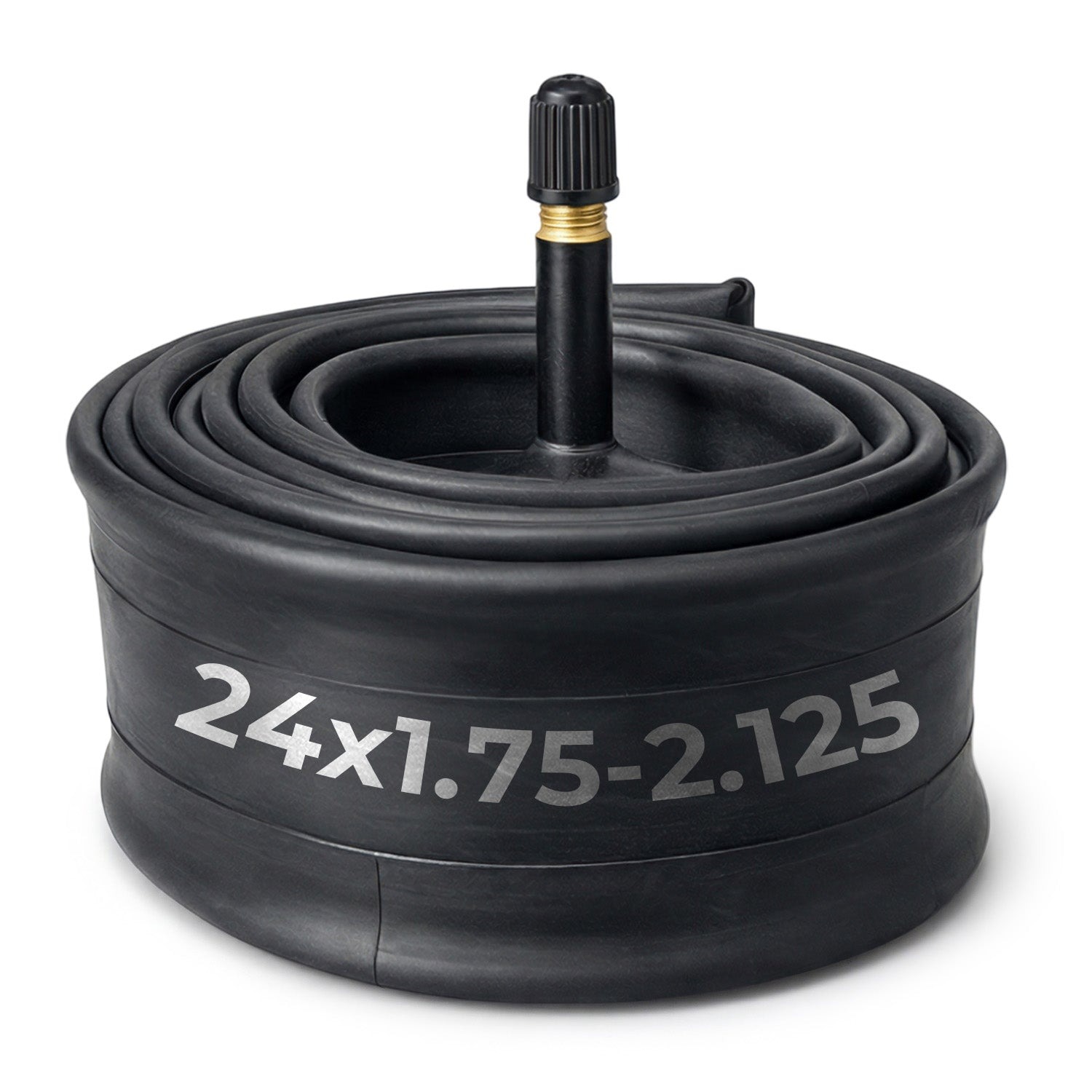
Width and air volume shape how a tire absorbs impact and how much surface area contacts the ground. Wider tires generally offer more stability and a larger contact patch, which helps on loose or rocky trails where traction is inconsistent. Narrower tires roll faster and feel more nimble but can sacrifice some cushioning over rough sections. Volume plays a similar role, with higher-volume tires acting almost like an extra layer of suspension by absorbing small bumps before they reach the rider’s hands and feet.
Getting this balance right often takes some experimentation, since rim width, frame clearance, and riding style all influence what feels best. Riders who frequently hit rock gardens or root-heavy sections tend to prefer higher volume for the added forgiveness, while those focused on speed and efficiency lean toward a leaner profile.
Matching Tires to Terrain and Riding Style
The most reliable way to choose a tire is to be honest about where most rides actually happen. A rider who spends weekends on flowy, dry singletrack has very different needs than someone tackling wet, rooty trails or steep, rocky descents. Brands like Juceo design tire lineups specifically to address these differences, offering options that lean into grip, rolling efficiency, or durability depending on what a rider prioritizes. Thinking about riding style, not just trail type, also matters, aggressive riders who push hard into corners need different support than those riding at a more relaxed pace.
Seasonal changes are worth factoring in too. A tire that performs beautifully in summer’s dry, dusty conditions might feel underwhelming once autumn rain turns the same trail soft and slick. Riders who swap tires with the seasons, rather than relying on a single all-purpose option, typically notice more consistent performance year-round.
Finding Your Ideal Trail Companion
Choosing the right mountain bike tire isn’t about chasing the most aggressive-looking tread or the lightest option on the shelf. It’s about understanding the terrain that gets ridden most, the conditions that show up throughout the year, and the kind of control a rider wants underneath them. Tread pattern, width, volume, and riding style all work together, and getting even one of these factors wrong can leave a bike feeling off no matter how good the rest of the build is. Riders who take the time to match their tires thoughtfully to their trails tend to ride with more confidence, brake later into corners, and spend less time second-guessing traction on technical sections. The result is a ride that feels connected to the ground rather than fighting against it, which is ultimately what every trail day should feel like.

