
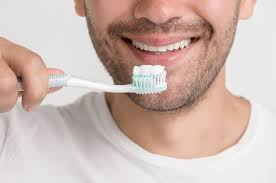
Oral health is a cornerstone of overall well-being, yet it is often overlooked until problems arise. From preventing cavities to avoiding gum disease, understanding proper dental care is essential for everyone. A consistent oral care routine not only preserves your smile but also reduces the risk of serious health complications linked to poor dental hygiene.For expert dental care guidance and professional services, you can explore https://caseydental.com.
The Importance of Oral Health
Maintaining healthy teeth and gums goes beyond aesthetics. Poor oral hygiene has been linked to a variety of systemic conditions, including cardiovascular disease, diabetes, and respiratory infections. Oral health influences:
- Confidence and self-esteem
- Proper nutrition and digestion
- Speech clarity and comfort
- Prevention of chronic infections
Recognizing the connection between oral and overall health emphasizes why regular dental care and preventive measures are crucial.
Daily Oral Hygiene Practices
Establishing a consistent oral care routine is the foundation of dental health. Key practices include:
Brushing Techniques
- Brush at least twice daily using a soft-bristled toothbrush.
- Use fluoride toothpaste to strengthen enamel and prevent decay.
- Ensure brushing covers all tooth surfaces, including the back molars and gumline.
- Replace your toothbrush every three to four months or when bristles are frayed.
Flossing and Interdental Care
- Floss daily to remove plaque and food particles between teeth.
- Consider interdental brushes or water flossers for more thorough cleaning.
- Floss gently to avoid damaging the gums.
Mouth Rinses
- Antiseptic or fluoride mouth rinses help reduce bacteria and strengthen enamel.
- Avoid alcohol-based rinses if you experience dryness or irritation.
Tongue Cleaning
- Use a tongue scraper or brush the tongue to remove bacteria and reduce bad breath.
- This simple step enhances overall oral hygiene and freshness.
Nutrition and Oral Health
What you eat significantly affects your dental health. Balanced nutrition helps maintain strong teeth and healthy gums.
- Limit sugary foods and drinks, as they contribute to cavities.
- Include calcium-rich foods like dairy, leafy greens, and almonds for strong teeth.
- Consume foods high in vitamin C to support gum health.
- Stay hydrated to maintain saliva production, which naturally protects teeth from decay.
Healthy dietary habits combined with proper oral care create a strong defense against dental problems.
Regular Dental Check-Ups
Professional dental visits are critical for maintaining oral health. Dentists provide services that go beyond what can be done at home.
- Routine cleanings remove plaque and tartar buildup.
- Early detection of cavities, gum disease, or oral cancer prevents serious complications.
- Personalized guidance on brushing, flossing, and diet improves long-term outcomes.
Adults should aim for dental check-ups at least twice a year, while children may require more frequent visits to monitor development.
Common Dental Issues and Prevention
Understanding common dental problems can help in early recognition and prevention. Some prevalent issues include:
Tooth Decay
- Caused by plaque buildup and sugary foods.
- Prevent with daily brushing, flossing, and regular fluoride use.
Gum Disease (Gingivitis and Periodontitis)
- Early-stage gingivitis is reversible with proper care.
- Advanced periodontitis can lead to tooth loss and requires professional treatment.
- Risk factors include smoking, poor oral hygiene, and certain medical conditions.
Tooth Sensitivity
- Often results from enamel erosion or gum recession.
- Use toothpaste for sensitive teeth and avoid extremely acidic foods.
Bad Breath (Halitosis)
- Caused by bacteria accumulation, poor oral hygiene, or underlying health issues.
- Maintain consistent brushing, flossing, and tongue cleaning routines.
Lifestyle Habits for Long-Term Dental Health
Maintaining oral health is a continuous process influenced by daily habits.
- Avoid Tobacco: Smoking increases the risk of gum disease, tooth decay, and oral cancer.
- Moderate Alcohol Consumption: Excessive alcohol can dry the mouth and weaken enamel.
- Protect Teeth During Sports: Use mouthguards to prevent trauma or fractures.
- Manage Stress: Stress may contribute to teeth grinding (bruxism), leading to enamel wear and jaw pain.
Incorporating these habits into daily life supports overall oral health and longevity.
Advanced Preventive Measures
For individuals at higher risk of dental issues, advanced preventive measures can be valuable:
- Dental Sealants: Thin coatings applied to molars protect against decay.
- Fluoride Treatments: Strengthen enamel and prevent cavities.
- Custom Night Guards: Prevent teeth grinding during sleep.
- Regular Oral Cancer Screenings: Particularly for individuals with risk factors like smoking or alcohol use.
Professional guidance ensures these interventions are applied appropriately for maximum benefit.
Conclusion
Prioritizing oral health through proper daily routines, balanced nutrition, regular dental visits, and mindful lifestyle choices ensures a lifetime of healthy smiles. Prevention and early intervention remain the most effective strategies for avoiding dental complications.For specialized dental care, treatment options, and professional guidance, visit https://caseydental.com.
FAQs
1. How often should I visit the dentist?
Adults should have dental check-ups at least twice a year. Children may require more frequent visits. Regular appointments help detect problems early and maintain optimal oral health.
2. Can diet really impact my dental health?
Yes. Foods high in sugar can cause cavities, while calcium and vitamin-rich foods strengthen teeth and support gums. Staying hydrated also helps maintain saliva, which naturally protects teeth.
3. Are dental sealants necessary for adults?
Sealants are primarily recommended for children to prevent decay on molars. However, adults with deep grooves or high cavity risk may benefit from professional evaluation and sealant application.
4. How can I prevent gum disease?
Maintaining proper oral hygiene, including brushing, flossing, and regular dental visits, is essential. Avoid smoking, eat a balanced diet, and consult your dentist for preventive measures if needed.
5. What is the best way to treat sensitive teeth?
Use toothpaste formulated for sensitive teeth, avoid extremely acidic foods, and maintain proper oral care. If sensitivity persists, consult a dentist to rule out underlying issues like enamel erosion or gum recession.

